Tag: Ayatollah Khamenei

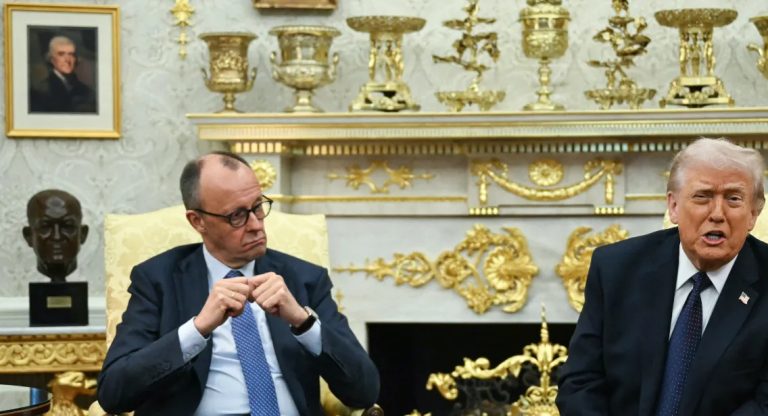
German politician Friedrich Merz and Donald Trump sitting in an ornate room during a meeting.

Europe’s Iran Dilemma: Opposing the War While Sanctioning Tehran

Europe opposes the U.S.–Israeli war on Iran while simultaneously sanctioning Tehran for domestic repression, revealing a split between its principles and its power. Disunited governments, limited leverage, and damaged credibility leave the EU unable to shape the conflict or support Iranian reformers — turning its “third way” into an aspiration without influence.

Read More »

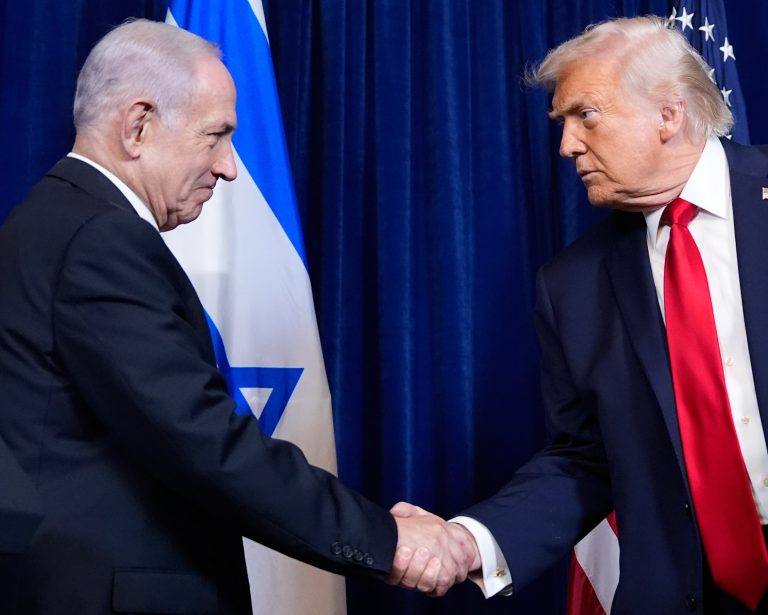
America and Israel Are at War Together, but Not the Same War

The U.S. and Israel are fighting the same war with different goals: Washington wants a quick, contained operation, while Netanyahu seeks regime collapse and a strategic reset. Conflicting timelines, clashing objectives, and diverging public opinion leave neither side in control of the endgame — a recipe for a war that drifts far beyond its opening strike.

Read More »
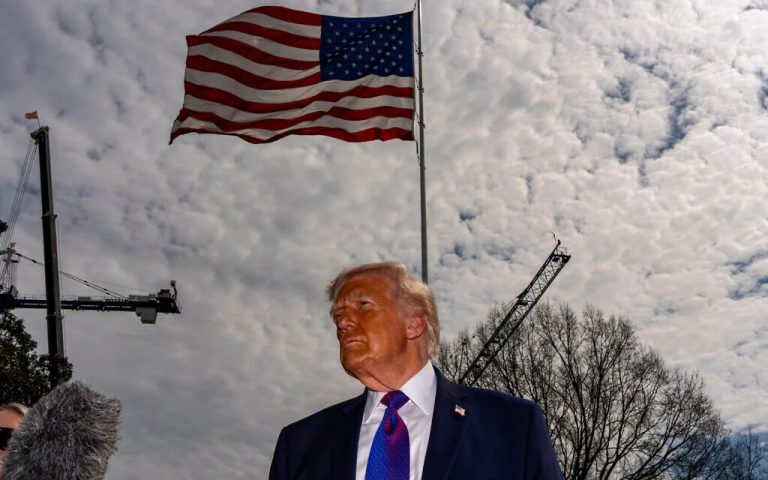
Donald Trump standing under a large waving American flag with construction cranes in the background.

A War Without an Endgame and Americans Know It

Public support for Trump’s Iran war is eroding as the administration cycles through shifting justifications with no defined endgame. Polls show most Americans doubt Iran posed an imminent threat, oppose escalation, and don’t trust Trump’s judgment. With objectives unclear and munitions draining, the conflict risks drifting without a political destination.

Read More »
Shattered glass entrance of a government building with broken windows and debris on the floor.

Russian Consulate Damaged in Isfahan as War Tests Moscow’s Balancing Act

A U.S.–Israeli strike on Isfahan damaged Russia’s consulate, underscoring Moscow’s precarious dual role as Iran’s diplomatic shield and quiet military enabler. Russia is sharing satellite intelligence that sharpens Iran’s targeting while publicly posing as mediator. With Hormuz shut and oil prices soaring, the war is delivering Moscow a strategic windfall it won’t jeopardize.

Read More »
Ali Khamenei pinning a medal onto the chest of Amir Ali Hajizadeh's military uniform, while Mohammad Bagheri and Abdolrahim Mousavi watch from the background.

Iran’s ‘Mosaic Defense’: The Doctrine Built to Outlast Decapitation

Iran’s “mosaic defense” is built for decapitation: 31 autonomous IRGC units, layered successors, and dispersed stockpiles keep the system fighting despite leadership losses. As Mojtaba Khamenei takes power, fragmented command creates both resilience and volatility — from rogue strikes to Hormuz disruption — turning time, terrain, and cost asymmetry into Iran’s core weapons.

Read More »
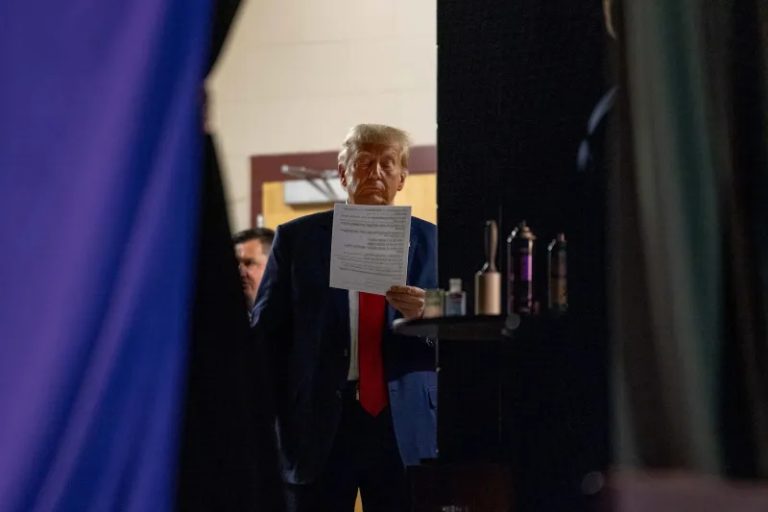
Candid behind-the-scenes shot of Donald Trump reading a document backstage.

Washington May Be Speaking the Wrong Language With Tehran

Khamenei’s invocation of Karbala signals a shift from deterrence to existential defiance, undermining Washington’s assumption that limited strikes can coerce Iran. Tehran’s doctrine favors horizontal escalation, hardened nuclear sites, and regional proxies. With succession fears rising, even a “surgical” U.S. attack risks unifying Iran’s system and triggering unpredictable retaliation.

Read More »
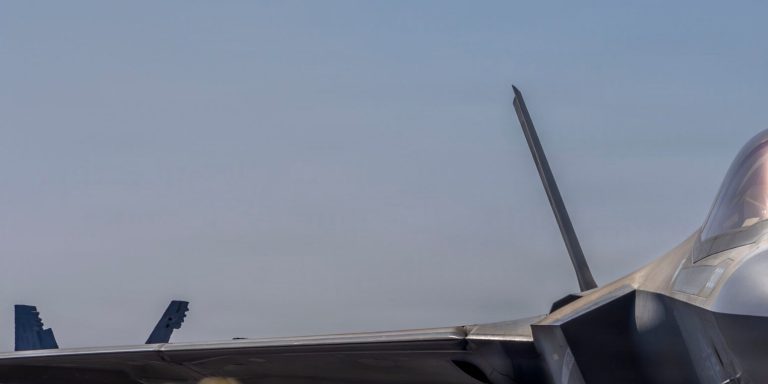
Close-up of an F-35 stealth fighter jet wing and tail against a clear sky.

Why a Nuclear-Only Iran Deal Is the Smart Play

A nuclear‑only agreement is the most achievable path in the current U.S.–Iran standoff. Iran’s damaged enrichment sites and willingness to accept strict IAEA oversight create rare diplomatic space, while demands on missiles and proxies are non‑starters. Limiting talks to the nuclear file avoids war and secures verifiable constraints.

Read More »
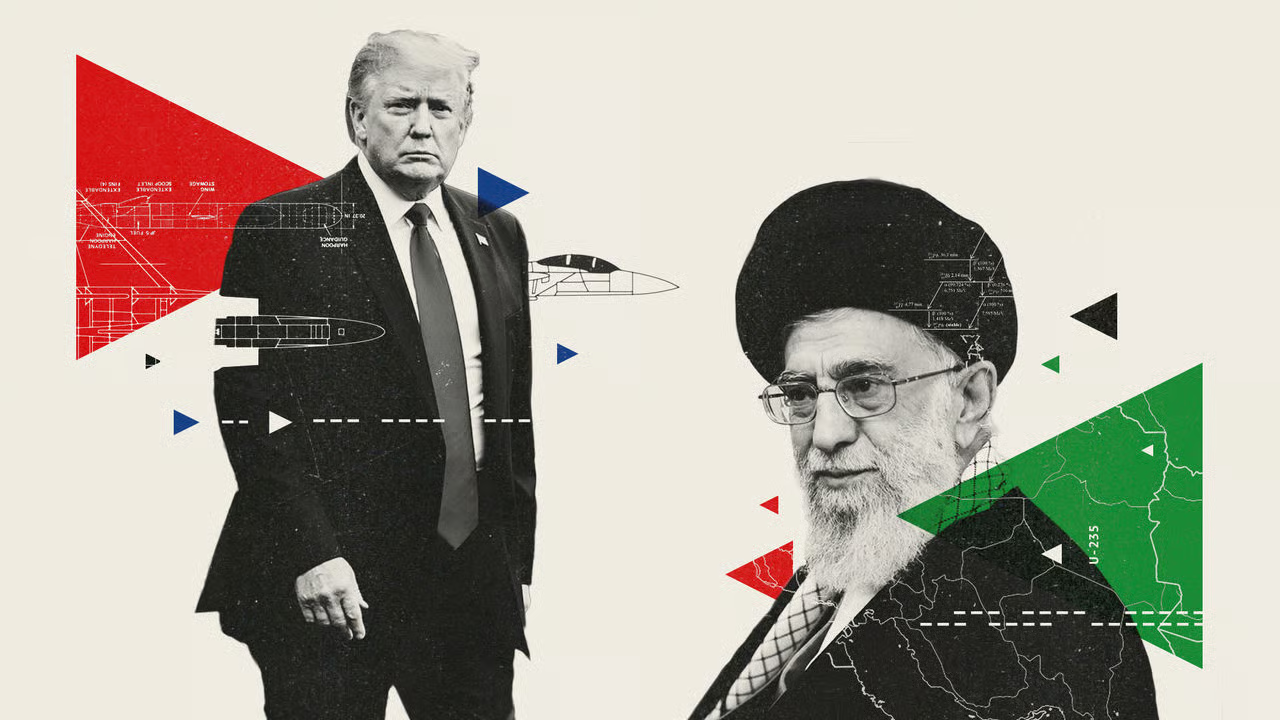
Conceptual collage of Donald Trump and Ayatollah Ali Khamenei with military schematics and geometric overlays.

Iran and the US: War Drums or a Last-Minute Deal?

A massive U.S. buildup and Trump’s ultimatum have pushed Washington and Tehran toward a decisive moment. Iran’s weakened economy and protests limit its options, while threats to close the Strait of Hormuz raise global stakes. A narrow deal allowing token enrichment remains possible, but failure could trigger U.S. strikes with unpredictable escalation.

Read More »
Iranian flag waving on a flagpole in front of a modern curved glass building.

Iran Crisis: What Seven Experts Think Could Happen Next

A massive U.S. buildup and stalled diplomacy have created the most volatile U.S.–Iran standoff in decades. Experts disagree whether Trump’s pressure will force a deal or trigger escalation. Iran’s weakened regime, internal unrest, and unpredictable IRGC commanders heighten risks. With both sides misreading each other, even a “limited strike” could spiral fast.

Read More »
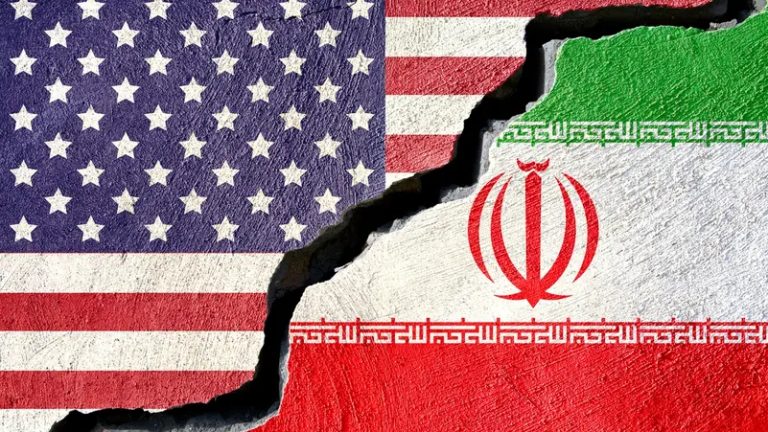
American and Iranian flags painted on a cracked concrete wall representing fractured diplomatic relations.

US-Iran Nuclear Talks Walk a Razor’s Edge

US–Iran talks resume in Geneva as both sides escalate militarily. Washington’s deadline and massive buildup collide with Tehran’s threats to close the Strait of Hormuz. The core dispute remains enrichment. If Iran offers verifiable limits and expanded IAEA oversight, a deal is possible; if not, Trump is weighing military options.

Read More »
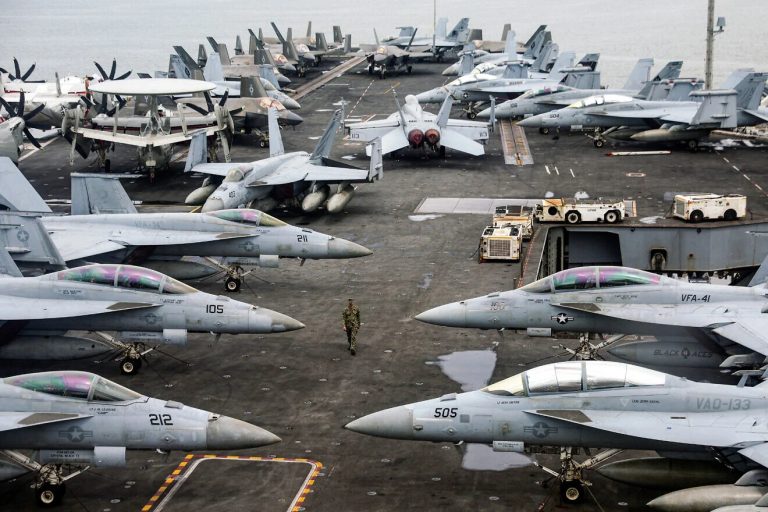
U.S. Navy fighter jets, including F/A-18 Super Hornets and E-2 Hawkeyes, crowded on the flight deck of an aircraft carrier.

US vs. Iran: Three Strike Options as Diplomacy Stalls

A massive U.S. buildup has positioned two carrier groups and stealth bombers for strikes on Iran. Washington is weighing three options: regime‑targeted attacks, strikes on nuclear sites, or an economic‑military squeeze. Tehran signals it will retaliate through missiles and its regional proxy network. With diplomacy stalled, the risk of rapid escalation is rising.

Read More »