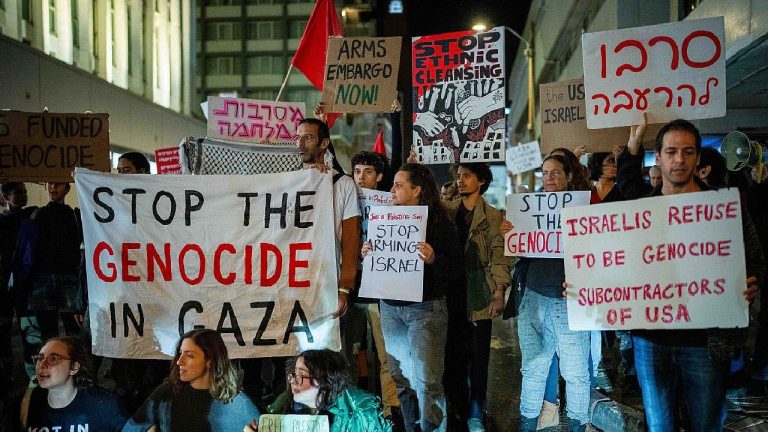
The year 2025 proved extraordinarily difficult for Palestinians across territories. The Gaza conflict extended beyond its second year, while settlement expansion and settler violence intensified in the occupied West Bank. Despite global protests involving millions, Israel continued expanding military operations amid near-total absence of domestic political discourse questioning state policy, except for narrow hostage-related concerns.
Even opposition forces—whose rhetoric frequently matches coalition government’s intensity—provided no alternative narrative for Palestinians. Following October’s ceasefire implementation and hostages’ return, Israeli public and political discourse rapidly abandoned Gaza. Instead, society pivoted inward, constructing newly negotiated social contracts regarding state identity and institutional operations.
Structural Transformation of Palestinian Status
Understanding Palestinian citizens of Israel’s situation requires this contextual framework. From genocide’s outset, government and society collaborated in monitoring, suppressing, and silencing any Palestinian citizen attempts at speaking or organizing. Draconian measures were deployed: students suspended for public statements, employees dismissed from workplaces, media and cultural figures arrested or publicly shamed—all aimed at intimidating and paralyzing the population.
By 2025, these actions were no longer perceived merely as persecution, but rather as structural status transformation. While Palestinians once occupied marginal political spaces permitting dissenting positions, the conflict triggered complete collapse of that limited domain—a reaction to Israel’s perceived loss of assumed military dominance. This represents not temporary adjustment, but something broader transcending Israeli major sectors.
Opposition Advocates Voting Restrictions
A striking example originates not from ruling coalition but from Israeli opposition. In October, opposition leader Yair Lapid advocated voting rights restrictions, declaring those not serving in army should be denied votes—a statement made with full knowledge Palestinian citizens aren’t drafted. This creates frameworks where basic rights become conditional on participation in Israel’s military efforts.
While the proposal emerged from political struggle between secular and Haredi parties, it reflects broader Israeli desire sustaining and expanding wars—requiring either drafting both Haredim and Arabs to military or national service, or stripping non-participants of rights and resources. Simultaneously, Israeli society voiced resentment: “Why aren’t Palestinian citizens paying war’s price as well?”
Meanwhile, as the world watches Gaza events with horror, government expanded political suppression and state-sanctioned demolition policies. Across Negev region in southern Israel, approximately 11,000 structures faced demolition over two years, including 2,500 residential homes, displacing thousands.
Budget Cuts and Record Violence
Severe budget cuts simultaneously targeted Palestinians in Israel. According to the Mossawa Center, 2025 state budget included cuts exceeding two billion shekels ($626m) in funding for programs and services in Arab communities. Such funding remains desperately needed, particularly as 2025 was the deadliest year on record for Palestinian citizens of Israel: a total of 252 Arab citizens were killed in violence and crime incidents, a rate disproportionately higher than recorded deaths of Jewish Israelis.
Israeli police, led by National Security Minister Itamar Ben Gvir, not only failed curbing this violence, but utilized only half the five-year budget allocated to tackle it. These events follow larger structural trends, wherein state institutions have weakened to the point where police appear increasingly inclined responding to far-right social media channel pressure, rather than acting as public law enforcement body.
Under this new model, right-wing groups monitor Palestinian digital and political activity, translate Arabic posts into Hebrew, and circulate them among far-right channels; police then interrogate, intimidate or arrest. The murder rate in Palestinian communities more than doubled, from 109 cases in 2022 to 233 in 2023, with consistent monthly climbs.
Unity Demands Amid Legislative Threats
The upcoming year brings legislative elections in Israel. For Palestinian citizens, the most urgent demand is unity among Arab political parties—not from belief Israel’s political system can be “fixed,” but because they understand how dangerous the political climate has become, amid unprecedented legislation wave targeting Palestinians, alongside open “population transfer” discussions, with polls showing most Jewish Israelis support expelling Palestinians from the country.
Adalah founder Hassan Jabareen once described foundational imagery from early years after Nakba: Palestinians arriving at polling stations waving white flags, not from democratic conviction, but from fear. Rumor suggested those not voting would face expulsion. At that time, Palestinians lived under military rule. Today’s discourse around elections shapes itself by similar fears: unity’s goal is pursued not from optimism, but as survival strategy facing existential threat.
Political Fragmentation and International Isolation
Palestinian politics nonetheless faces deep internal divisions. Despite genocide and widespread incitement against Palestinians, United Arab List leader Mansour Abbas rejects unity and instead advocates integration within Israeli state, fighting for place in country’s next government. Other Arab parties representing national-democratic current argue Gaza genocide is not temporary episode, pointing to dangers of structural shifts within Israel, including expansionism, weakened institutions, and unprecedented racism.
Despite expectations that past two years’ events would prompt reassessment of political participation in Israeli elections, prevailing sentiment is that Palestinians in Israel are left alone. Palestine Liberation Organisation continues disregarding their existence; Arab states view them merely as leverage influencing electoral outcomes; and western world supports “Jewish state” idea in ways reinforcing Jewish supremacy, even within Israeli citizenship framework.
Grassroots Hope for 2026
As 2025 closes, understanding Palestinian citizens of Israel’s situation in isolation from Palestinian people and national movement as whole becomes impossible. Leadership remains fragmented, Israel expands, and political institutions remain weak and outdated. B’Tselem and other human rights organizations have documented how Israeli authorities commit crimes against humanity of apartheid and persecution through systematic repression of Palestinians.
Still, despite repression and discrimination, 2025 also witnessed beginnings of grassroots organizers adopting clear national voice, holding tightly to truth and to Palestinian people. Although challenges remain immense, such initiatives provide hope—and possibility of new political horizon in 2026.
Original analysis by Abed Abou Shhadeh from Middle East Eye. Republished with additional research and verification by ThinkTanksMonitor.