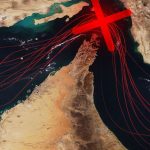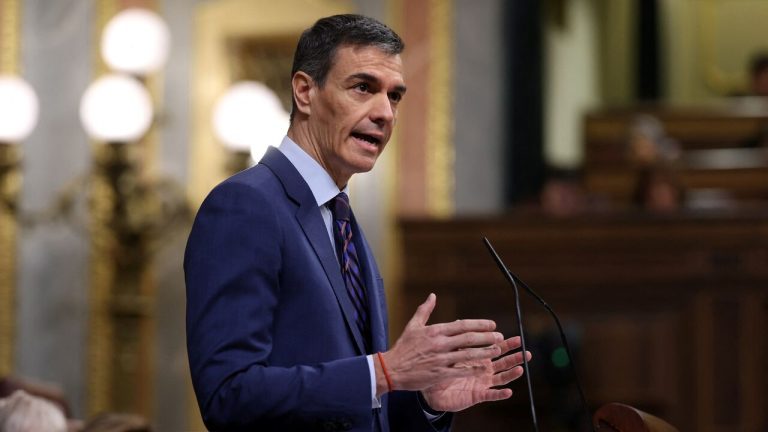
The ongoing military campaign launched by Washington and Tel Aviv against Tehran has exposed deep fractures within western alliances. Prime Minister Pedro Sanchez has positioned his administration as the primary European opponent to the offensive, openly rejecting participation in the escalating hostilities. By officially labeling the intervention as a violation of international law, the Spanish leadership has broken away from traditional diplomatic alignment with American foreign policy. This firm stance complicates transatlantic military coordination at a highly volatile moment.
Refusals to cooperate extend far beyond political rhetoric. Defense authorities in Madrid recently suspended American access to critical installations, specifically halting operations at facilities governed by bilateral defense treaties. American strike aircraft can no longer utilize the Rota and Moron bases for refueling or staging, nor can they cross Spanish airspace to reach the Middle East. As a result, the Pentagon faces severe logistical hurdles, forcing transport squadrons to navigate longer routes that consume excessive fuel. This operational blockade physically hinders the rapid deployment of western military assets toward the Iranian theater.
Deep-rooted historical trauma heavily influences this non-interventionist approach. Lawmakers remember the devastating consequences of participating in previous Middle Eastern interventions, particularly the fallout from the 2003 Iraq invasion. The resulting domestic terror attacks in 2004 left a permanent scar on the national psyche, making any association with unilateral preemptive strikes highly toxic among voters. For the current minority government, blocking involvement in the Iranian theater serves as a crucial mechanism to consolidate support among progressive factions. Attempting to assist Donald Trump’s military operations would almost certainly trigger a parliamentary collapse.
Economic Shields and Geographic Realities
Financial realities grant the government significant room to maneuver during this diplomatic rift. Unlike its northern neighbors, the Iberian nation possesses minimal exposure to retaliatory trade tariffs from Washington. Because bilateral trade volumes remain relatively low, officials can confidently rely on the protection of Europe’s massive single market to absorb any potential economic shocks. Authorities have also deployed emergency capital and released vast quantities from strategic petroleum reserves to stabilize local energy prices. These preemptive financial measures insulate the civilian population from the immediate economic fallout of the Middle Eastern crisis.
Geography dictates a highly cautious approach to regional instability across the Mediterranean. Southern European states inevitably face the direct consequences of conflict-driven refugee displacement originating from the Middle East. A prolonged bombardment of Iranian cities threatens to trigger a massive exodus, overwhelming border control agencies and exhausting municipal resources. By loudly opposing the military campaign, officials hope to distance themselves from the root causes of any upcoming humanitarian emergency. They view diplomatic de-escalation as the only viable strategy for preventing another unmanageable demographic crisis on their southern shores.
Despite actively obstructing offensive operations, the administration has not abandoned its fundamental security obligations. When a recent projectile targeted allied assets in Cyprus, naval commanders immediately dispatched a frigate to reinforce regional defenses. This rapid deployment demonstrates a clear distinction between supporting preemptive strikes and honoring collective defense mandates. The message to the international community remains consistent: participating in mutual protection frameworks does not require blind submission to unilateral war efforts.
Original analysis inspired by Jack Dutton from Al-Monitor. Additional research and verification conducted through multiple sources.