Category: Weekly Highlights

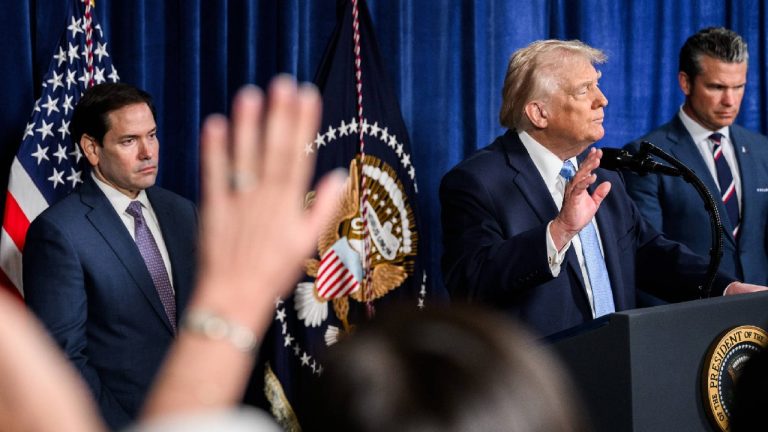
Donald Trump speaking at a podium with two men standing behind him and a hand raised in the foreground.

Hemispheric Realignment and the Reconstitution of Regional Power Dynamics in the Western Hemisphere

In early 2026, the Western Hemisphere is witnessing a seismic shift in geopolitical alignment. Driven by the December 2025 National Security Strategy (NSS) and the implementation of the “Trump Corollary” to the Monroe Doctrine, Washington has re-prioritized the Americas as its primary strategic theater. This realignment focuses on three pillars: the exclusion of non-hemispheric powers (China and Russia), the securitization of migration and trade, and the direct use of “regime change” as a tool of stability.

Read More »
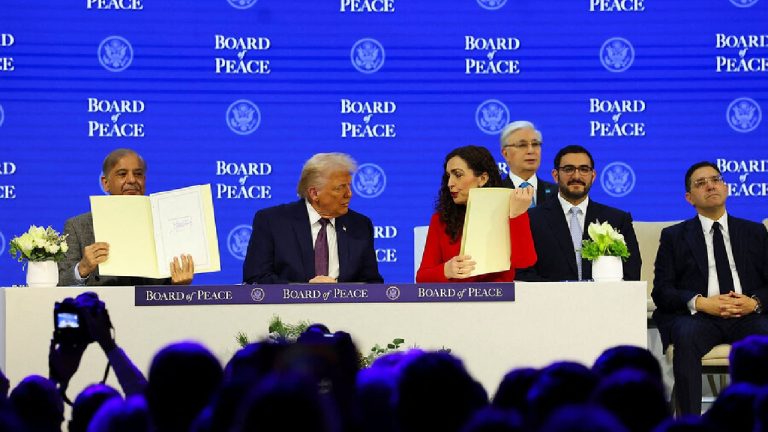
A group of men and one woman sit behind a long white table labeled "BOARD of PEACE" while two men hold up open folders showing documents.

Regional Actors Navigate Post-Conflict Institutional Frameworks While Managing Domestic Advocacy Pressures

This analysis explores how eight major Muslim-majority states are navigating the “Board of Peace,” a post-conflict governance framework for Gaza established in late 2025. It details the strategic shift from external advocacy to “insider” participation, allowing these nations to influence reconstruction contracts, security coordination, and humanitarian oversight while using rhetorical framing to reconcile this involvement with traditional domestic support for Palestinian statehood.

Read More »
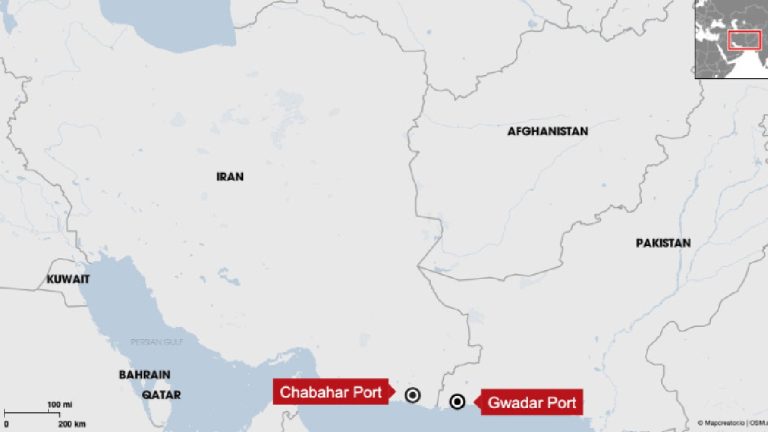
A strategic geographic map of the Middle East and Central Asia highlighting the maritime and land routes connecting Iran's Chabahar Port and Pakistan's Gwadar Port to landlocked nations.

Why Central Asia Prioritizes Iranian Ports Over Pakistan

In January 2026, the trade map of Eurasia reflects a stark reality: despite being hundreds of kilometers closer to the Central Asian Republics (CARs), Pakistan’s ports are frequently bypassed for Iranian alternatives. While geography favors Pakistan, operational reliability and security stability have solidified Iran’s position as the preferred gateway.

Read More »
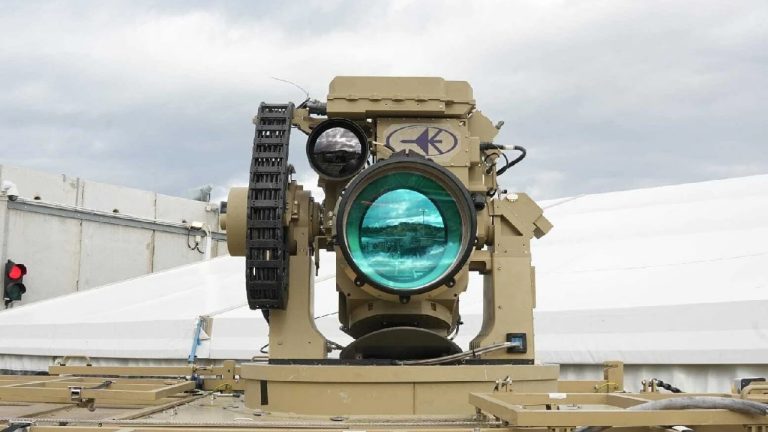
A sophisticated tan-colored laser or optical weapon system mounted on a platform.

Weaponizing AI Supply Chains: Washington’s Pax Silica Initiative Launches New Economic Warfare Front

On December 12, 2025, Washington launched Pax Silica, a strategic US-led initiative designed to secure the “silicon supply chain” and counter China’s dominance in the AI economy. Described by Under Secretary Jacob Helberg as the “G7 of the AI age,” the pact treats computing power and critical minerals as the strategic equivalents of 20th-century oil and steel.

Read More »
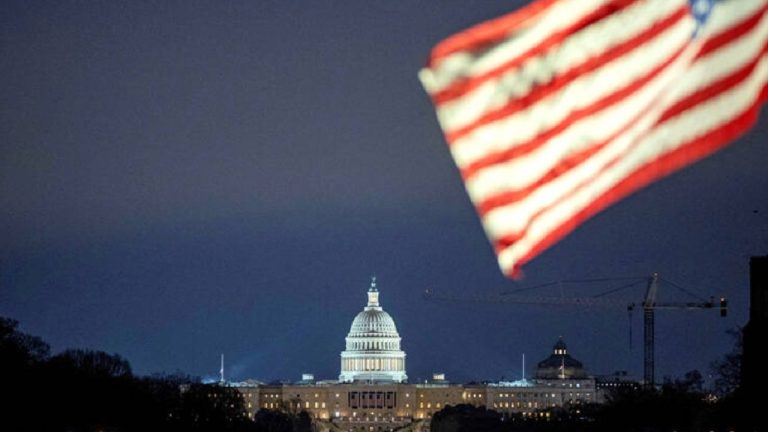
The US Capitol Building illuminated at night with a blurred American flag in the foreground.

Restraint Foreign Policy in 2025: Five Successes and Five Failures

In 2025, the “America First” foreign policy yielded a contradictory scorecard of five successes and five failures. While the administration successfully pivoted toward a more realistic National Security Strategy and engaged in pragmatic diplomacy with Russia, Belarus, and the Houthis, it simultaneously stumbled into escalatory patterns in Iran, Venezuela, and Syria.

Read More »