Category: Politics & Governments

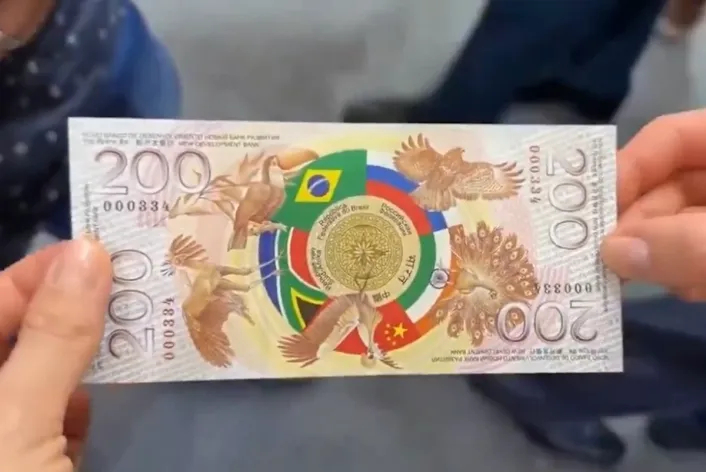
A pair of hands holding a sample banknote featuring the number "200" and a circular design in the center with the flags of Brazil, Russia, India, China, and South Africa, surrounded by illustrations of native animals like a toucan and a peacock.

BRICS and the Quest for a Neutral Global Currency

The global economy is now fully multipolar in production and consumption, yet its financial backbone still runs through a single national currency. That mismatch — a 21st‑century world running on 1944 plumbing — is what BRICS is trying to correct. Not by dethroning the dollar with the renminbi, but by building a neutral clearing system that avoids the trap of replacing one hegemon with another.
Read More »
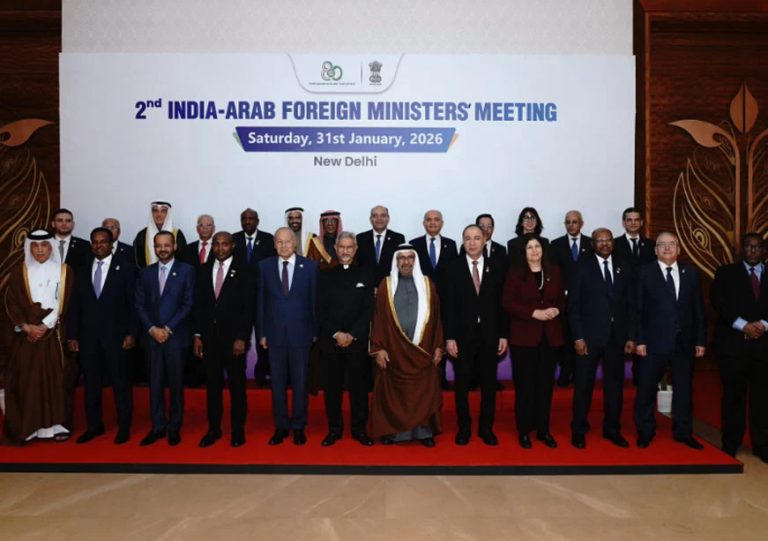
A group of over twenty diplomats and officials in suits and traditional Arab attire standing for a formal group photo on a red carpet in front of a large white banner that reads "2nd INDIA-ARAB FOREIGN MINISTERS' MEETING, Saturday, 31st January, 2026, New Delhi."

India’s Multipolar Gamble With the Arab World

The revival of the India–Arab Foreign Ministers’ Meeting after a decade isn’t just a diplomatic reunion. It’s a sign that both India and the Arab world are trying to position themselves in a world where the Western-led order is cracking from within — and where Washington’s reliability can no longer be assumed.

Read More »
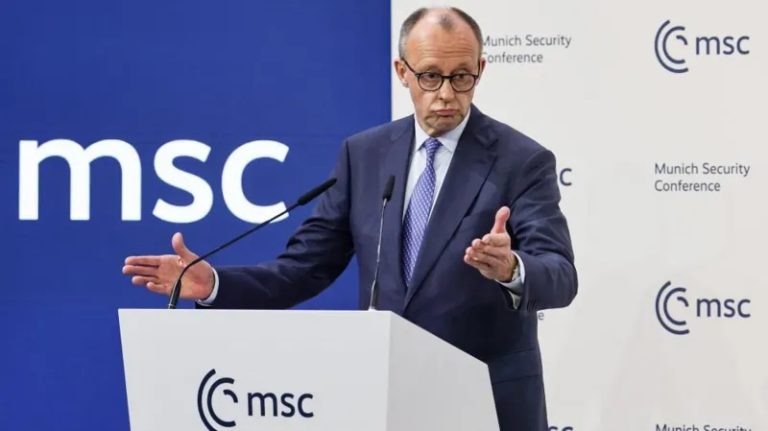
A close-up portrait of Christine Lagarde speaking at a podium, wearing a dark blue suit and a patterned scarf, with a large blue background featuring a yellow "msc" logo and the text "Munich Security Conference."

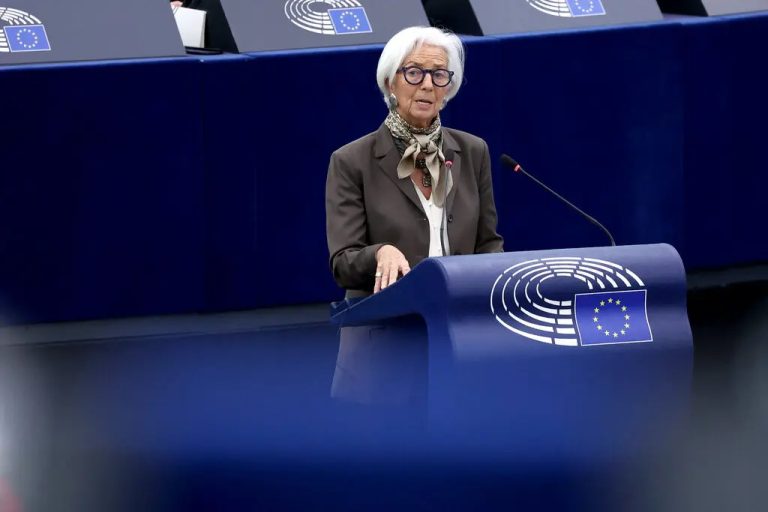
Europe’s Hard Pivot Toward Financial and Digital Sovereignty

For decades, Europe treated American digital infrastructure and financial networks as neutral utilities. That illusion has collapsed. The combination of extraterritorial U.S. laws, sanctions used as administrative weapons, and the growing willingness of Washington to threaten allies has forced European governments to confront a simple truth: dependency equals vulnerability.

Read More »
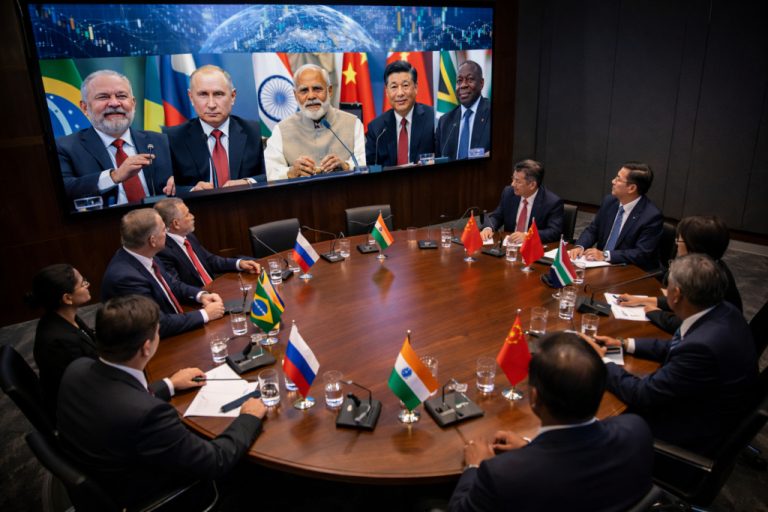
A medium shot of five world leaders standing in a row on a stage, including Vladimir Putin, Narendra Modi, Xi Jinping, and Cyril Ramaphosa, with a large blue and gold "BRICS" logo in the background.

BRICS and the Dollar: Can an Emerging Bloc Reshape Global Finance?

BRICS has evolved from a clever acronym into a geopolitical project large enough to unsettle Washington. Trump’s 2025 tariff threats — and the panic triggered by his Spain “BRICS” gaffe — reveal how seriously the U.S. now treats the bloc. With 20 members and partners, BRICS+ represents a demographic and economic mass that rivals the G7, even if its internal cohesion remains uneven.

Read More »
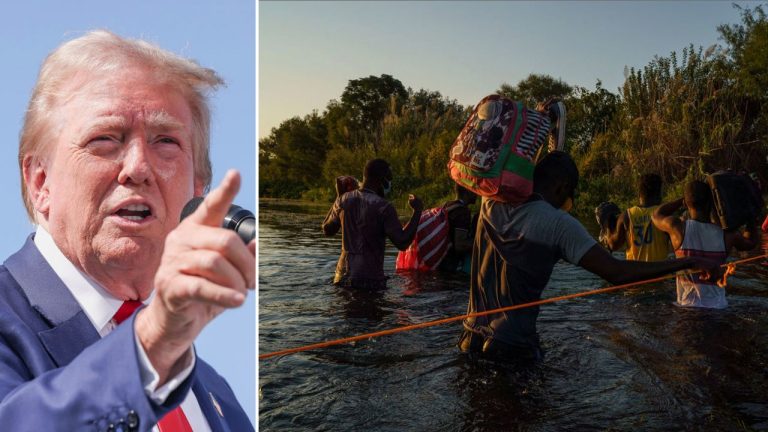
A split-screen image showing a close-up of Donald Trump speaking on the left and a group of people carrying belongings while wading through a river on the right.

When Military Shows of Force Replace Political Solutions: The Contradiction at the Heart of U.S. Haiti Policy

In early 2026, Haiti has reached a critical juncture where the expiration of the Transitional Presidential Council (TPC) mandate has paved the way for a more overt U.S. military presence in the Caribbean. The arrival of warships in the Bay of Port-au-Prince on February 4, 2026, underscores a century-long pattern: when Haitian institutions falter, Washington resorts to “Gunboat Diplomacy.”

Read More »
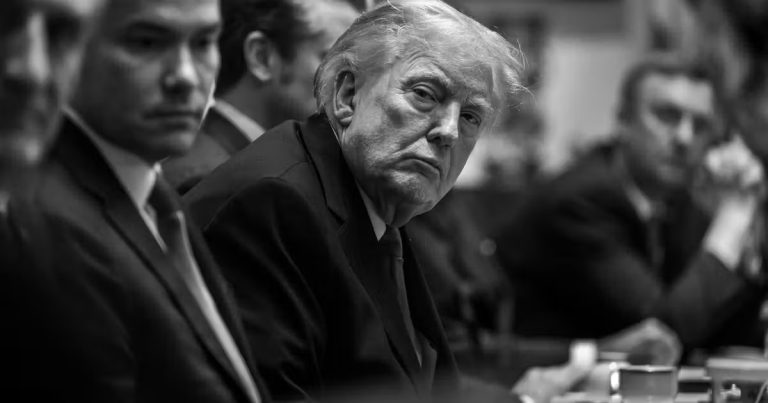
A black and white, high-contrast close-up of Donald Trump sitting at a long table during a meeting, looking towards the camera with a stern expression, surrounded by other men in suits who are partially blurred.

The Psychology of Escalation in Foreign Intervention

U.S. decision‑making on Iran is increasingly shaped not by structured interagency analysis but by a feedback loop of emotional validation. When a leader repeatedly asks a narrow circle of loyalists whether an action is a “winner,” the question itself becomes a self‑fulfilling prophecy. The result is a foreign policy environment where impulse, affirmation, and narrative gratification override strategic caution.

Read More »
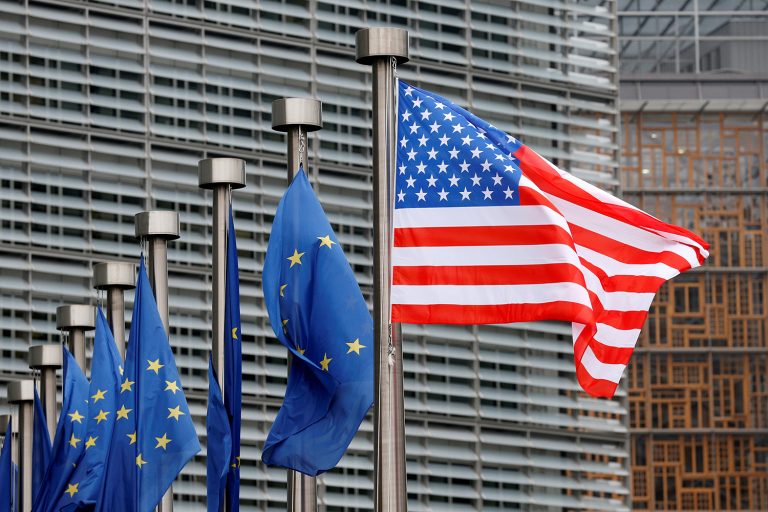
A close-up view of several silver flagpoles in a row, with multiple European Union flags and one prominent United States flag waving in front of a modern glass office building.

Tariff Barriers and the Reshaping of Global Trade Partnerships

The liberal trade order that defined the post‑1945 world is no longer collapsing suddenly — it is dissolving structurally. The rise of protectionism, especially in the United States, is forcing every major economy to redesign its trade strategy in real time. What emerges is not a new system, but a fragmented landscape of overlapping blocs, bilateral deals, and improvised coalitions.

Read More »
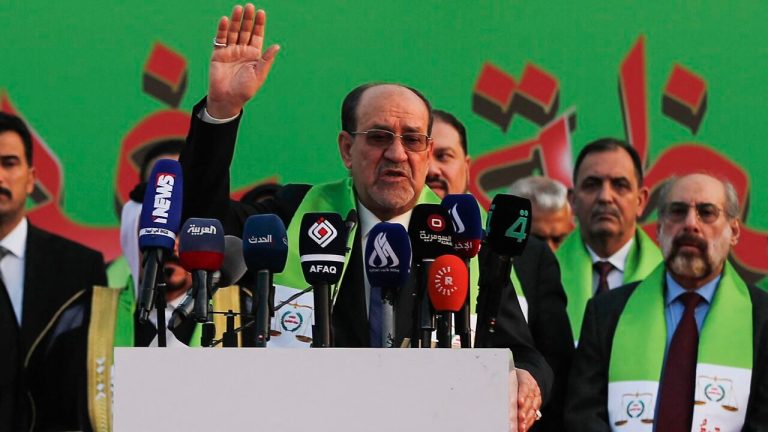
Nouri al-Maliki standing behind a podium with multiple news microphones, wearing a green sash and raising his right hand, surrounded by other men in suits against a green background with red Arabic text.

Iraq’s Political Gridlock: When Foreign Veto Power Collides With Domestic Legitimacy

Iraq’s political paralysis is not simply the result of domestic factionalism. It is the predictable outcome of a system where external veto power routinely overrides internal legitimacy. The current standoff over Nouri al‑Maliki’s nomination exposes the structural contradiction at the heart of Iraqi governance: sovereignty exists on paper, but government formation depends on which foreign actor is willing to impose the highest cost.

Read More »