Category: Expert Insights

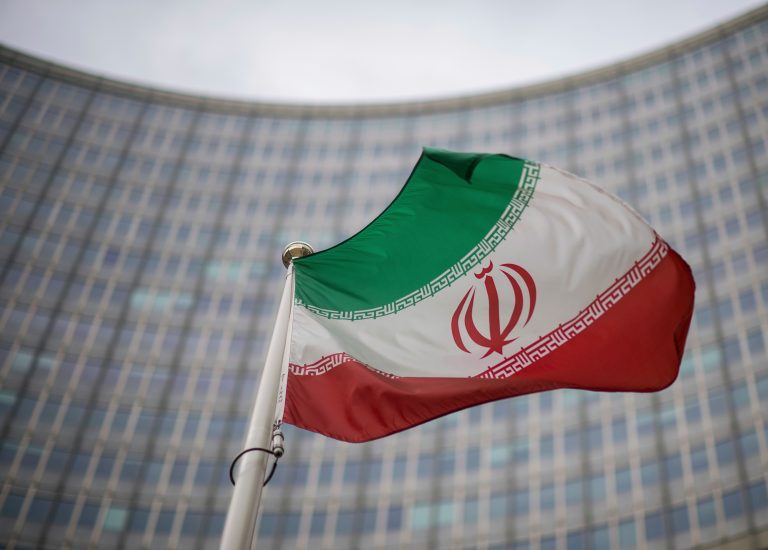
Iranian flag waving on a flagpole in front of a modern curved glass building.

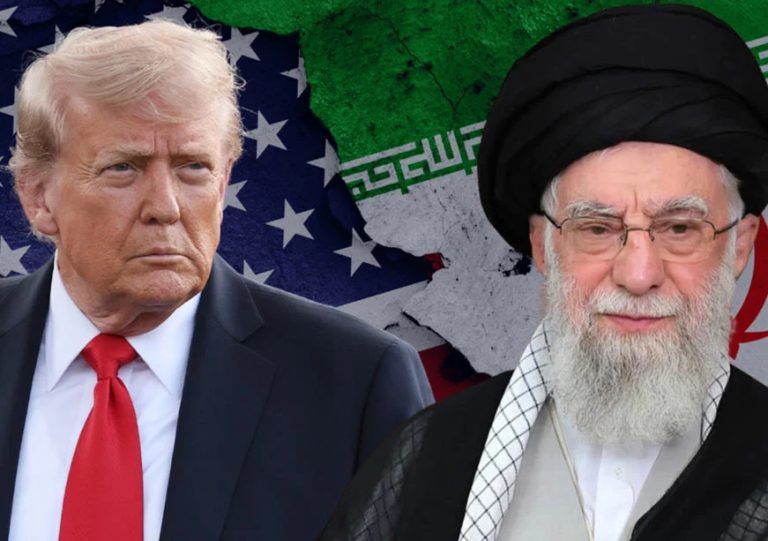
Iran Crisis: What Seven Experts Think Could Happen Next

A massive U.S. buildup and stalled diplomacy have created the most volatile U.S.–Iran standoff in decades. Experts disagree whether Trump’s pressure will force a deal or trigger escalation. Iran’s weakened regime, internal unrest, and unpredictable IRGC commanders heighten risks. With both sides misreading each other, even a “limited strike” could spiral fast.
Read More »
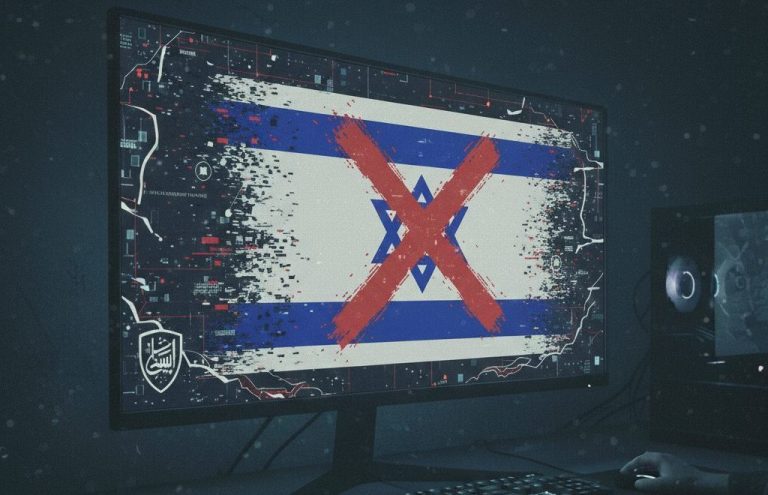
Digital screen showing an Israeli flag with a red "X" through it and ISNAD branding for cyber warfare.

ISNAD’s Shift From Wartime Propaganda to Long-Term Social Warfare

The ISNAD network has shifted from wartime agitation to long‑term influence operations, using fake Hebrew accounts to erode Israeli social cohesion. Its new “sociological warfare” strategy promotes polarization, distrust, and emigration. With tighter organization and ideological volunteers, ISNAD offers a replicable model of civilian‑style interference that democracies are still struggling to counter.

Read More »
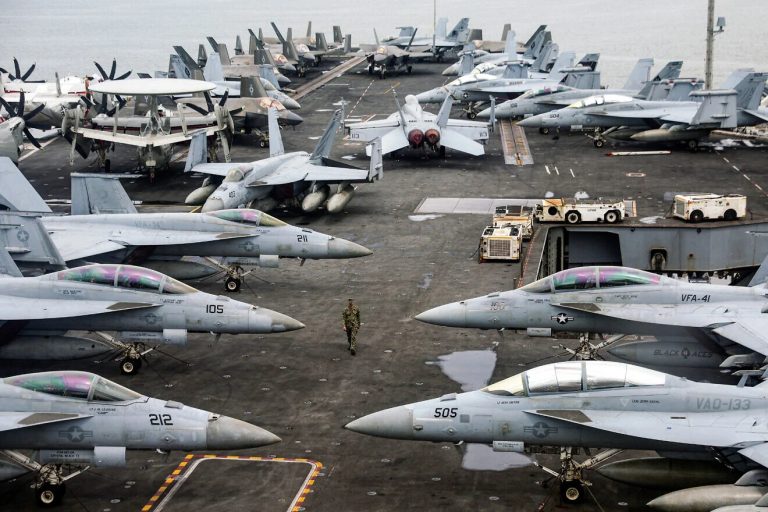
U.S. Navy fighter jets, including F/A-18 Super Hornets and E-2 Hawkeyes, crowded on the flight deck of an aircraft carrier.

US vs. Iran: Three Strike Options as Diplomacy Stalls

A massive U.S. buildup has positioned two carrier groups and stealth bombers for strikes on Iran. Washington is weighing three options: regime‑targeted attacks, strikes on nuclear sites, or an economic‑military squeeze. Tehran signals it will retaliate through missiles and its regional proxy network. With diplomacy stalled, the risk of rapid escalation is rising.

Read More »
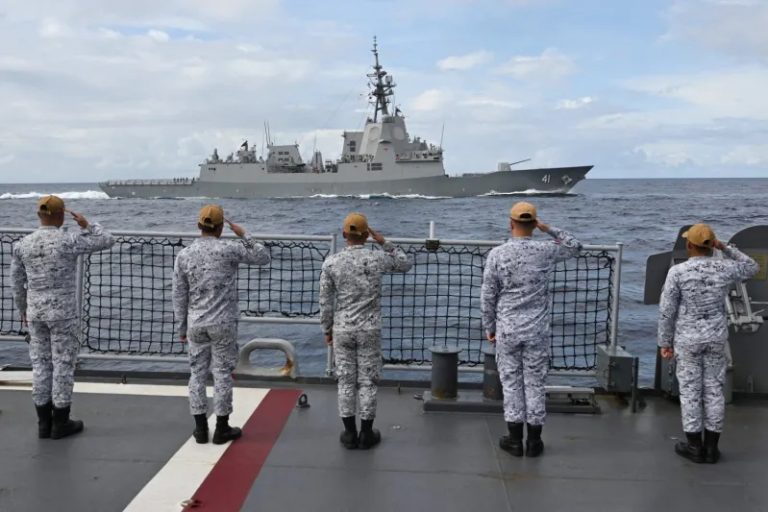
Five sailors in gray and white camouflage uniforms standing on the deck of a ship, facing away from the camera and saluting a large gray guided-missile destroyer with the hull number "41" sailing parallel to them in the open sea.

Trump’s Arms Export Overhaul Threatens Indo-Pacific Ties

The new “America First” arms‑transfer strategy is not a bureaucratic tweak. It is a fundamental reordering of how Washington decides who gets weapons, when, and why. By ranking partners based on defense spending, geographic utility, and economic benefit to the U.S., the administration has replaced alliance‑building with transactional filtering.

Read More »
A composite historical and modern image featuring Saddam Hussein on the left and Ali Khamenei on the right, separated by a digital blue vertical line, with blurred scenes of soldiers and military vehicles in the background.

Beyond Iraq: The High Cost of a Conflict With Iran

The renewed deployment of U.S. naval power to the Gulf has revived a debate that Washington never fully resolved: can the United States coerce Iran militarily without triggering a regional or global crisis. The answer, increasingly, is no. Iran is not Iraq — not geographically, not militarily, not diplomatically, and not economically. Any conflict would be multidimensional, prolonged, and globally destabilizing.

Read More »
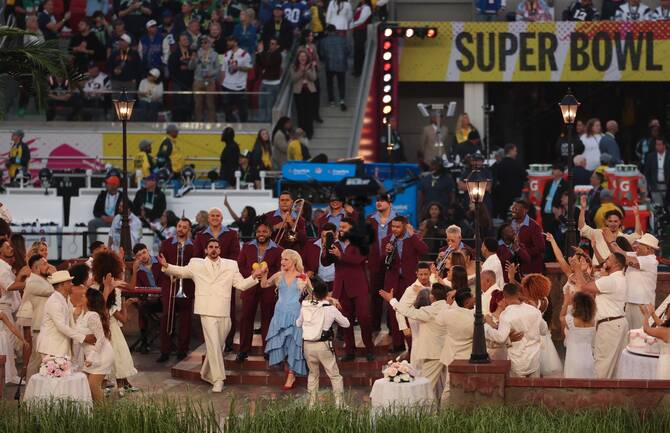
A crowded outdoor stage performance during a Super Bowl event featuring singers in white and blue outfits accompanied by a brass band in maroon suits.

The Collapse of Democratic Consensus

In early 2026, the “Collapse of Democratic Consensus” in the United States is no longer a theoretical risk—it is a measurable statistical reality. The transition from partisan disagreement to regime delegitimation is being driven by a historic hollowing out of the political center and an unprecedented alienation of the youth.

Read More »
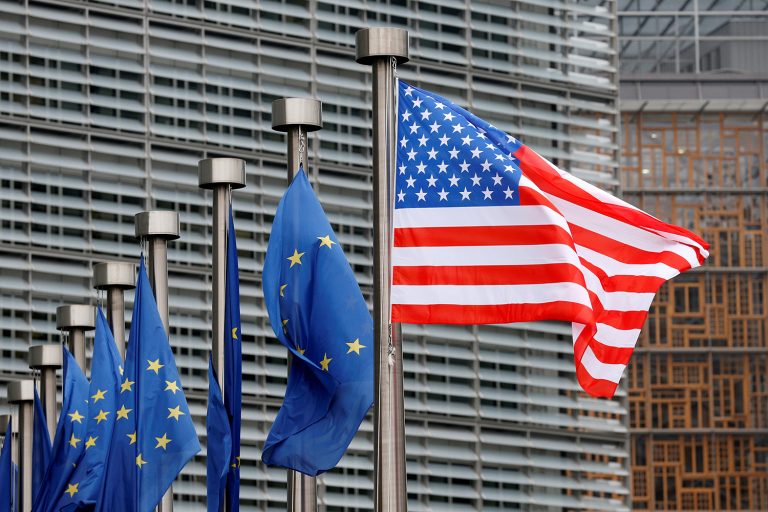
A close-up view of several silver flagpoles in a row, with multiple European Union flags and one prominent United States flag waving in front of a modern glass office building.

Tariff Barriers and the Reshaping of Global Trade Partnerships

The liberal trade order that defined the post‑1945 world is no longer collapsing suddenly — it is dissolving structurally. The rise of protectionism, especially in the United States, is forcing every major economy to redesign its trade strategy in real time. What emerges is not a new system, but a fragmented landscape of overlapping blocs, bilateral deals, and improvised coalitions.

Read More »
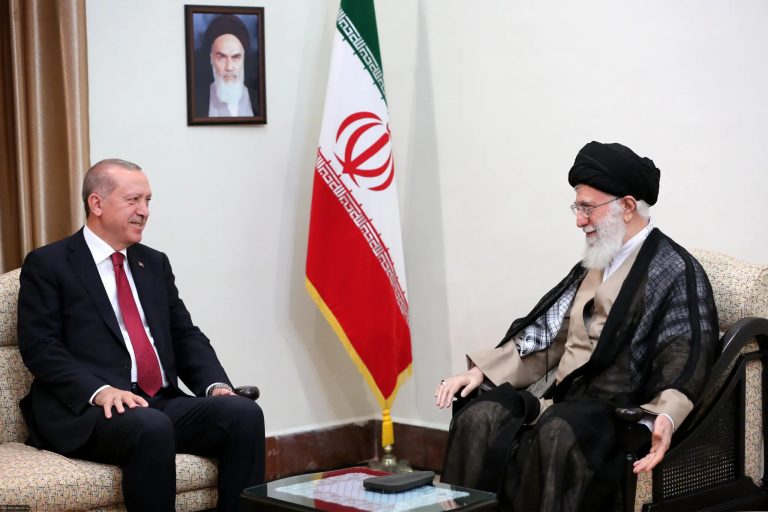
Two high-ranking political and religious leaders, Recep Tayyip Erdogan and Ali Khamenei, sitting in armchairs and smiling during a formal meeting, with the Iranian flag and a portrait of Ruhollah Khomeini in the background.

Ankara’s Iran Mediation Serves a Broader Ottoman-Era Ambition

Turkey’s mediation between the US and Iran reflects a long-term strategy to expand its regional influence, manage security risks, and assert a neo-Ottoman leadership role, even as credibility gaps and geopolitical rivalries limit how far Ankara’s ambitions can translate into real diplomatic authority.

Read More »
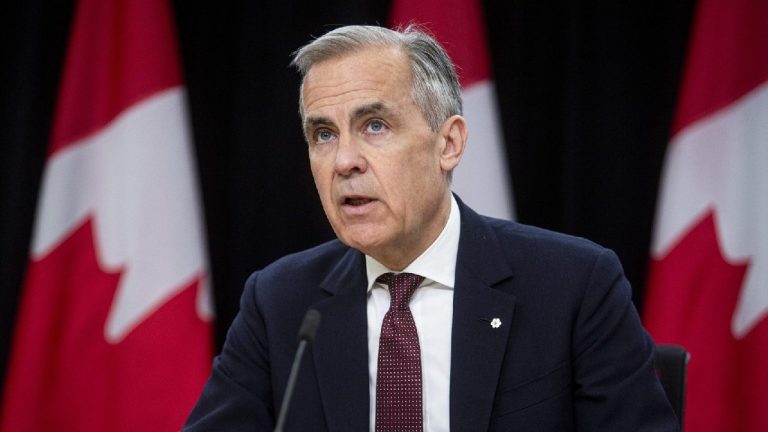
A man in a dark suit and red tie speaking at a podium with Canadian flags in the background.

Canada’s Middle Power Rhetoric Collides With Gaza Reality

This analysis examines the growing disconnect between Prime Minister Mark Carney’s “middle power” rhetoric and Canada’s policy on Gaza as of early 2026. While Carney utilized the Davos 2026 platform to signal a new era of diplomatic “honesty,” critics argue that Canada’s continued use of arms-export loopholes and its response to the current nominal ceasefire highlight a systemic failure to apply international law consistently.

Read More »
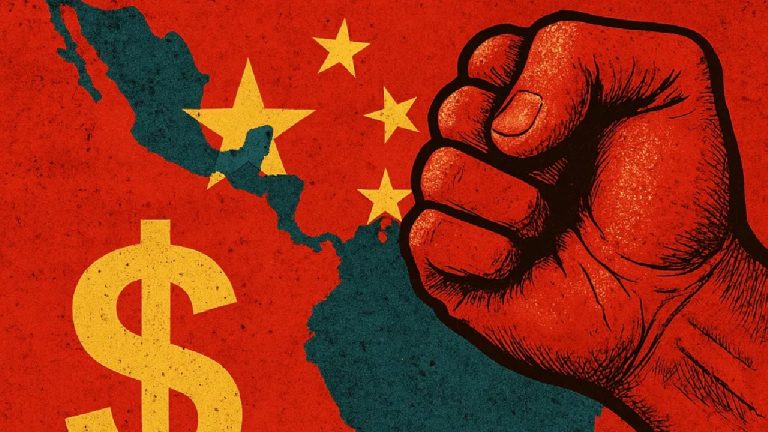
Illustration featuring a large red clenched fist on the right and a yellow dollar sign over a silhouette map of Central and South America on the left, set against a red background with yellow stars.

Economic Pragmatism Trumps Ideology in Latin America’s China Dilemma

This article examines how Latin America’s deep-seated integration into Chinese trade networks—exceeding $515 billion in 2024—overrides the region’s recent rightward political shifts. Using case studies from Argentina’s soy exports to Brazil’s response to U.S. tariffs, it argues that economic pragmatism and the “commercial logic of resource extraction” remain more influential than ideological alignment with Washington.

Read More »