Category: War, Defense & Security

Hakan Fidan sitting at a diplomatic conference table with a Turkish flag in the foreground.

Turkey’s Push to End the Iran War Is Really About Self-Preservation

Turkey’s diplomatic push to end the war is driven by urgent self-preservation, fearing a Kurdish autonomous zone in Iran and a catastrophic refugee wave. With soaring energy costs widening its deficit and a shared 350-mile border, Ankara is positioning itself as a mediator to prevent regional collapse and domestic instability.
Read More »
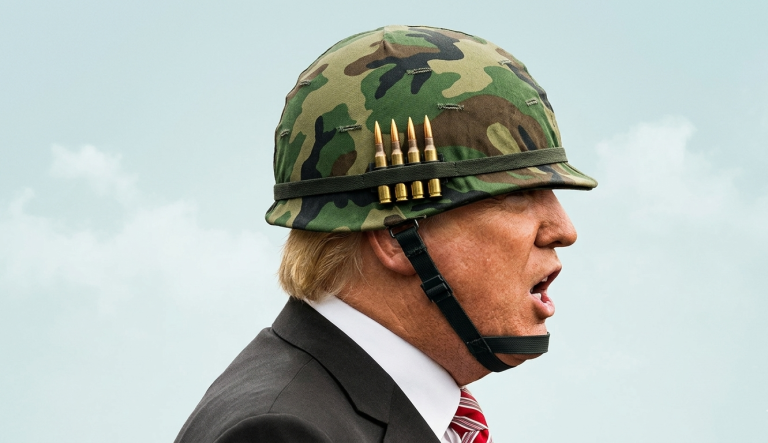
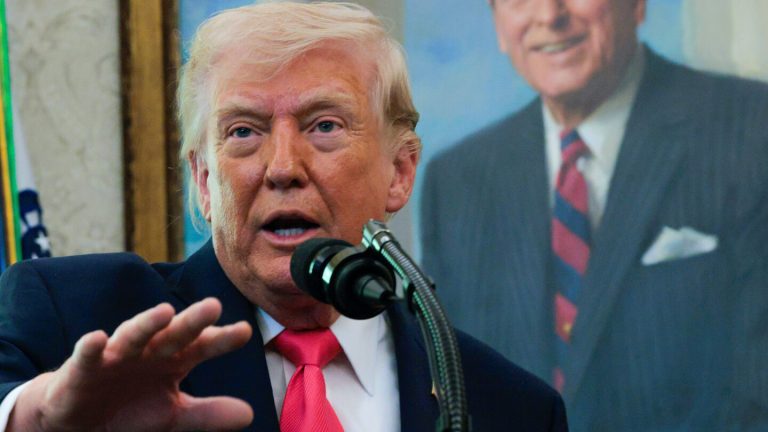
Donald Trump speaking at a microphone with a portrait of Ronald Reagan in the background.

Talks, Troops, and a Strike Near Bushehr: The War at Week Four

On Tuesday, March 24, 2026, the war reached a volatile crossroads as President Trump claimed a deal was near while the Pentagon moved 3,000 elite paratroopers toward the Gulf. Despite reported negotiations over the Strait of Hormuz, strikes near the Bushehr nuclear plant have raised fears of a radiological catastrophe.

Read More »
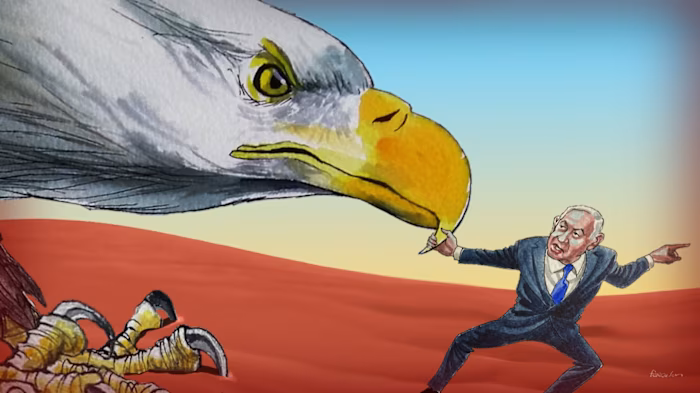
A caricature of Benjamin Netanyahu pulling the beak of a large American bald eagle.

Netanyahu Got His War With Iran. Israel May Pay for It for Decades.

Benjamin Netanyahu’s long-sought military confrontation with Iran risks Israel’s long-term security by eroding its most vital asset: bipartisan U.S. support. As American public sympathy shifts and anti-interventionist sentiment grows, Israel faces the prospect of strategic isolation and a pattern of hollow military victories that fail to deliver lasting stability.

Read More »
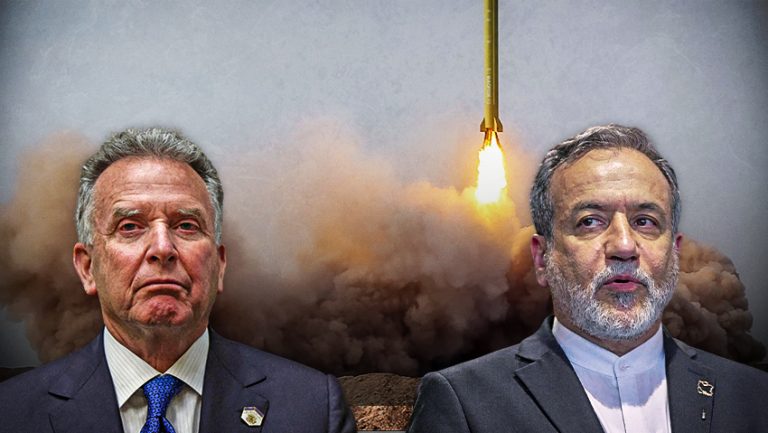
A composite image featuring two political figures from the US and Iran in front of a missile launch with smoke clouds.

Iran Doesn’t Trust the Negotiators and That’s Now a Problem

Tehran is stalling negotiations by rejecting Trump’s primary envoys and signaling a preference for JD Vance, viewed as a skeptic of Middle East intervention. This diplomatic maneuvering creates internal White House tension as the U.S. readies paratroopers and a 15-point proposal to end the conflict amid soaring energy prices.

Read More »
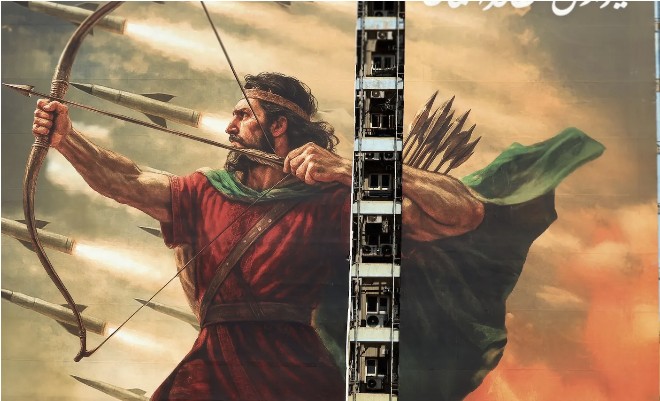
Illustration of Arash the Archer firing missiles instead of arrows in a modern geopolitical art style.

Iran Won’t Break. But It Might Implode From Within.

Iran’s deep cultural cohesion and the IRGC’s tightening grip mean the regime won’t collapse under foreign pressure, but the war is accelerating internal tensions that could push the country toward an eventual implosion driven from within rather than imposed from outside.

Read More »
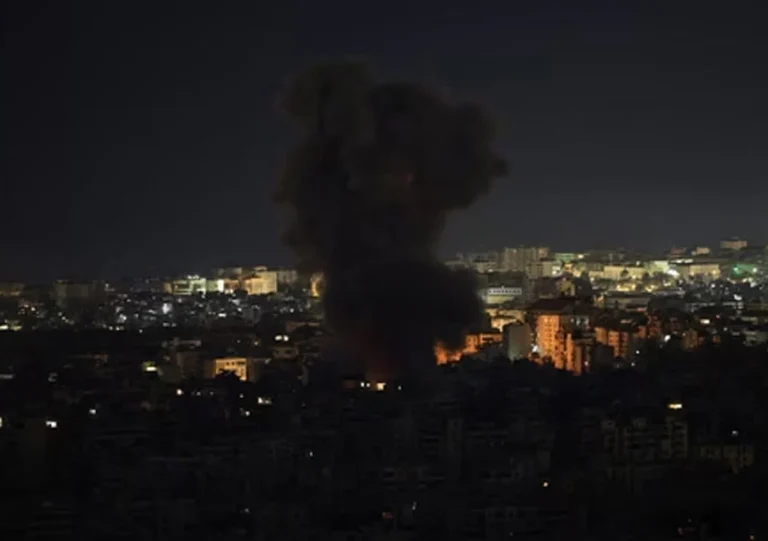
A nighttime view of a city skyline with a large, dark plume of smoke and fire rising from the center. The city lights are visible across the horizon under a dark sky.

When the Strait Closes: Food, Water, and the Hidden Cost of War

The closure of the Strait of Hormuz has triggered a global crisis extending beyond oil, paralyzing a third of the world’s fertilizer trade and threatening desalination plants critical for drinking water. This disruption risks long-term food inflation, compromised harvests, and severe economic strain on millions far from the conflict.

Read More »
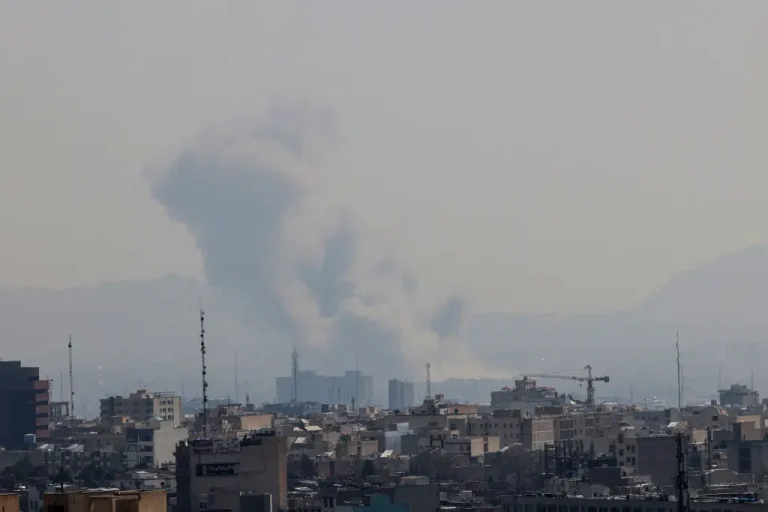
A daytime cityscape view under a hazy sky, showing a large plume of grey and white smoke rising from a building complex in the distance. Several telecommunication towers and a construction crane are visible among the city buildings.

Trump’s Power Plant Threat Pulls the Hormuz Crisis to a New Edge

President Trump has issued a 48-hour ultimatum, threatening to strike Iran’s power plants unless the Strait of Hormuz is reopened. This escalation follows a massive spike in global energy prices and retaliatory threats from Tehran to destroy regional infrastructure, leaving little room for diplomatic off-ramps as the deadline approaches.

Read More »
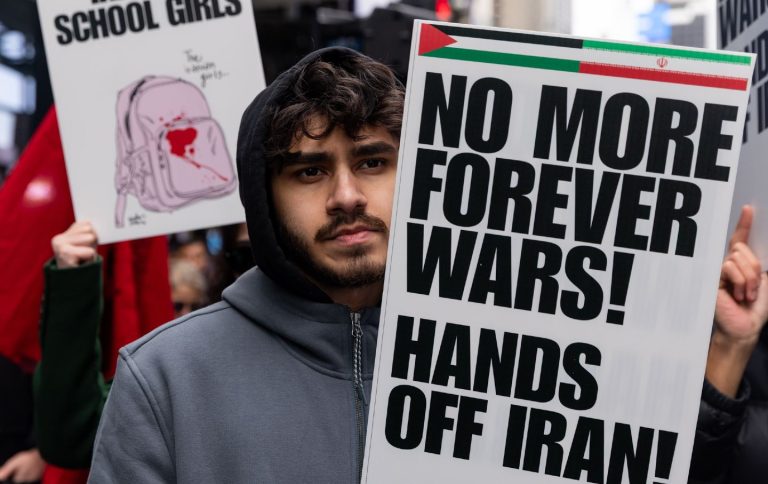
A young man with a beard wearing a dark grey hooded sweatshirt holds a white protest sign with bold black text that reads "NO MORE FOREVER WARS! HANDS OFF IRAN!". In the background, another sign shows a drawing of a pink backpack with red stains.

America’s Anti-War Movement Has a Class Problem It Can’t Ignore

As the war on Iran enters its fourth week, America’s anti-war movement faces a critical class divide. To succeed, organizers must bridge the gap between urban activists and the working-class families bearing the economic and human costs, building a diverse coalition capable of challenging the powerful defense industry.

Read More »