
America, Iran, and a World in Turmoil

A Conversation With Ian Bremmer
Trump’s Iran War: Another Middle East Trap of His Own Making

This analysis explores the structural contradictions of the ongoing US-Iran conflict. Despite the recent Memorandum of Understanding and ceasefire, the agreement leaves core issues—including nuclear policy and regional influence—largely unresolved. By examining the historical patterns of American involvement in the Middle East, we assess whether current diplomacy offers a genuine path toward stability or merely a temporary pause in a broader, open-ended struggle.
The US-Iran Deal Is a Ceasefire, Not a Concession
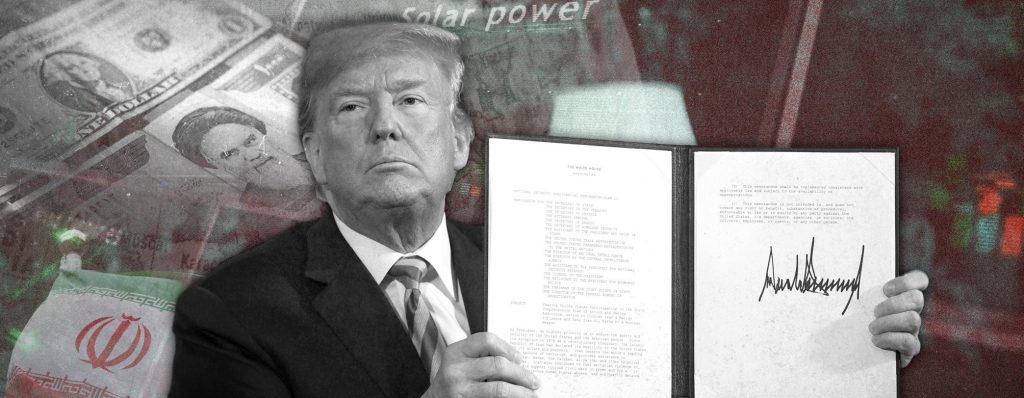
The recent framework between the United States and Iran represents a pragmatic ceasefire rather than a strategic concession. By prioritizing the reopening of the Strait of Hormuz and managing immediate conflict, both sides aim to stabilize energy markets. This agreement highlights the limits of current diplomatic leverage today.
Israel’s Lebanon Occupation Is Ethnic Cleansing by Another Name
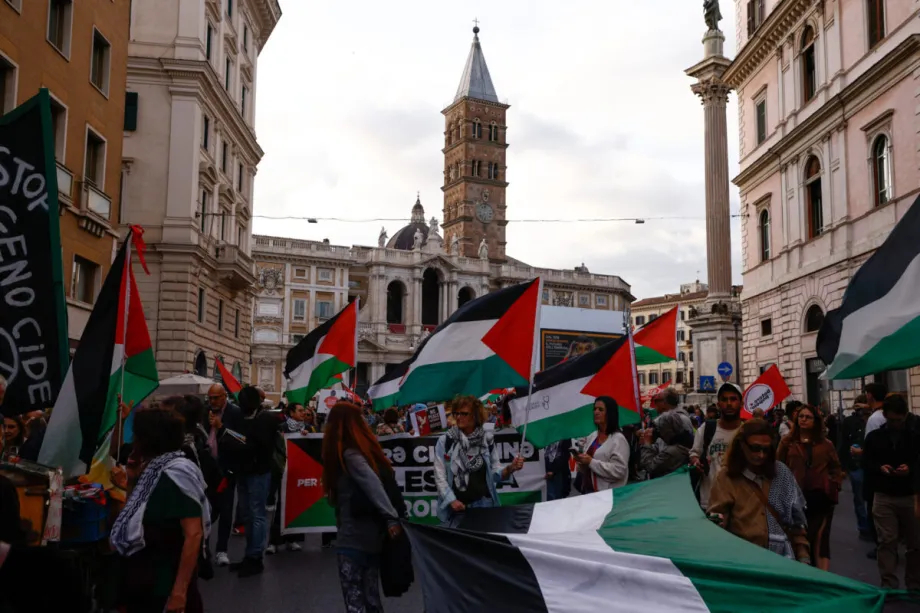
The situation in southern Lebanon remains dire as the declared ceasefire between Israel and Hezbollah faces constant strain. Despite diplomatic efforts and U.S.-led trilateral negotiations, significant Israeli military presence persists, with officials explicitly rejecting withdrawal and signaling a long-term strategy of creating “security buffer zones.” As the humanitarian crisis deepens—with over 1.2 million displaced—this article explores the disconnect between international diplomatic rhetoric and the operational realities on the ground, where the declared “Gaza model” of occupation continues to redefine the geopolitical landscape of the region.
Iran Didn’t Win the War — It Won the Peace
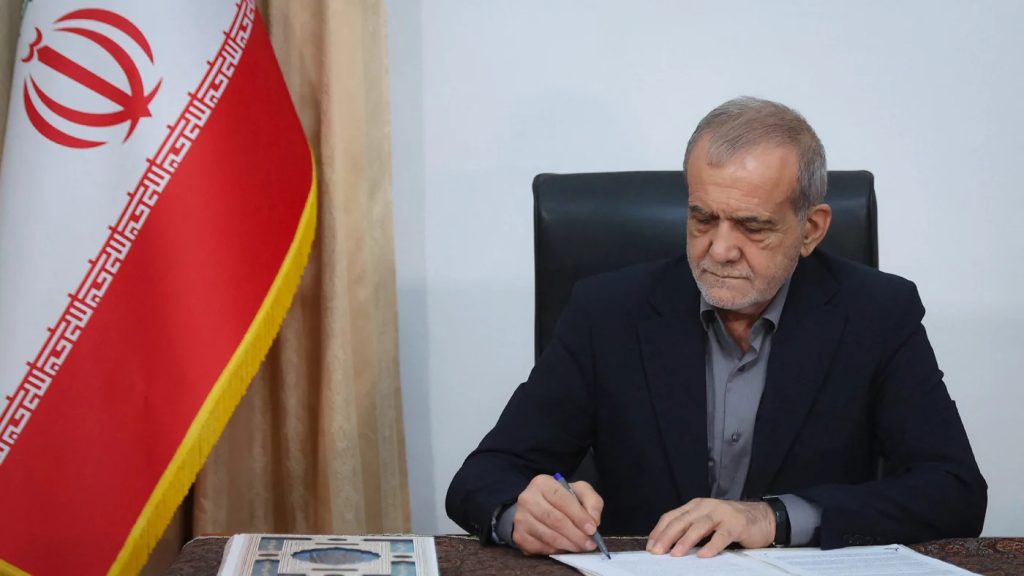
The 2026 U.S.-Israeli campaign against Iran concluded not with the intended dismantlement of Iranian influence, but with a diplomatic framework that leaves Tehran’s core capabilities largely intact. While the conflict inflicted severe military damage, Iran’s successful disruption of the Strait of Hormuz demonstrated the limits of American power to secure global energy flows. This article argues that the war served as a definitive catalyst for a structural realignment, shifting the regional order toward de-dollarization and proving that Iran’s strategy of attrition successfully weathered the most significant military challenge it has faced in decades.
America’s Debt Crisis Is Worse Than Politicians Admit
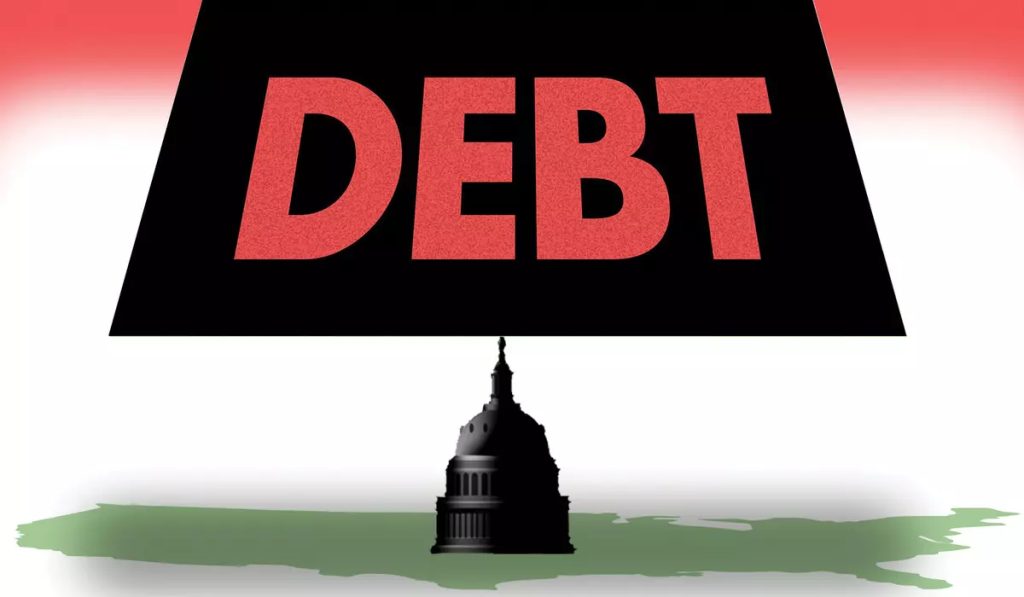
The United States faces an unprecedented peacetime fiscal crisis as federal debt approaches 100 percent of GDP during a period of strong economic growth. Driven by successive bipartisan tax cuts, rising interest rates, and the massive deficit impact of the recently passed Big Beautiful Bill, the structural deficit continues to widen. While some politicians argue that an artificial intelligence productivity boom will naturally resolve the imbalance, data from the Yale Budget Lab suggests that relying on automated growth to stabilize the debt is a dangerous miscalculation. Addressing this generational challenge will require a fundamental shift in political will, starting with structural revenue reforms rather than destabilizing cuts to essential social safety nets.
Why Russia Is Not Saudi Arabia:
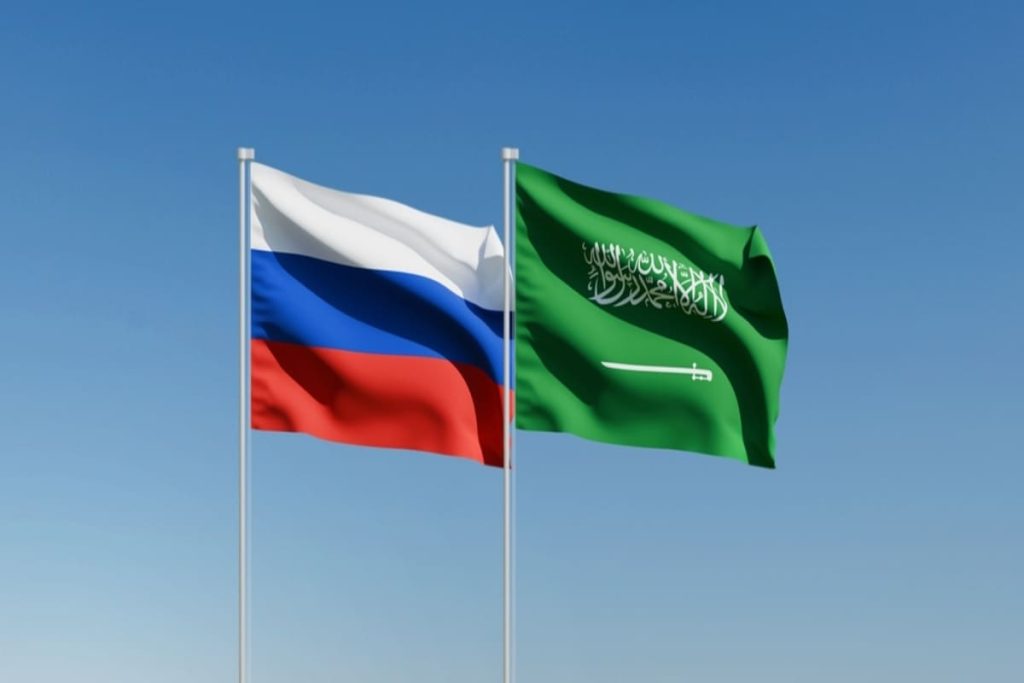
While drone strikes on energy infrastructure have drawn comparisons to the 2019 Abqaiq attack on Saudi Arabia, the strategic outcomes differ drastically due to the compounding effect of Western sanctions. Unlike Saudi Arabia, which leveraged open global markets to restore capacity within weeks, Russia faces crippling repair delays for specialized refinery components. This article examines the intersection of drone-driven attrition and economic isolation, arguing that sanctions are now functioning as a force multiplier that prevents Russia from recovering from modern, low-cost precision strikes.
America First, Israel Second?
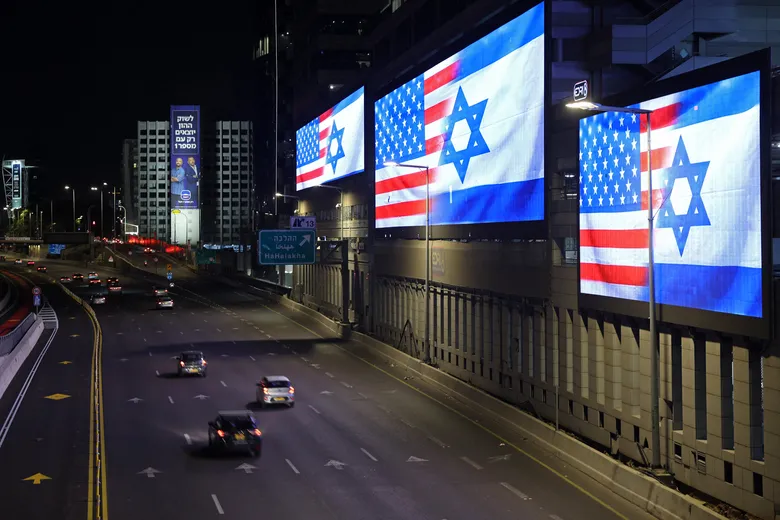
The Islamabad Memorandum of Understanding (MOU), signed in June 2026, signals a structural transformation in U.S.-Israel relations. While the alliance remains intact, the Islamabad MOU reveals a fundamental divergence in strategic end-states between Washington and Jerusalem. By excluding Israeli leadership from the final diplomatic framework to end the Iran war, the Trump administration has signaled that U.S. domestic economic and electoral imperatives now supersede unconditional alignment with Israeli security objectives. This article examines how the “America First” doctrine has recalibrated the partnership, leaving Israel in a position of managed dependency and highlighting the growing limits of Prime Minister Benjamin Netanyahu’s ability to influence American regional policy.
Dr. Vikas Bhardwaj

Vikas Bhardwaj is a scholar of international political economy, holding a Ph.D. and M.Phil. from the Centre for Russian and Central Asian Studies, School of International Studies, Jawaharlal Nehru University (JNU), New Delhi. His work focuses on economic statecraft, sanctions, energy geopolitics, and global economic governance.
He has worked as a researcher with numerous institutions, including the Indian Institute of Public Administration (IIPA), contributing to multiple policy evaluation projects commissioned by the Government of India Ministries. Bhardwaj holds nine academic degrees and has published in international peer-reviewed journals on the Russian economy, geopolitical conflict, and shifting global power dynamics.
Vance’s Blind Spot: Why Israel Is America’s Most Strategic Ally
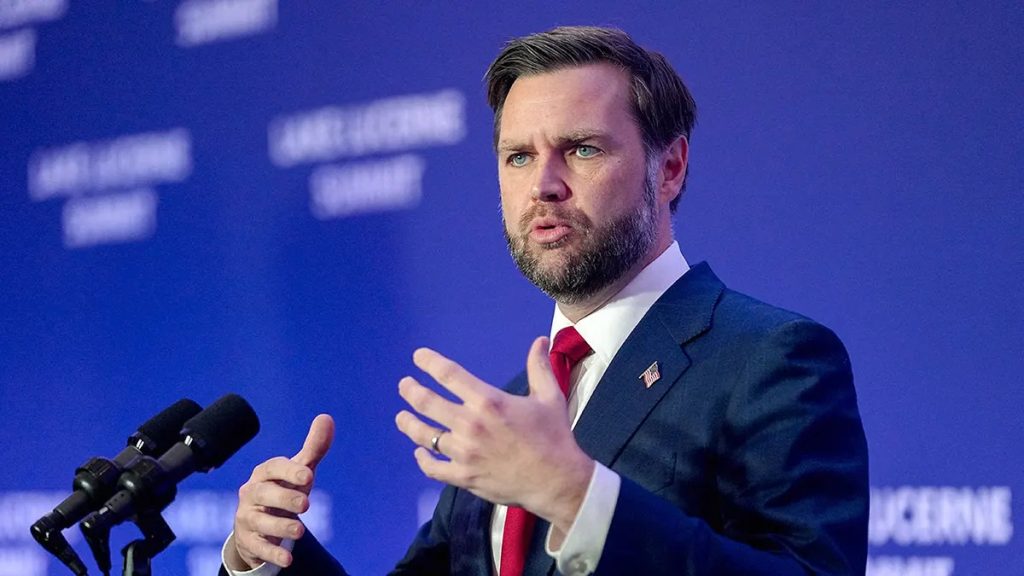
The recent public criticisms leveled by Vice President JD Vance against Israeli leadership reveal a fundamental misunderstanding of the U.S.-Israel security partnership. By framing the relationship through a lens of client-state dependence, the administration risks undermining the operational integration that secures American interests across the Middle East. This article argues that treating strategic allies as political liabilities rather than critical assets—particularly while pursuing engagement with regional adversaries—signals a dangerous erosion of credibility that may compel partners to seek greater security diversification.
How America Turned the Mafia Into a Global Brand
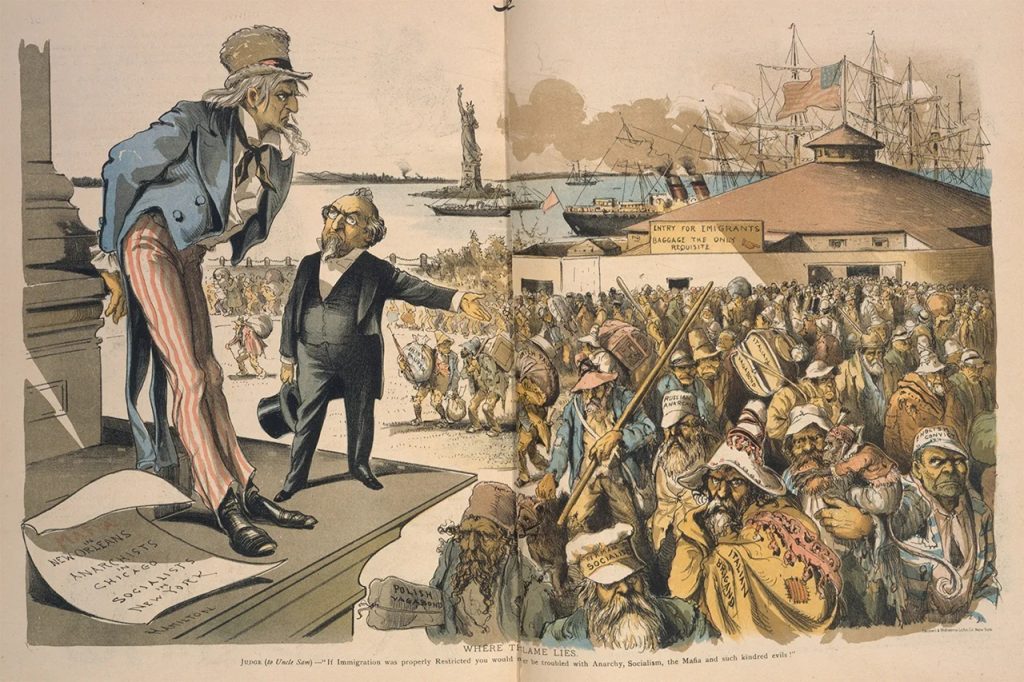
While the United States has spent a century attempting to eradicate organized crime, it inadvertently helped construct its global framework. By standardizing criminal structures during Prohibition and exporting American enforcement models, the U.S. also cemented the “Mafia” mythology through popular culture. This article examines how the American experience transformed fragmented local traditions into a cohesive, globally recognized brand that criminal organizations worldwide continue to adopt today.
America Is Losing the Drone and AI Race It Started
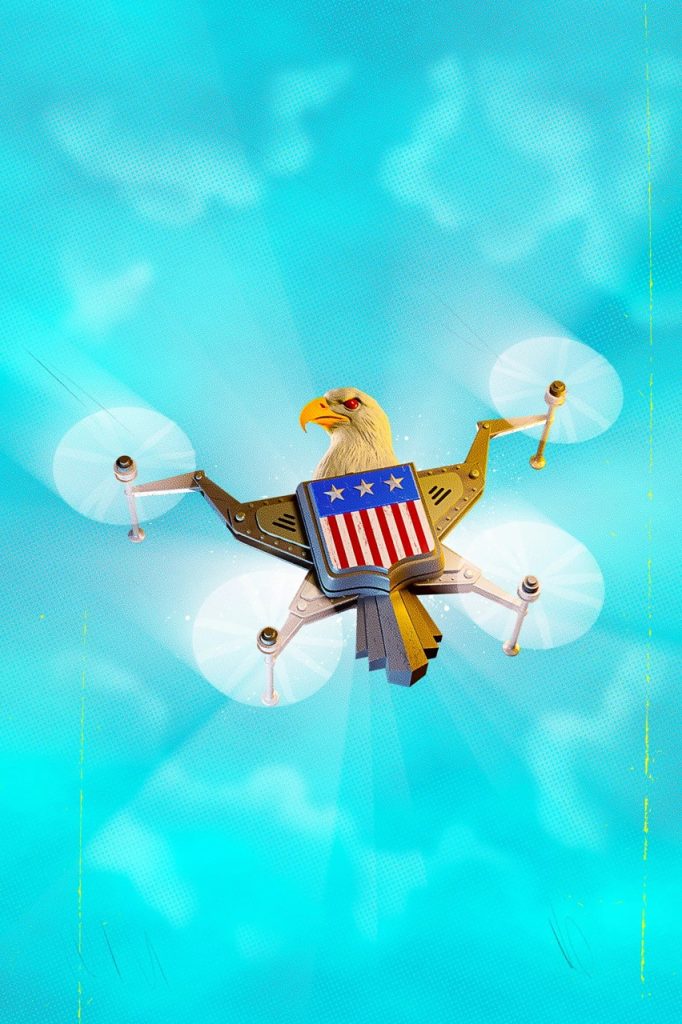
The recent conflict with Iran has exposed a critical reality: American military dominance, once predicated on proprietary technology and unmatched scale, is being undermined by a new era of AI and low-cost, mass-produced drones. While Washington remains focused on legacy structures, competitors are closing the technological gap through adversarial distillation and domestic innovation. This article explores how the Pentagon’s failure to adapt its procurement and institutional culture threatens to turn current technological advantages into strategic liabilities, necessitating a fundamental rethinking of how the U.S. prepares for the next generation of warfare.