
South Korea Weighs Nuclear Options Amid Diminishing American Support

As Washington curtails its involvement in vital joint military exercises, South Korea faces growing pressure to bolster its own defense. Rising public support and strategic shifts under President Lee Jae Myung are prompting policymakers in Seoul to reconsider reliance on foreign military protection.
Israel and Turkey Compete for Syrian Airspace Dominance
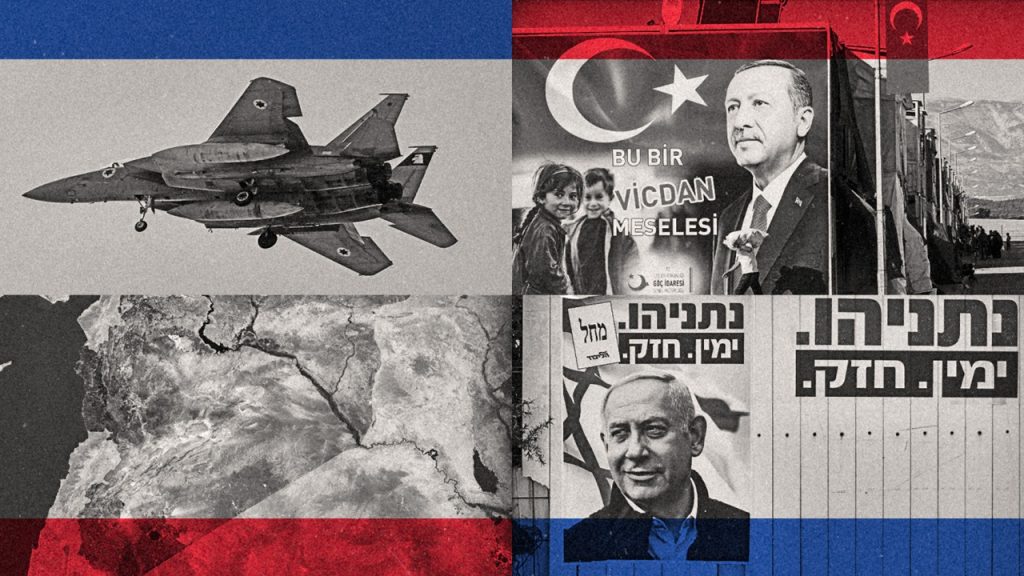
The collapse of the Syrian regime has triggered an intense proxy battle for aerial dominance across the Levant. As Israel conducts preemptive strikes and Turkey moves to expand its military footprint, Damascus remains helpless, leaving the region’s skies an unregulated arena for foreign confrontation.
Geopolitical Shifts Redefine Global Alliances

Diplomatic priorities are rapidly changing worldwide. Recent leadership transitions across Latin America and Europe reveal how national governments are leveraging foreign policy shifts—from energy exports to territorial stances—to align with broader political paradigms.
Washington Threatens Secondary Sanctions Over Iranian Oil

The U.S. has launched Operation Economic Outcast, threatening secondary sanctions against global institutions doing business with Iran. Aimed at eliminating illicit oil trade and dollar access, the aggressive strategy faces a major test as key global energy buyers resist Washington’s demands. Read our full analysis.
The Climate Blind Spot in Global Defense Strategy
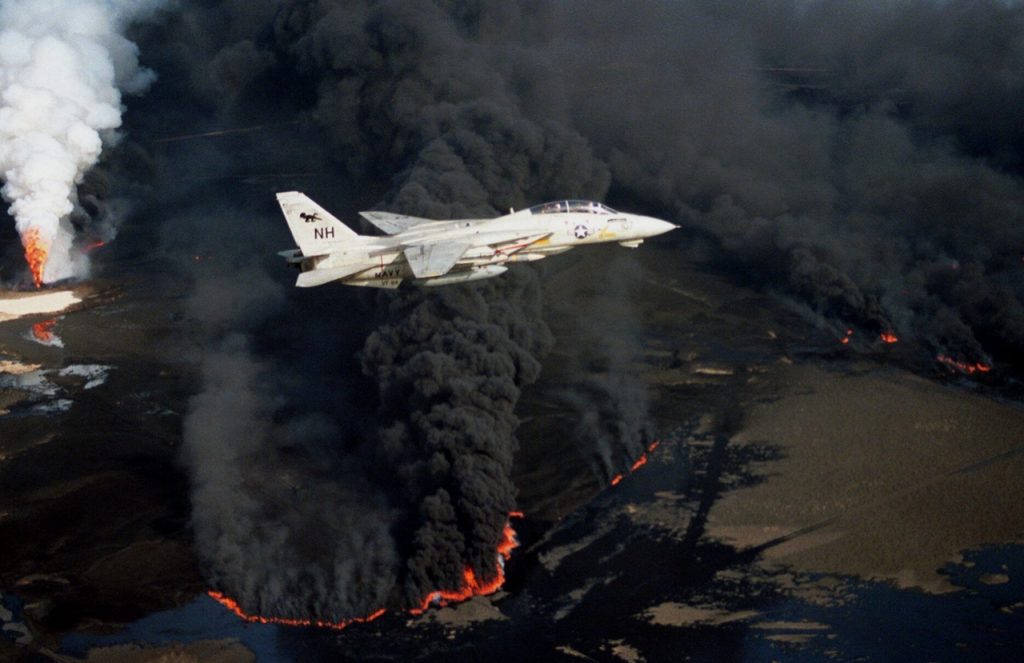
Global security architectures continue to hide a massive environmental cost. By systematically excluding military emissions and complex defense supply chains from climate agreements, nations risk widespread ecological instability. Read our deep dive into why true strategic defense demands complete environmental accountability.
Qusra Siege Reveals Israeli Strategy of Silent Displacement
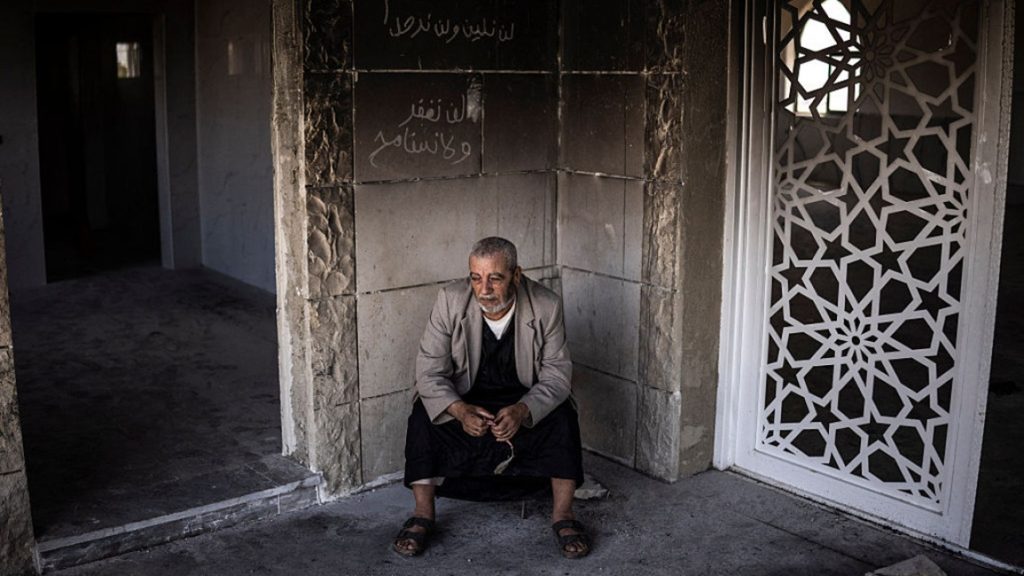
The ongoing containment of towns like Qusra reveals how spatial control and environmental hostility replace traditional blockades. Through a subtle sequence of civilian infrastructure cuts and formal military zones, local populations face a quiet campaign of forced displacement. Read our full report on this shifting dynamic.
Military Independence Tested by Political Pressures in Israel
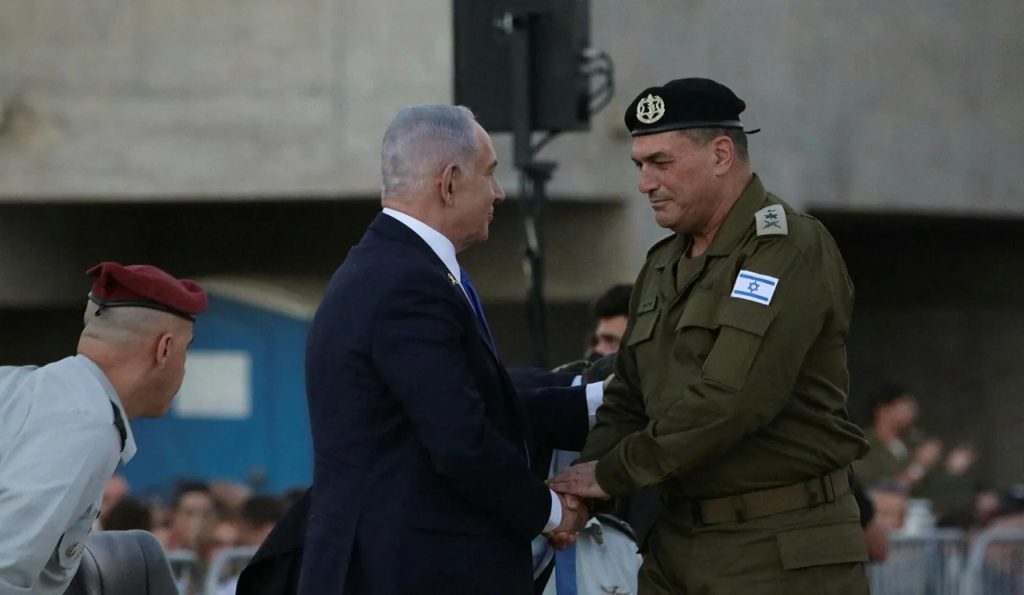
As national elections approach, escalating friction between political leadership and top military commanders threatens traditional institutional boundaries. Critics warn that sacrificing long-term national security strategies for short-term political survival compromises the independence of the armed forces. Read full coverage on the dynamic shaping regional stability.
Israeli Strikes in Syria Expose Deep Regional Rift
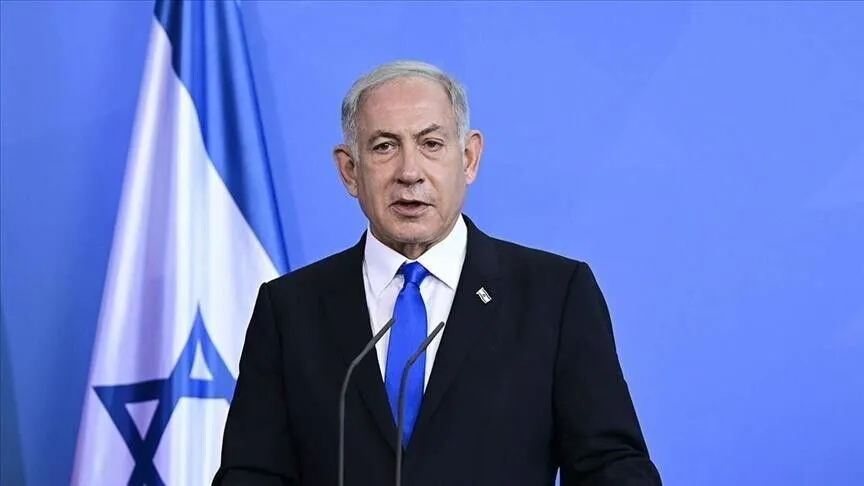
Recent Israeli airstrikes on Syria’s Abu al-Duhur airfield have intensified diplomatic friction with Turkey. Amid conflicting claims over strategic foreign deployments, analysts point to rising domestic political pressures driving high-risk foreign policy moves. Read our breakdown on the fragile balance of Middle Eastern security.
Institutional Violence and Displacement in the West Bank
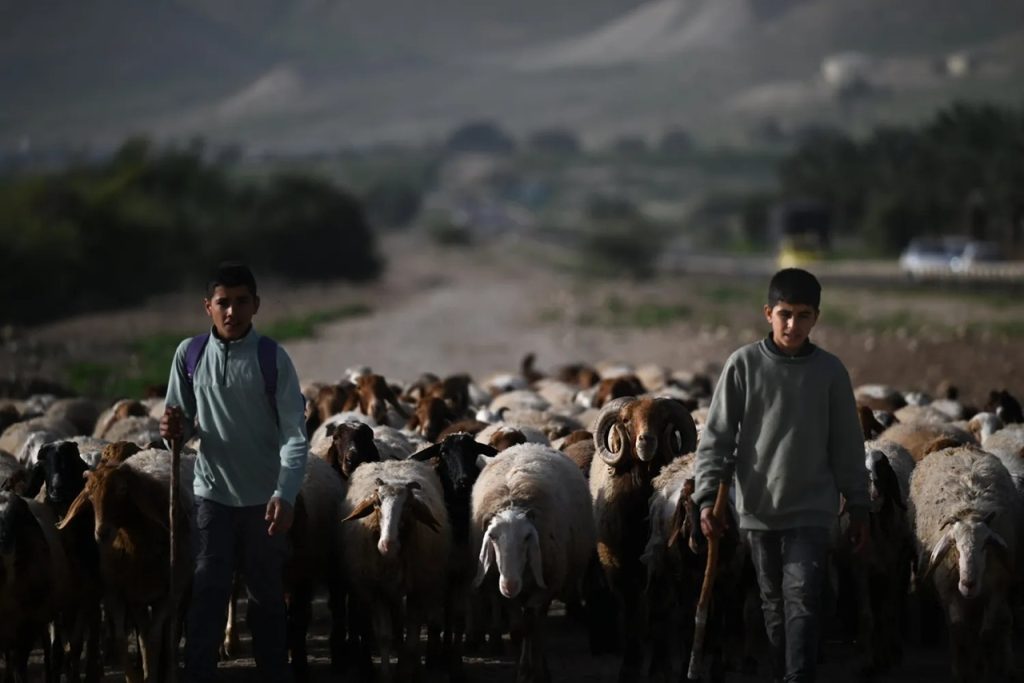
Recent footage of extreme aggression in the West Bank highlights a broader pattern. Beyond isolated acts of brutality, coordinated campaigns supported by state resources and legal impunity are systematically driving the displacement of rural communities. Read the full analysis on how this structural violence operates.
United States and Canada Trade Talks Collapse as New Tariffs Threaten Economy
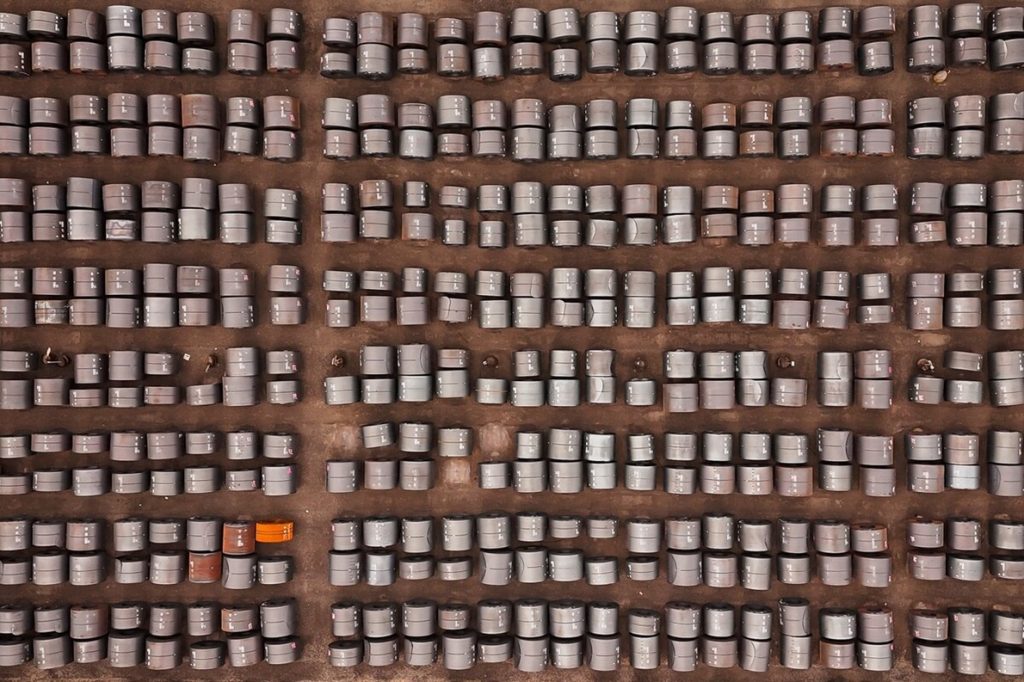
Bilateral economic relations between the United States and Canada have reached unprecedented strain following the sudden collapse of trade negotiations. With Washington activating 50% import tariffs under the 1930 Tariff Act and Ottawa planning dollar-for-dollar retaliatory measures, North American supply chains face massive disruption.
Strategic Failures in the Iranian Military Campaign
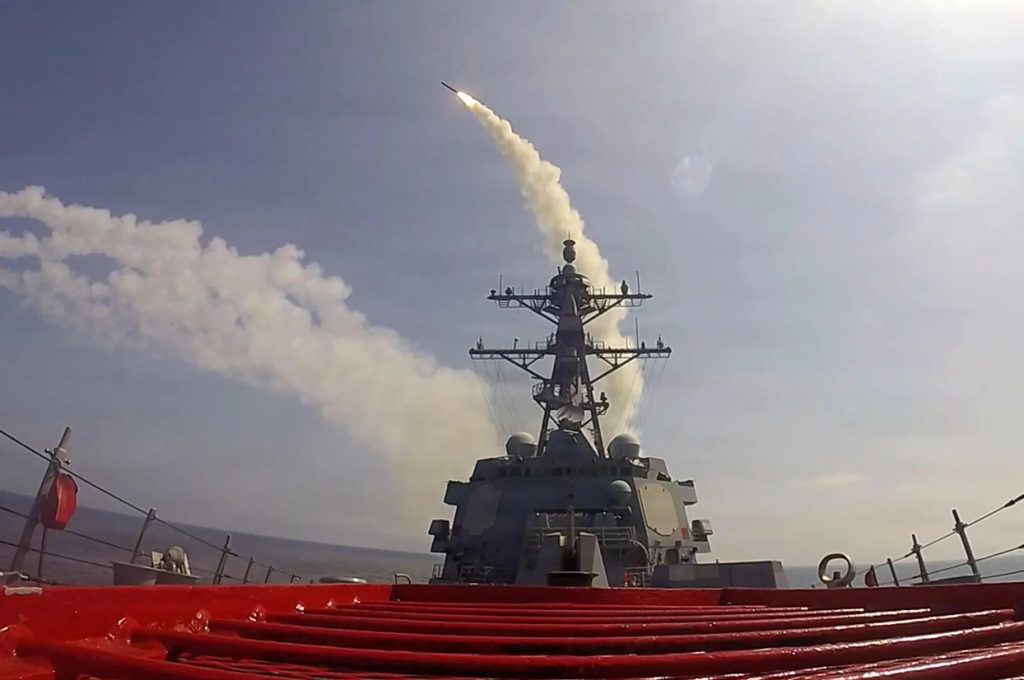
A critical analysis of recent military operations highlights strategic deficiencies in relying solely on aerial dominance. As mobile launch platforms bypass standoff strikes, political miscalculations and unrealistic mandates from civilian leadership demonstrate the limits of airpower in achieving definitive victory.
Regional Powers Forge Arab Maritime Coalition for Defense
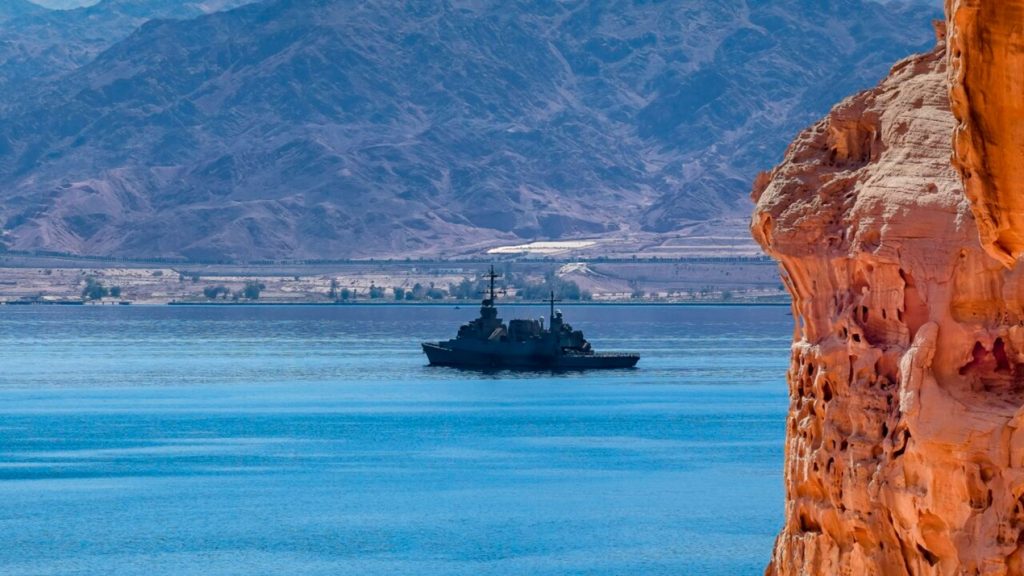
Middle Eastern nations are reshaping their defense frameworks with a Saudi-led 15-nation maritime coalition. Aimed at safeguarding critical Red Sea trade routes, this regional initiative signals a strategic transition away from reliance on foreign militaries to independently secure vital global shipping lanes.