The Supreme Court opens its new term on 5 October with only 30 cases accepted, about half a normal load. Recent years were crowded with fights over Donald Trump and presidential power. This calendar looks quieter on paper. Climate claims, gun bans, and pieces of the immigration agenda still sit on the merits docket, the path that produces binding precedent after briefing and argument. The justices can add more. Alongside that work, the emergency docket keeps issuing temporary orders on mail-in voting and the White House ballroom without settling the law for good.
Immigration on a fast track
Two disputes would lock in how far removal policy can go. In Department of Homeland Security v. D.V.D., the administration expanded removals to third countries, places where the person has no ties. Officials say statute allows it. Migrants say the practice breaks due process and the United Nations Convention Against Torture, which became federal law in 1994. The court already stayed a lower court judgment and set argument for December, with three justices against the stay. It has not yet decided whether the policy is lawful.
Rhoney v. Barbosa da Cunha challenges a directive to hold arrested noncitizens without bond, including people who have lived in the country for years. Before the shift, many could seek release if they were not flight risks. Appeals courts have divided, with the 2nd, 6th, and 11th circuits against the policy and the 5th and 8th for it. Together the two cases will shape enforcement long after any single raid.
States test the court’s new tests
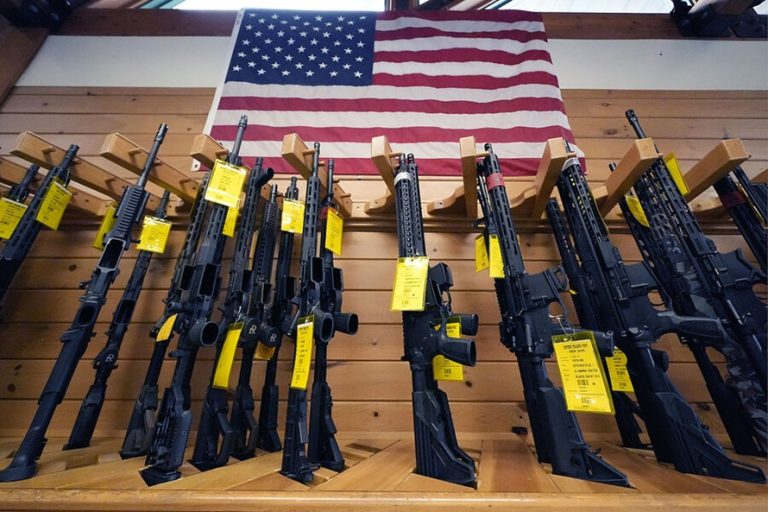
Viramontes v. Cook County asks whether Illinois can ban possession of AR-15-style rifles and similar guns. The 2022 Bruen decision created a history-and-tradition test that scrambled lower courts. However the justices rule, the result reaches millions of owners. Estimates put that rifle in the hands of about 1 in 20 adults.
Suncor Energy v. Boulder County, argued on the first day, asks whether a Colorado locality can sue an energy company in state court for climate damages. Boulder has pressed the claim since 2018. Suncor wants the Colorado Supreme Court reversed. Justice Samuel Alito recused, so a four-to-four split would leave the state ruling in place without national precedent.
Other petitions wait. Texas families ask the court to strike a law requiring the Ten Commandments in public schools, against a 1980 ruling that barred a similar Kentucky mandate. The administration also filed to defend a ban on service by people with gender dysphoria. A thin docket can still redraw the limits of state power and executive force.
Original analysis inspired by Henry Gass from The Christian Science Monitor. Additional research and verification conducted through multiple sources.