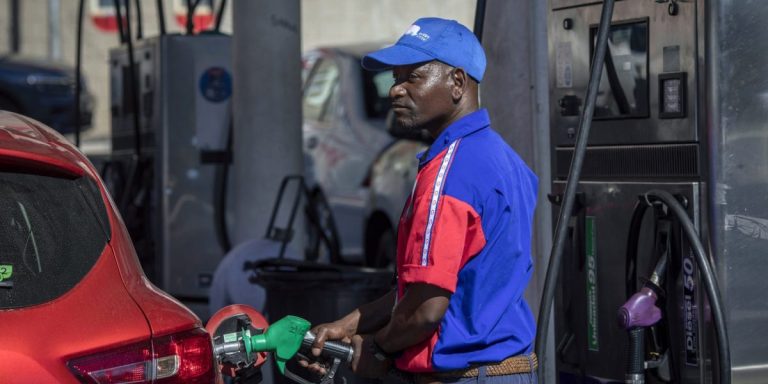
The rapidly expanding military confrontation involving Washington, Tel Aviv, and Tehran is sending severe economic shockwaves across the Global South. African nations find themselves heavily exposed to the sudden spike in global energy and agricultural costs resulting from the conflict. As military operations disrupt major supply routes, import-dependent economies face surging domestic inflation and steep drops in their currency valuations. Consequently, governments must urgently implement defensive financial strategies to protect their most vulnerable populations from widespread economic collapse.
Immediate crisis management requires heavily indebted nations to secure breathing room from their external obligations. Financial planners are increasingly pressing international lenders for temporary moratoriums on sovereign repayments, mirroring the emergency debt relief measures deployed during the previous global health emergency. Without a synchronized pause in debt servicing, central banks cannot reallocate sufficient foreign exchange to maintain baseline imports of fuel, wheat, and commercial fertilizers. Securing these vital commodities remains the paramount priority to prevent food insecurity and civilian unrest.
Overhauling Global Financial Architecture
The current geopolitical instability exposes deep structural flaws within traditional lending hierarchies. Legacy institutions traditionally operate under a rigid framework that guarantees them absolute priority during repayment cycles. However, finance ministers across the continent are now openly questioning this governance structure, arguing that major multilateral lenders must absorb a fairer share of the financial fallout. Instead of extracting capital during a global crisis, these organizations face growing pressure to facilitate innovative financial instruments, including large-scale debt-for-development swaps.
Protecting regional economies also demands a radical shift away from dollar-denominated liabilities. Borrowing exclusively in foreign currencies leaves developing nations exceptionally vulnerable to sudden shifts in western monetary policy and unpredictable market shocks. To counter this exposure, policymakers are urging international creditors to help convert existing obligations into local currencies at sustainable borrowing rates. Concurrently, leaders are accelerating the deployment of an independent stability mechanism designed to provide a regional safety net free from external political conditionalities.
Strengthening domestic capacity presents another crucial avenue for long-term economic resilience. Rather than relying entirely on western capital, governments are directing focus toward homegrown development banks to finance critical infrastructure projects. By ensuring these regional entities maintain strict developmental mandates, nations can avoid opaque loan agreements that historically favored foreign contractors. This internal consolidation signals a broader strategic pivot toward genuine financial sovereignty across the continent.
Ultimately, surviving the current geopolitical storm requires rewriting the rules of international economic engagement. Stamping out the systemic capital flight that continuously drains local treasuries will require binding global cooperation, particularly through upcoming international tax cooperation treaties. If regional leaders successfully leverage this crisis to force structural reforms, the continent could emerge with a far more resilient and equitable economic foundation.
Original analysis inspired by South African Institute of International Affairs from SAIIA. Additional research and verification conducted through multiple sources.