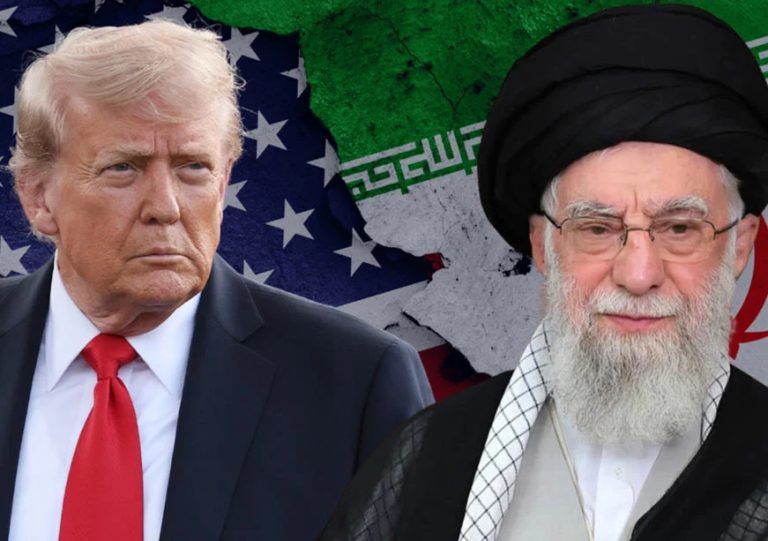
The recent deployment of a US carrier group to Middle Eastern waters has reignited a debate that many hoped was settled. While the White House suggests military options remain on the table to protect Iranian protesters, military planners recognize a fundamental shift in the regional balance of power. Iran represents a category of adversary that the United States has not faced in decades, possessing a sophisticated blend of conventional hardware and unconventional reach.
Geography dictates destiny in any potential ground campaign. Unlike the flat, open deserts of Iraq that allowed for rapid armored advancement, Iran is defined by the Zagros Mountains and the Alborz range. These natural fortresses provide the IRGC with an ideal environment for guerrilla tactics and long-range artillery concealment. Moving a modern army through these narrow passes would turn high-tech convoys into vulnerable targets.
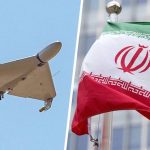
Tehran’s military evolution has focused heavily on asymmetric warfare. They have moved beyond simple defenses, developing one of the largest missile stockpiles in the region and experimenting with hypersonic technology. This capability was recently signaled when Iranian systems successfully challenged integrated air defenses during regional skirmishes. Such tools allow Tehran to threaten targets far beyond its own borders, including critical infrastructure across the Persian Gulf.
The Regional and Global Shield
A strike on Iran would not be a contained event. The so-called Axis of Resistance—a network of proxies including Hezbollah and Ansarallah—functions as a forward-deployed defense force. These groups have already demonstrated their ability to disrupt maritime trade and target regional bases. An attack on the center would likely trigger a synchronized response from Lebanon to Yemen, forcing the U.S. into a multi-front conflict it is ill-prepared to manage.
The diplomatic environment has also shifted toward a multipolar reality. Iran is no longer isolated; it has tightened its military and energy ties with Russia and China. Beijing views Iran as a cornerstone of its Belt and Road initiative, while Moscow provides technology transfers in exchange for tactical support. This “multipolar shield” means any unilateral U.S. action would face economic and cyber retaliation from other world powers, significantly raising the price of intervention.
Perhaps the most significant deterrent is the global economy. Iran’s proximity to the Strait of Hormuz gives it a literal stranglehold on world energy. Even a minor disruption in this narrow waterway could send oil prices soaring past $110 a barrel, triggering a global inflationary shock. For nations already struggling with fiscal stability, the collateral damage of a Persian Gulf war would be far more devastating than the conflict itself.
Ultimately, the lessons of the last twenty years suggest that rapid regime change is an illusion. A fragmented Iran would not lead to a pro-Western democracy but to a massive power vacuum in the heart of the world’s energy supply. Policymakers must decide if the pursuit of a tactical victory is worth the risk of a generational global crisis.
Original analysis inspired by Sabine Ameer from Observer Research Foundation. Additional research and verification conducted through multiple sources.