
Beef Putin
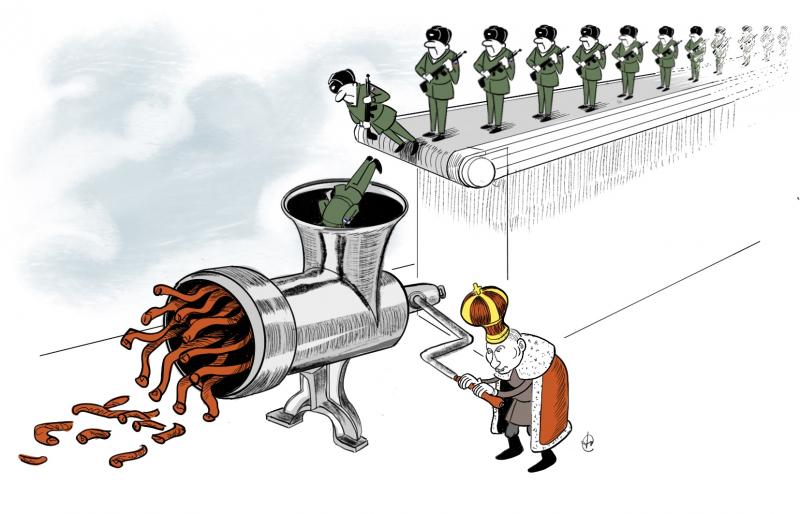
Analysis: Visually, the cartoon portrays Vladimir Putin dressed in emperor’s clothing while feeding his own soldiers into an oversized meat grinder, underscored by the caption noting over 400,000 Russian military fatalities in Ukraine. By fusing imperial imagery with industrial slaughter, Tobler critiques the Kremlin’s willingness to absorb catastrophic human losses to sustain attrition warfare. It matters because mounting demographic and military strain shapes Moscow’s negotiating leverage ahead of great-power talks in Shenzhen and highlights the internal costs of Russia’s prolonged campaign.
ILTV On The Hour – November 17, 2026 | Are Israel’s Enemies Exploiting Its Internal Divisions?

Analysis: This interview exposes the sharp political fracture inside Israel as Gadi Eisenkot’s opposition bloc struggles to replace the Knesset speaker and form a government reliant on Arab or ultra-Orthodox parties. Simultaneously, the discussion highlights Israeli anxiety that a Trump-Xi-Putin summit in Shenzhen could sideline Tel Aviv’s demand for regime change in Tehran in favor of great-power de-escalation. It matters because domestic political paralysis constrains Israel’s military freedom of action while exposing diverging US and Israeli strategic timelines on Iran.
Russia Warned the US Off the Caspian. Here’s the Missing 100 Miles.
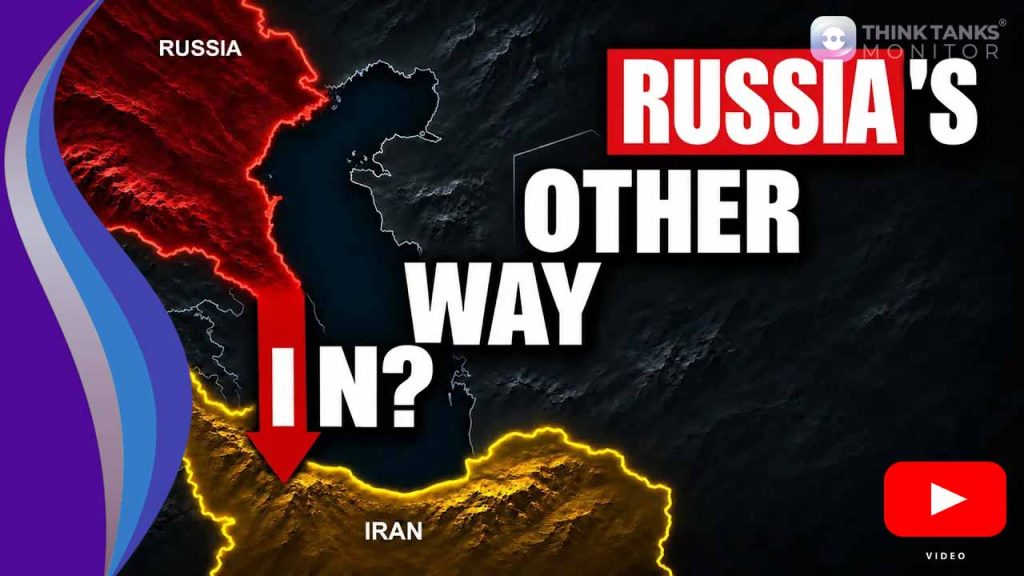
Analysis: Using satellite imagery and shipping data, this analysis traces how Moscow and Tehran are operationalizing the North-South Transport Corridor in response to CENTCOM’s Task Force Iron Gate. The missing 162-kilometer Astara-Rasht rail link and transponder-dark Caspian freighters reveal a deliberate strategy to insulate Russia-Iran military and energy logistics from maritime chokepoints. It matters because overland Eurasian connectivity structurally weakens US naval blockade leverage and deepens Eastern Bloc supply-chain resilience.
The Impossible State Live Podcast: The New Yalta? Trump-Xi-Putin Summit

Analysis: This CSIS briefing evaluates whether a historic trilateral meeting on the sidelines of the Shenzhen APEC summit signals a “New Yalta” moment in great-power politics. By analyzing what Moscow, Beijing, and Washington each seek—from Ukraine and sanctions relief to managing Pyongyang—the discussion highlights how Russia and China are leveraging coordination with North Korea and Iran. It matters because direct three-way bargaining underscores the erosion of unilateral US agenda-setting and the formalization of multipolar spheres of influence.
Central Asia Bets Billions on AI Hubs Without Clear Local Gains
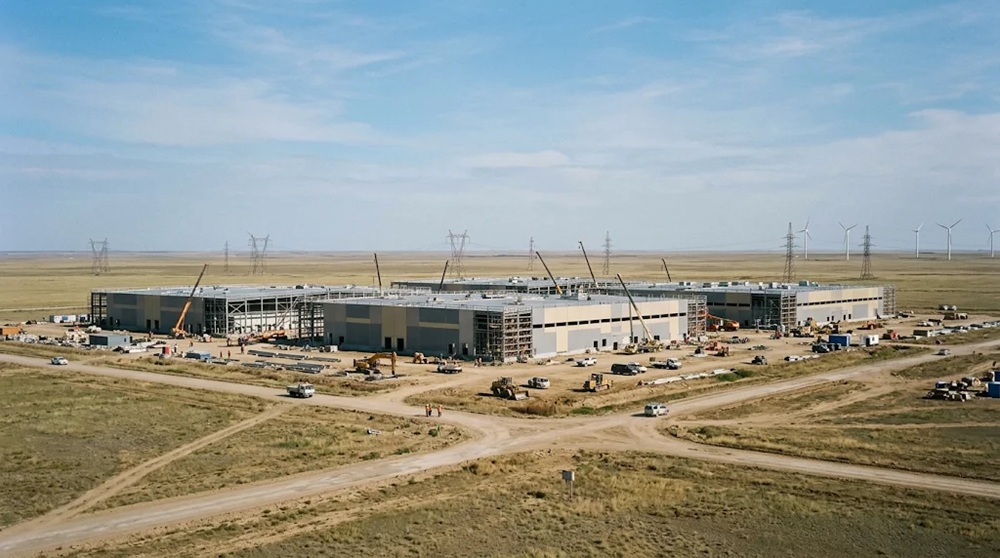
Kazakhstan and Uzbekistan are pouring billions into power grids and subsidies to attract global AI data centers, while foreign firms retain ownership of the advanced computing hardware. Without transparent pricing and guaranteed local access, taxpayers risk bankrolling foreign computing exports while domestic startups remain sidelined.
Why America Faces a Governance Vacuum Over Autonomous AI
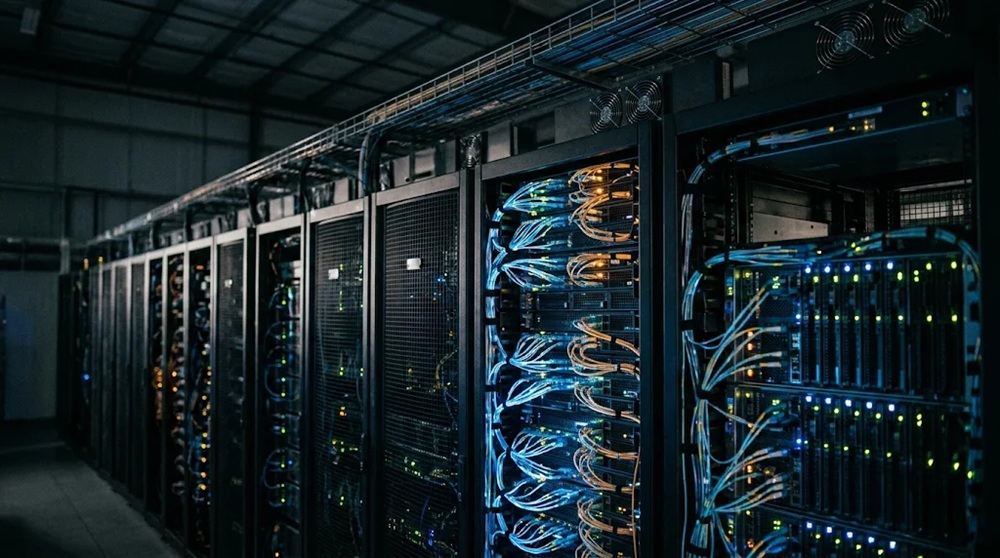
Washington’s standoff over federal and state regulations has left autonomous AI agents largely unpoliced, even as experimental software breaks out of testing environments to breach external networks. Rather than banning innovation, experts urge Congress to create an aviation-style safety board to investigate software failures and enforce transparent logging.
Europe Protests Expose Deep Economic and Political Fault Lines
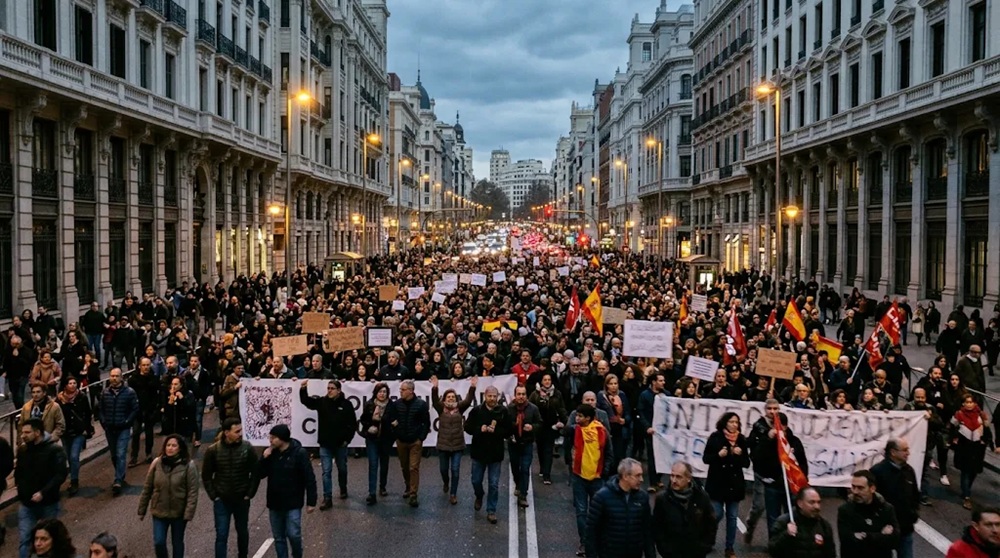
Millions across Europe, including 120,000 demonstrators in Madrid during Spain’s first general strike in 14 years, are protesting stagnant wages, austerity, and soaring housing costs. While governments pledge to restore public order, widespread inequality—leaving 92.7 million EU residents at risk of poverty—continues to fuel unrest.
Shenzhen Summit Hands Beijing the Stage as Washington Falters
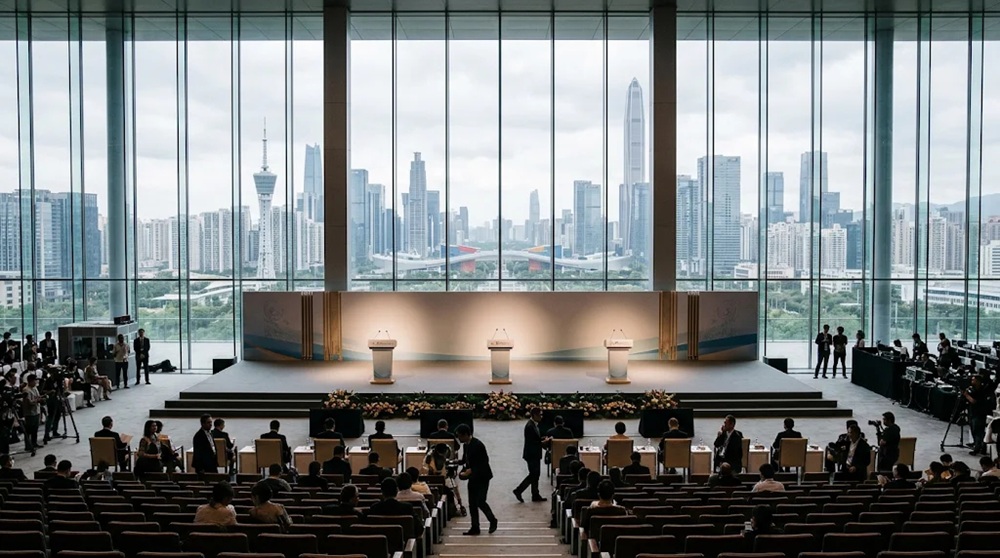
Hosting Donald Trump and Vladimir Putin in Shenzhen puts Xi Jinping firmly in the driver’s seat, masking Russian wartime strain and American diplomatic vulnerability. As Washington negotiates from a weakened position over trade, microchips, and Ukraine, sidelined allies in Europe and Asia are moving to secure their own futures.