Tag: Ukraine

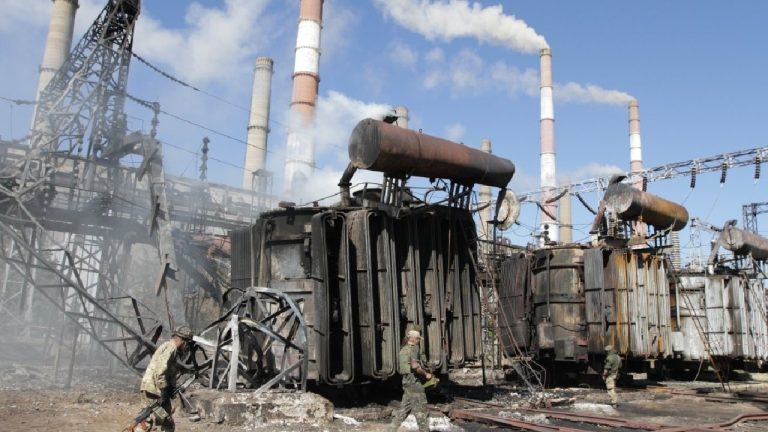
A wide shot of a heavily damaged industrial power plant in Ukraine, showing collapsed roofs, charred metal structures, and debris scattered across the site.

Ukraine War Exposed the Failure of Western Deterrence Assumptions

In January 2026, the strategic fallout from the Ukraine war has fundamentally dismantled the “post-Cold War” playbook. Western leaders now operate under a new, grimmer set of assumptions: that war is a contest of industrial stamina, not just initial tech; that economic ties can be weapons of coercion; and that “red lines” mean nothing without the munitions to back them up.

Read More »
Donald Trump speaking at a podium with a large poster of a naval ship and the Statue of Liberty in the background.

What 2026 Holds for International Security and Economics

As we enter the first week of January 2026, the global landscape is defined by the fallout from the U.S. military operation in Venezuela and a critical “election-year” posture from Washington. The year ahead suggests a shift from the post-war multilateral order toward a more transactional, high-stakes era of “sovereignty-first” politics.

Read More »
A group of military personnel in blue and green flight suits standing in formation.

Ukraine’s Defense Innovations Present Critical Lessons for Taiwan’s Security Strategy

In January 2026, the security of Taiwan is being redefined by “battlefield truths” exported from Ukraine. As Taipei faces intensifying pressure from Beijing—most recently via the “Justice Mission 2025” drills—it has fundamentally pivoted its defense strategy toward asymmetric “porcupine” warfare, prioritizing millions of low-cost drones over traditional “big toy” platforms like submarines and fighter jets.

Read More »
The US Capitol Building illuminated at night with a blurred American flag in the foreground.

Restraint Foreign Policy in 2025: Five Successes and Five Failures

In 2025, the “America First” foreign policy yielded a contradictory scorecard of five successes and five failures. While the administration successfully pivoted toward a more realistic National Security Strategy and engaged in pragmatic diplomacy with Russia, Belarus, and the Houthis, it simultaneously stumbled into escalatory patterns in Iran, Venezuela, and Syria.

Read More »
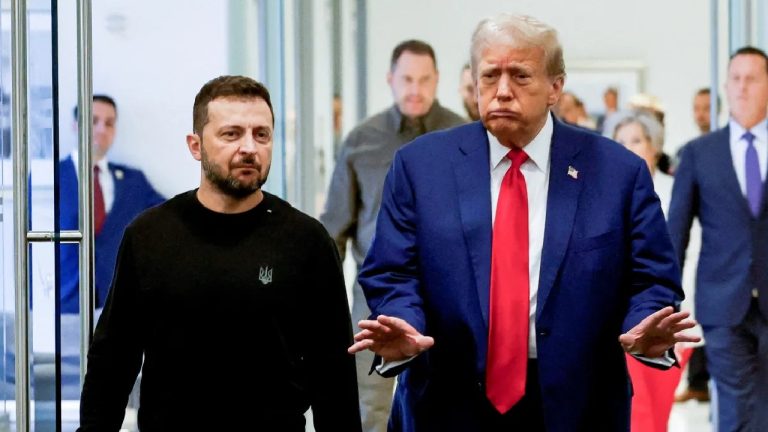
Donald Trump in a blue suit and red tie walking alongside Volodymyr Zelenskyy in a black sweatshirt through a modern hallway.

Trump’s Transactional Approach: Negotiating an End to the Ukraine War

Trump’s 2025 peace push centers on a transactional deal trading Ukrainian NATO aspirations for long-term U.S. security guarantees. The framework involves potential territorial concessions in Donbas and a national referendum, shifting away from previous demands for full Russian withdrawal to prioritize a rapid, comprehensive end to the war.

Read More »
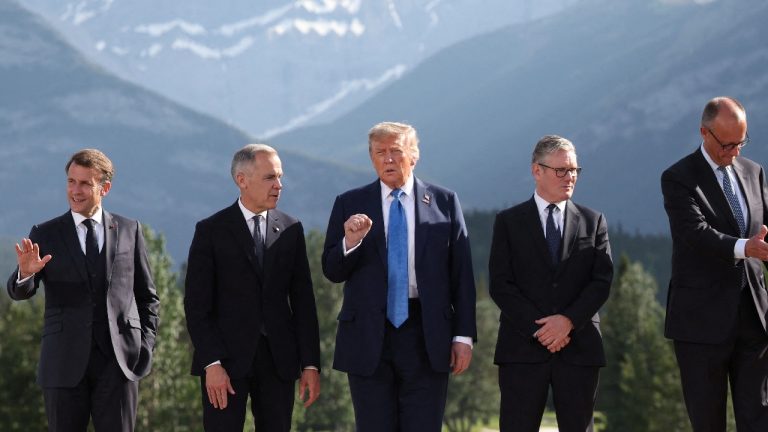
A line of European leaders and Donald Trump walking together outdoors, with Trump in the center

European Silence After Trump’s National Security Strategy Reveals Strategic Paralysis

Washington’s December 4th National Security Strategy, which emphasizes “cultivating resistance” in Europe and warns of “civilizational erasure,” has elicited a near-silent response from European governments. This silence reflects a deeper paralysis, as they acknowledge the need for a fundamental transformation of their security architecture but struggle to establish a unified vision for independent action.

Read More »
US and Ukrainian flags flying side-by-side on a pole, with the dome of the US Capitol Building blurred in the background

The Illusion of Peace: Why Washington’s Rush to Deal Risks a Continental Collapse

The current diplomatic efforts for a ceasefire in Ukraine seem more focused on creating a favorable public image than achieving true stability. The Trump administration’s push for a swift resolution to the ongoing conflict appears motivated by a desire for a political legacy rather than the realities on the ground. By seeking a quick solution instead of a sustainable security framework, the U.S. risks providing the Kremlin with a strategic advantage, potentially destabilizing the European Union and leaving Ukraine vulnerable to future attacks.

Read More »