Tag: Trump Foreign Policy

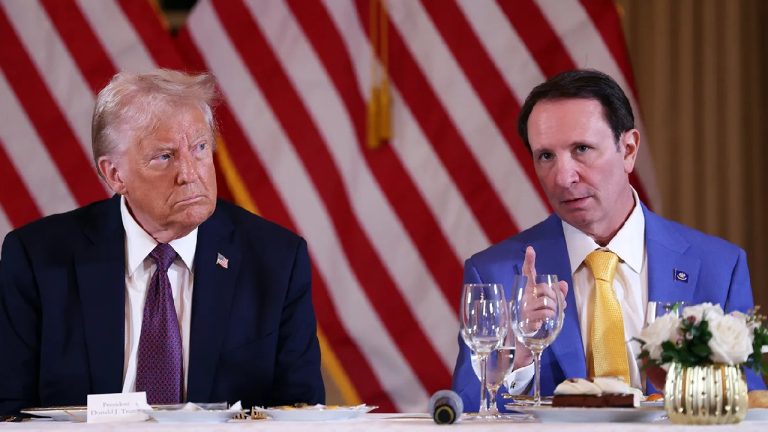
Donald Trump and Jeff Landry sitting at a formal dinner table with American flags in the background.

Trump Administration Escalates Greenland Campaign as Denmark Pushes Back

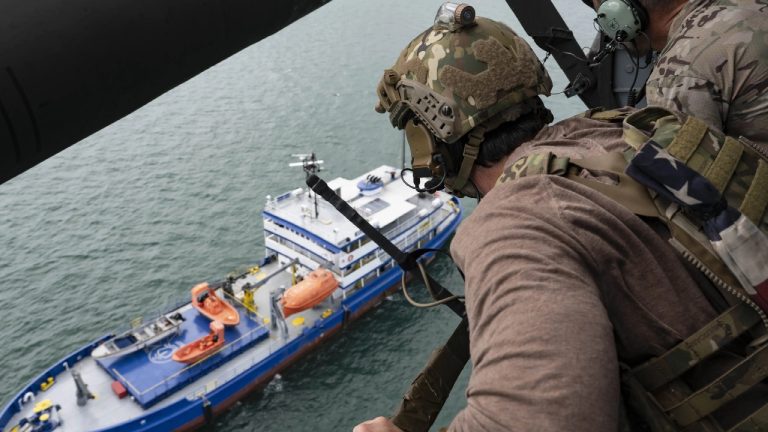
In January 2026, the diplomatic rift between the United States and the Kingdom of Denmark has escalated into a full-blown security crisis. The catalyst for this friction was the January 3rd capture of Nicolás Maduro in Venezuela (Operation Absolute Resolve), which emboldened the Trump administration to pivot its “transactional realism” toward the Arctic.
Read More »
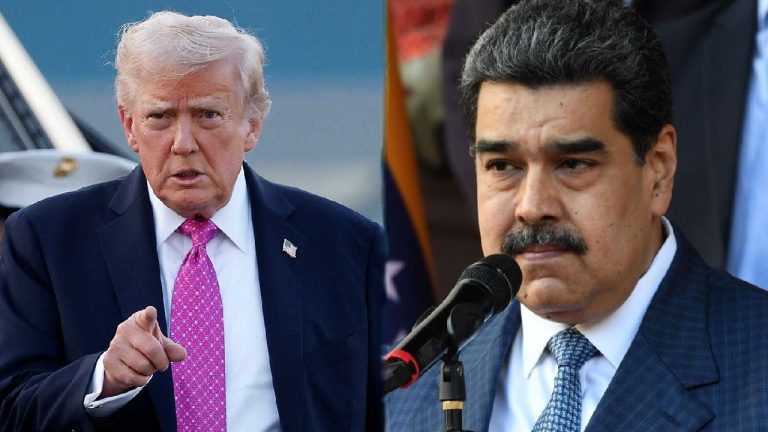
Side-by-side portraits of Donald Trump on the left and Nicolas Maduro on the right.

Trump’s Venezuela Operation Reveals a Pragmatic Foreign Policy Approach

In January 2026, the capture of Nicolás Maduro has fundamentally redefined the “Trump Doctrine,” shifting it from a policy of rhetorical isolationism to one of targeted, high-impact intervention. While the operation—codenamed Operation Absolute Resolve—was tactically swift, its geopolitical implications are expansive. It signals a move away from the “forever wars” of the past two decades toward a “transactional realism” that uses overwhelming force for specific, finite objectives.

Read More »
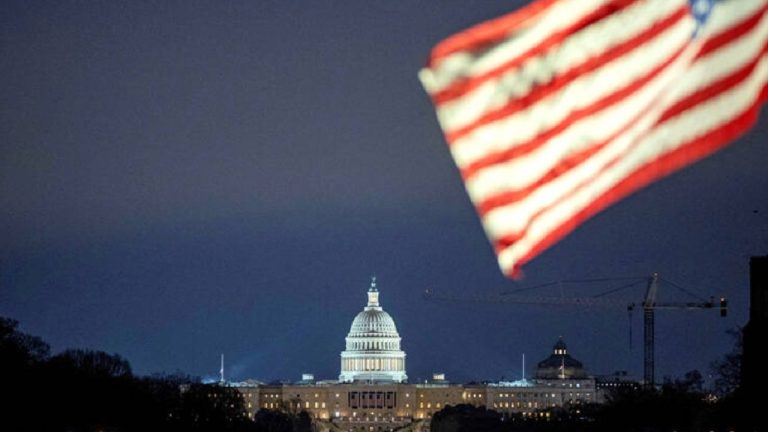
The US Capitol Building illuminated at night with a blurred American flag in the foreground.

Restraint Foreign Policy in 2025: Five Successes and Five Failures

In 2025, the “America First” foreign policy yielded a contradictory scorecard of five successes and five failures. While the administration successfully pivoted toward a more realistic National Security Strategy and engaged in pragmatic diplomacy with Russia, Belarus, and the Houthis, it simultaneously stumbled into escalatory patterns in Iran, Venezuela, and Syria.

Read More »
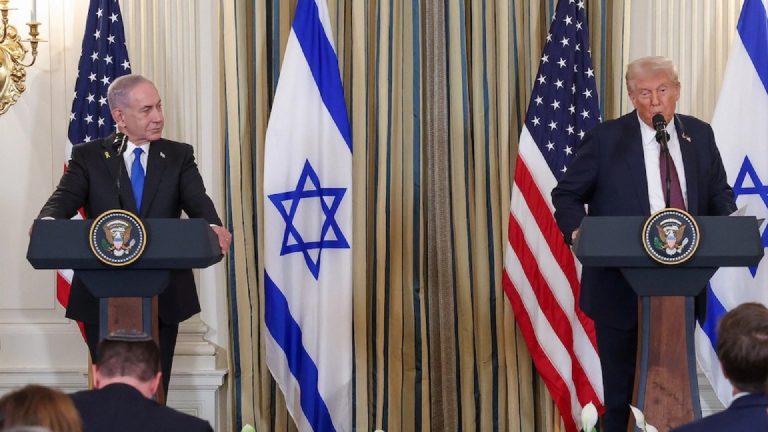
Trump and Netanyahu

Trump’s Gaza Stabilization Force Faces ‘Peace Enforcement’ Deadlock

The adoption of UN Security Council Resolution 2803 signifies a diplomatic win for the Trump administration, endorsing the “20-point plan” for Gaza. However, the initiative faces challenges due to major Arab powers’ refusal to participate in “peace enforcement” against Hamas, which may hinder the deployment of the authorized International Stabilization Force (ISF) aimed at securing the region.

Read More »