Tag: Trump Administration

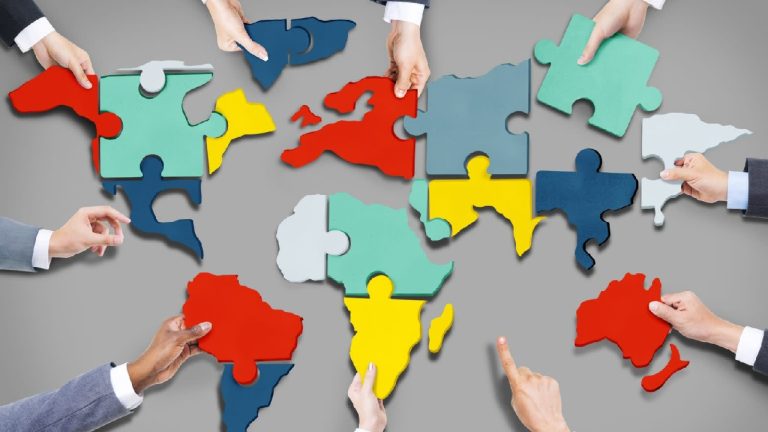
Hands of various people assembling a world map made of colorful puzzle pieces on a grey background.

Regional Cooperation Emerges as Multilateralism’s Lifeline

By early 2026, the global order has moved from a “unipolar” or “multilateral” system toward a fragmented regionalism. With the United States actively dismantling its participation in international organizations, regional blocs have transformed from secondary partners into the primary guarantors of trade, security, and technological standards.
Read More »
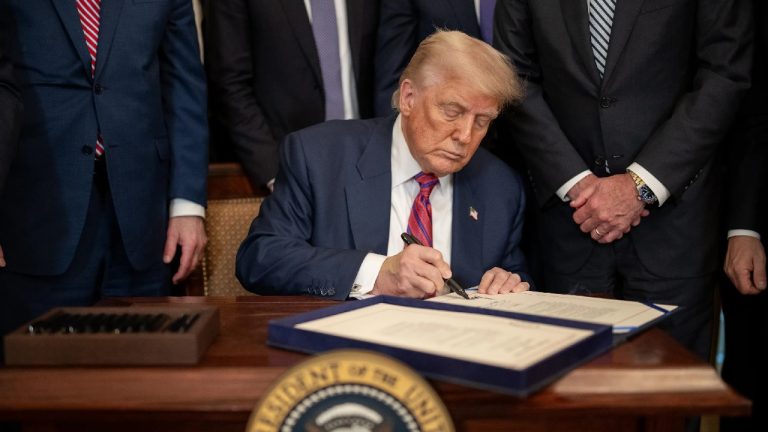
Donald Trump sitting at a dark wooden desk, focused on signing a formal document with a black pen, surrounded by people in suits.

Pacific-Centered Strategy: Trump’s National Security Approach Redefines Global Competition

Trump’s 2025 National Security Strategy prioritizes economic competition over ideological warfare, reframing China as a commercial rival rather than a systemic threat. By reviving the Monroe Doctrine and demanding allies triple defense spending, the administration seeks “low-cost hegemony” while shifting America’s strategic center of gravity toward the Pacific Rim.

Read More »
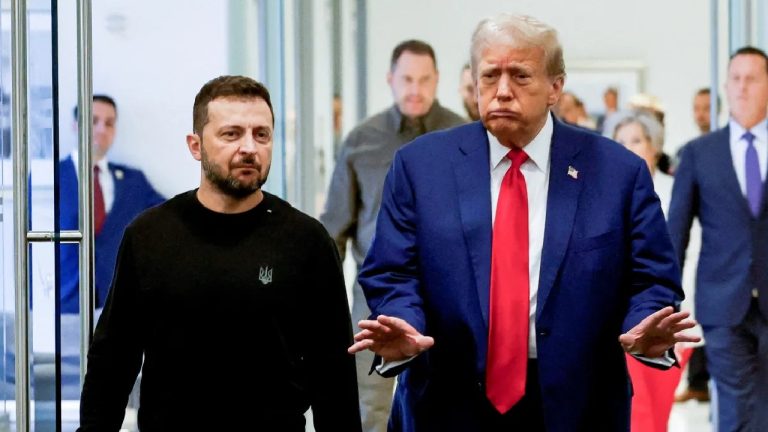
Donald Trump in a blue suit and red tie walking alongside Volodymyr Zelenskyy in a black sweatshirt through a modern hallway.

Trump’s Transactional Approach: Negotiating an End to the Ukraine War

Trump’s 2025 peace push centers on a transactional deal trading Ukrainian NATO aspirations for long-term U.S. security guarantees. The framework involves potential territorial concessions in Donbas and a national referendum, shifting away from previous demands for full Russian withdrawal to prioritize a rapid, comprehensive end to the war.

Read More »
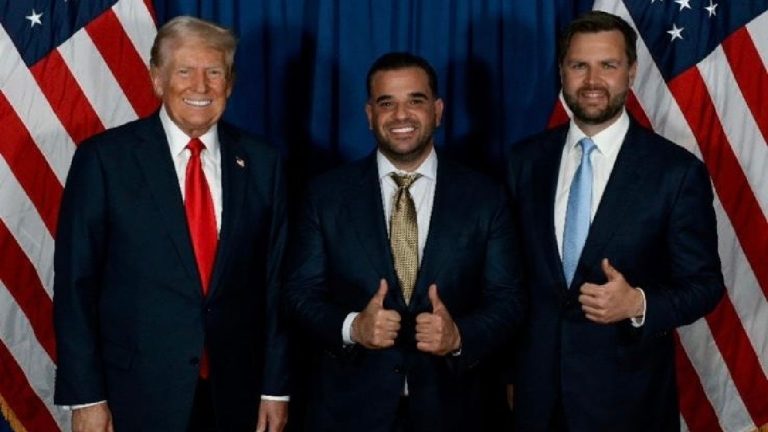
Donald Trump, Mark Savaya, and JD Vance standing together and smiling in front of American flags.

Trump’s Iraq Strategy: Unconventional Envoy Appointment Signals Transactional Diplomacy Shift

In a major shift toward “business-oriented diplomacy,” President Trump has appointed Detroit entrepreneur Mark Savaya as the U.S. Special Envoy to Iraq. A Chaldean-American with deep regional ties but no traditional diplomatic background, Savaya is tasked with stabilizing Iraq’s economy and curbing Iranian influence. His mission—focused on disarming militias and opening Iraqi oil and energy markets—signals a pragmatic, deal-driven era for U.S.-Iraq relations that prioritizes economic sovereignty over conventional foreign policy.

Read More »
3D silver numbers "2026" placed on a dark surface with a glowing blue financial growth chart in the background.

Policy Volatility Clouds 2026 Economic Outlook Despite Growth Optimism

Economic forecasts suggest modest expansion for the US in 2026, with Goldman Sachs estimating a 2.6% GDP growth driven by AI investment. However, ongoing policy uncertainty from the Trump administration may jeopardize these projections, leading to political disruptions influencing midterm election results. Current indicators are favorable for opposition messaging, as negative consumer sentiment persists and inflation remains a top concern. GDP growth for 2025 is projected at 2%, lower than Biden’s last two years, while unemployment has increased from 4% at Biden’s exit to 4.6% currently.

Read More »
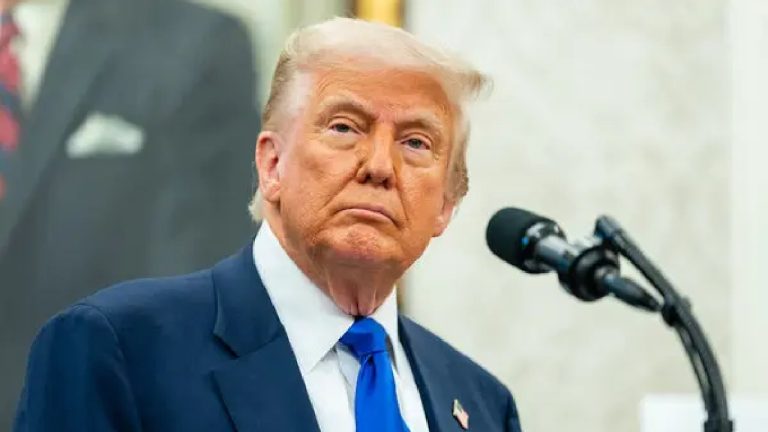
Close-up portrait of Donald Trump looking contemplative during a press conference with a microphone in the foreground.

Trump’s Cultural Momentum Collapses as Economic Reality Contradicts Electoral Narrative

The post-2024 rise of “Trumpism” in corporate America has significantly waned within a year. As of December 21, Trump’s approval rating stands at 42.8%, with 54% disapproving, while his economic approval plummets to 36%, the lowest recorded. The Democratic Party’s success in the November 2025 gubernatorial races in New Jersey and Virginia by substantial margins highlights the disconnection between Republican actions and voter preferences, revealing a backlash against perceived overreach.

Read More »
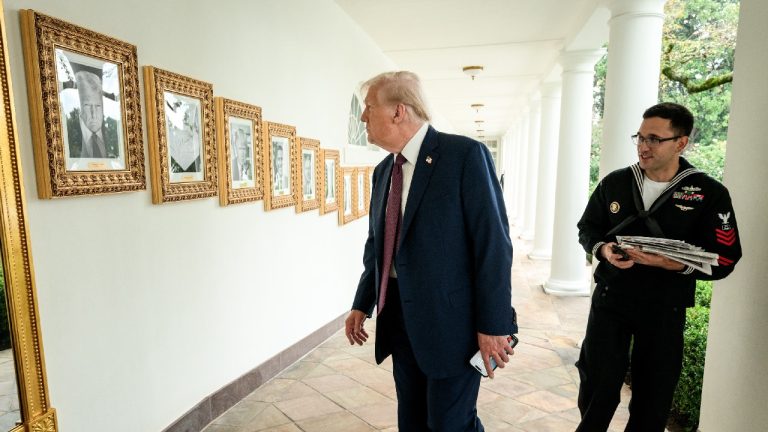
Donald Trump walking down a White House colonnade past framed portraits, followed by a military aide.

Trump Administration Systematically Dismantles Oversight While Claiming Historic Transparency

White House claims of being the most transparent and accessible administration are contradicted by actions that dismantle accountability, such as the dismissal of 17 inspectors general and leaving 75% of those positions vacant. Additionally, the defunding of the Council of Inspectors General and the imposition of media restrictions by the Pentagon have created an accountability vacuum, facilitating unchecked executive action.

Read More »
Donald Trump sitting at his desk in the Oval Office, speaking to a delegation of officials seated across from him

Damascus Gains International Legitimacy Through White House Visit Yet Internal Challenges Persist

Ahmed al-Sharaa’s meeting with President Trump on November 10 marked a significant diplomatic achievement for Syria, resulting in the removal of UN Security Council sanctions and a suspension of the Caesar Act for six months. However, consolidating this international recognition domestically is challenging due to Kurdish forces’ resistance to integration, demands for autonomy from Druze leaders, and Israeli military expansion in southern Syria.

Read More »
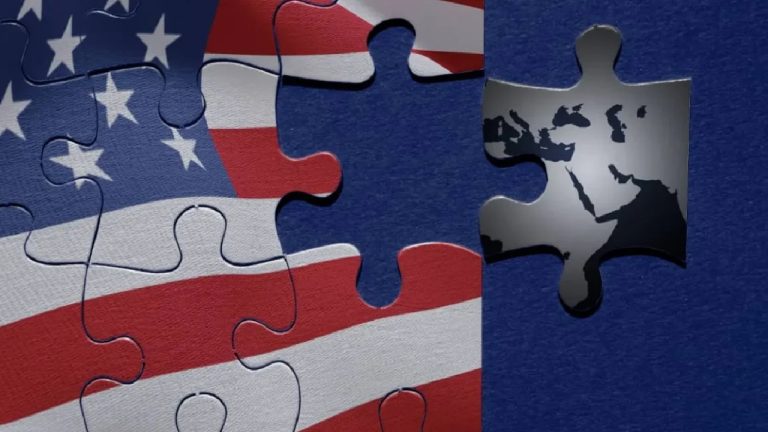
A jigsaw puzzle where the pieces show the American flag, with a missing piece being replaced by a dark piece featuring a map of the Middle East

Business Entanglements Shape American Foreign Policy Execution

The intersection of commercial interests and diplomatic decision-making is a defining feature of current American foreign policy, as evidenced by dropped prosecutions, controversial pardons, and Gulf investments. These cases highlight the influence of personal business relationships on international relations, raising questions about conflict of interest, transparency, and strategic coherence.

Read More »
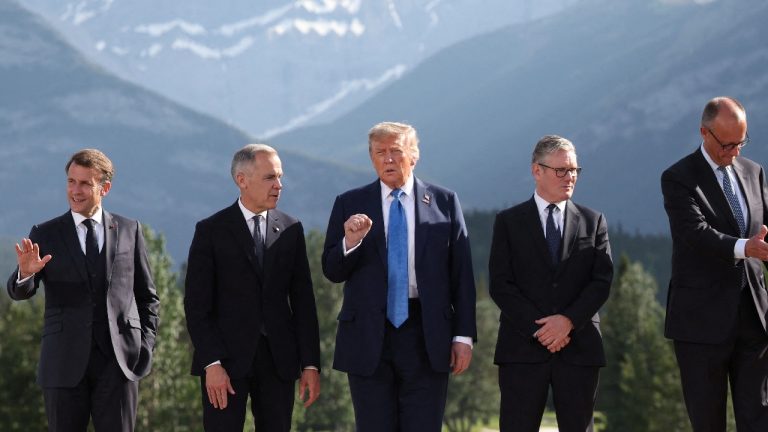
A line of European leaders and Donald Trump walking together outdoors, with Trump in the center

European Silence After Trump’s National Security Strategy Reveals Strategic Paralysis

Washington’s December 4th National Security Strategy, which emphasizes “cultivating resistance” in Europe and warns of “civilizational erasure,” has elicited a near-silent response from European governments. This silence reflects a deeper paralysis, as they acknowledge the need for a fundamental transformation of their security architecture but struggle to establish a unified vision for independent action.

Read More »