Tag: Trade Policy

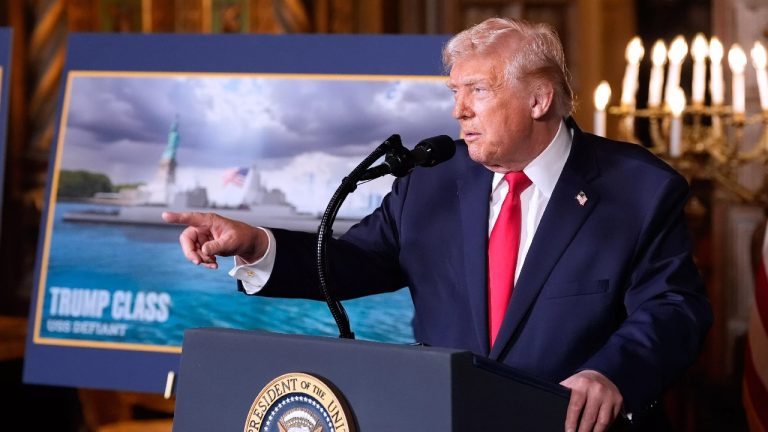
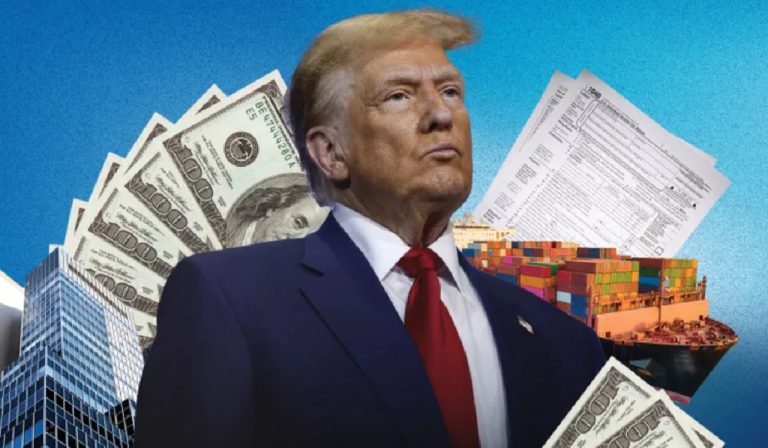
Donald Trump speaking at a podium with a large poster of a naval ship and the Statue of Liberty in the background.

What 2026 Holds for International Security and Economics

As we enter the first week of January 2026, the global landscape is defined by the fallout from the U.S. military operation in Venezuela and a critical “election-year” posture from Washington. The year ahead suggests a shift from the post-war multilateral order toward a more transactional, high-stakes era of “sovereignty-first” politics.

Read More »
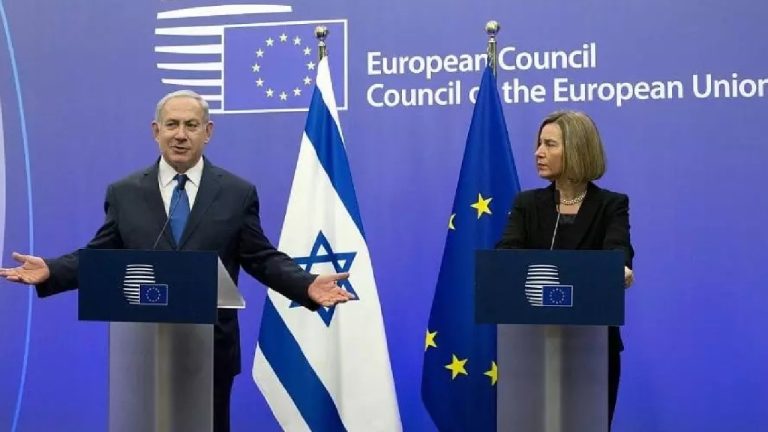
Benjamin Netanyahu and Federica Mogherini standing behind blue podiums with the European Council logo during a press conference, with Israeli and EU flags in the middle.

Evolving Diplomatic Dynamics: European-Israeli Relations Under Pressure

Rising tensions over Gaza and West Bank settlements have forced a reassessment of the EU-Israel Association Agreement. While Spain, Ireland, and Norway’s recognition of Palestine marks a diplomatic rift, the EU remains Israel’s largest trading partner. Future cooperation faces a deadlock between legal obligations to the ICJ and internal opposition from pro-Israel members like Germany and Hungary.

Read More »
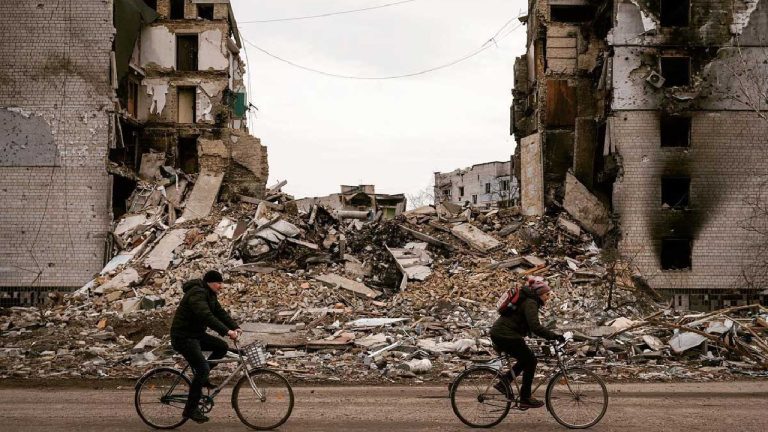
Two people riding bicycles past a heavily destroyed apartment building in a war zone.

European Strategic Decline: Three Concurrent Crises Reshape Global Power Dynamics

Three key geopolitical events in 2025 have shifted Europe’s role from an aspiring strategic player to a subordinate partner reliant on external powers. The military defeat in Ukraine, technological dependence on China, and economic capitulation to the United States expose deep structural vulnerabilities that years of integration did not resolve, resulting in Europe’s reduced influence amid increasing global competition.

Read More »
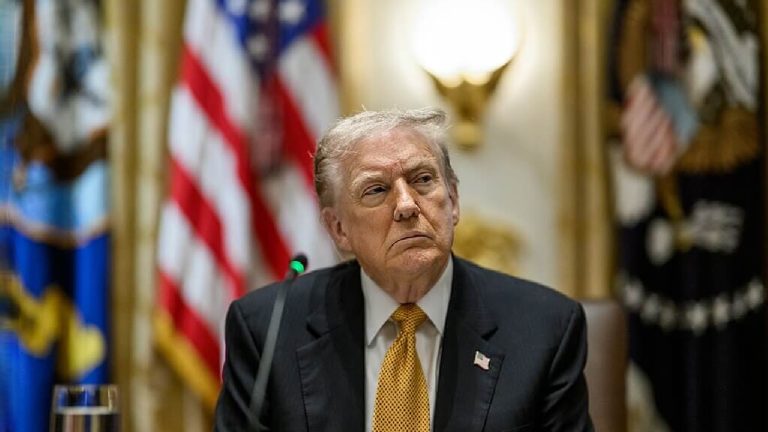
Donald Trump seated at a formal table, looking serious, with American flags visible in the background

Trump’s 2025 Strategy: The End of American Primacy and the Rise of Transactional Realism in Asia

The Trump administration’s 2025 National Security Strategy signifies a significant break from the post-World War II international order by rejecting the aim of “permanent American domination” and shifting towards a focus on reindustrialization and “America First” policies, moving the U.S. from upholding norms to aggressive commercial competition in the Indo-Pacific.

Read More »
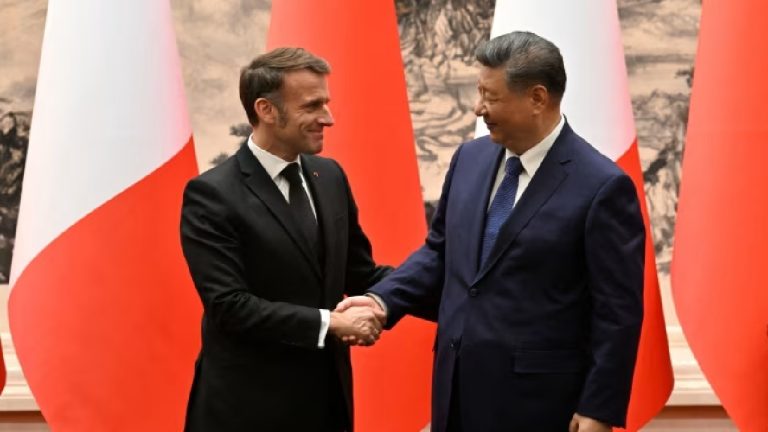
French President Emmanuel Macron and Chinese President Xi Jinping shaking hands and smiling warmly in front of national flags.

Paris Pursues Investment Reversal as European Industrial Model Faces Chinese Competition

Emmanuel Macron’s December visit to Beijing signified a strategic shift for France, aiming to convert trade deficits into investment chances while addressing European security issues. The trip highlighted key tensions in European-Chinese relations, with Brussels calling for economic rebalancing and Beijing desiring unrestricted market access amidst rising transatlantic trade disputes.

Read More »