Tag: Supply Chain

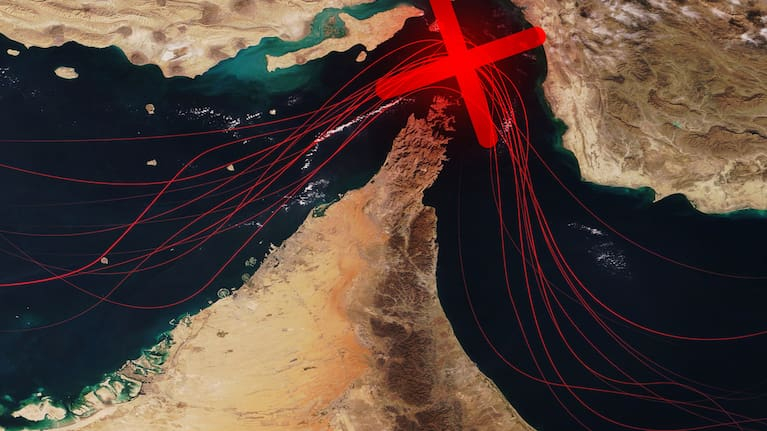
Satellite map of the Persian Gulf with red trajectories crossing through the Strait of Hormuz and a large red 'X'.

Washington’s Retreat From the Strait of Hormuz

The strategic withdrawal of the United States from the Strait of Hormuz—once the bedrock of global energy security—has reached a tipping point. President Trump’s “Go Take It” directive has effectively dismantled the Carter Doctrine, leaving a 40-nation coalition to manage a waterway that has become the world’s most dangerous “insurance trap.”

Read More »
A nighttime view of a city skyline with a large, dark plume of smoke and fire rising from the center. The city lights are visible across the horizon under a dark sky.

When the Strait Closes: Food, Water, and the Hidden Cost of War

The closure of the Strait of Hormuz has triggered a global crisis extending beyond oil, paralyzing a third of the world’s fertilizer trade and threatening desalination plants critical for drinking water. This disruption risks long-term food inflation, compromised harvests, and severe economic strain on millions far from the conflict.

Read More »
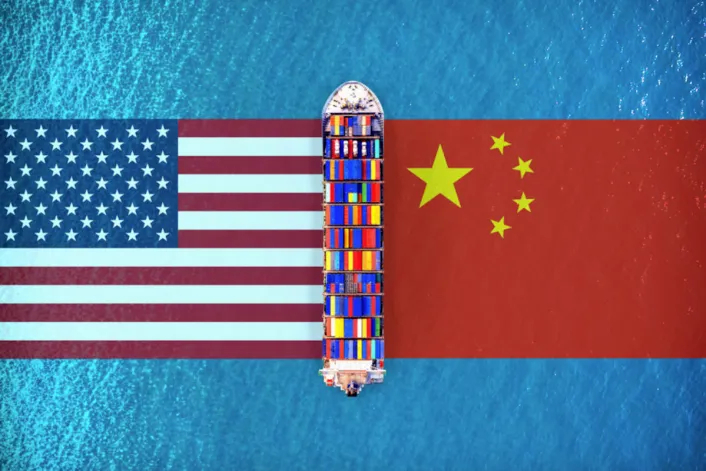
Container ship crossing between the US and Chinese flags representing global trade tensions.

Global Trade Caught Between American Chaos and Chinese Calm

Global trade is being squeezed between U.S. tariff volatility and China’s projection of stability. Trump’s rapid tariff shifts froze the EU’s Turnberry deal and rattled partners from India to ASEAN. Meanwhile, China’s record surplus masks weak domestic demand. For third countries, the real choice is between American policy whiplash and Chinese dependency.

Read More »
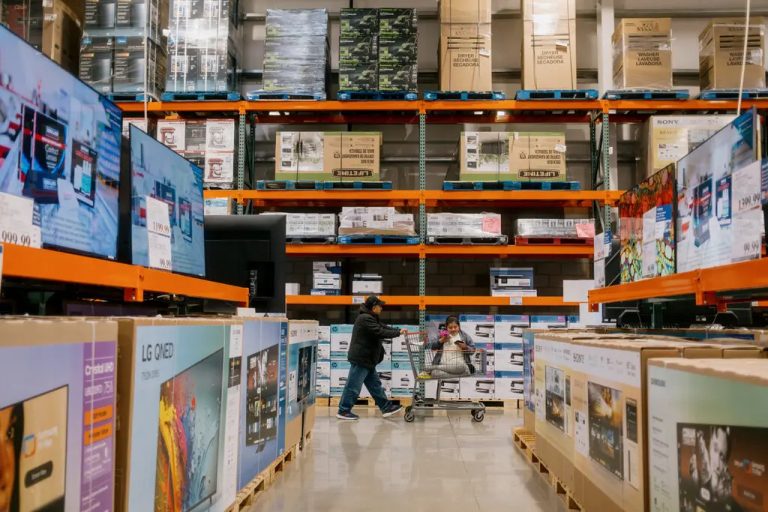
A man in a dark jacket pushing a shopping cart with a small child sitting inside it down an aisle in a large warehouse store, surrounded by high orange shelves stacked with large boxes of appliances and flat-screen televisions.

New Economic Data Shows Americans Pay 90% of Tariff Costs

The newest research from the Federal Reserve Bank of New York confirms what every serious economist already knew: tariffs function as a domestic tax, and American households and businesses pay almost all of it. Between early 2024 and late 2025, roughly 90% of tariff costs stayed inside the United States, mirroring the pattern from the 2018–2019 trade war.

Read More »