Tag: Regional Security

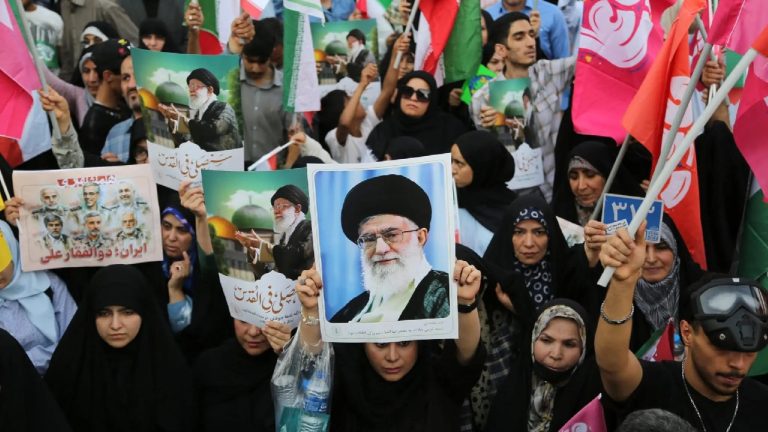
A large crowd of people holding up posters with a portrait of a bearded man in a black turban and glasses.

Strategic Miscalculation: Why Iranian Regime Change Would Destabilize the Region

In early February 2026, the debate over Iranian regime change has moved from theoretical policy papers to an active military and intelligence reality. Following the “Midnight Hammer” strikes of June 2025 and the massive, violent unrest of January 2026, the region stands at a precipice where the collapse of the Islamic Republic is no longer unthinkable, but potentially catastrophic.

Read More »
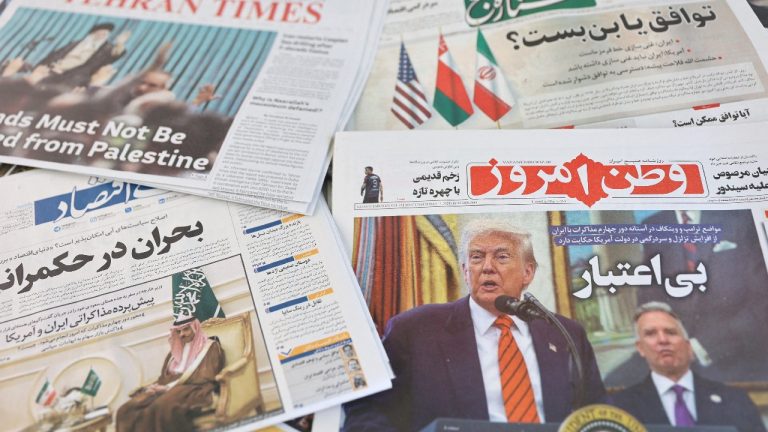
A collection of various Iranian newspapers spread out on a wooden table, featuring headlines in Persian and a prominent photograph of Donald Trump on one of the front pages.

Iran’s Battle for Survival is the Arab World’s Fight Too

In early 2026, the Middle East has entered what analysts describe as a state of “Exhausted Realignment.” Following the kinetic “12-Day War” between Israel and Iran in June 2025 and the fall of the Assad regime in Syria in December 2024, the region is now caught between a “Maximum Pressure 2.0” campaign from Washington and a desperate diplomatic “hedging” strategy by the Gulf states.

Read More »
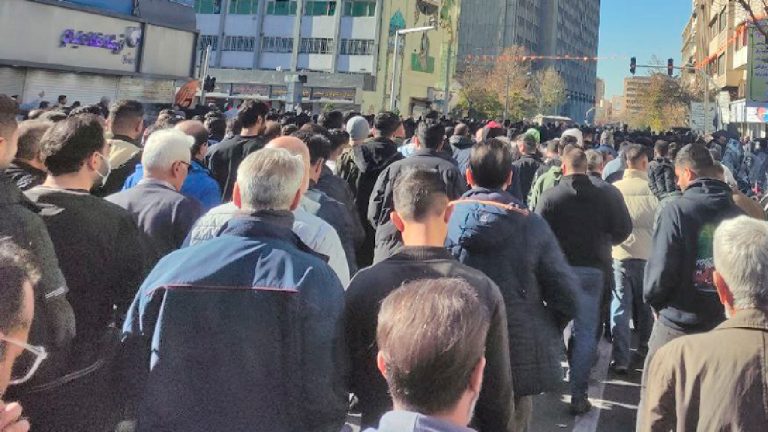
A large crowd of people walking down a city street, viewed from behind.

Iran’s Economic Crisis and Nationwide Protests

The protests that began on December 28, 2025, represent a critical inflection point for Iran, fueled by an economic “perfect storm” that has effectively hollowed out the country’s middle class. As of January 4, 2026, the movement has spread to over 100 locations across 22 provinces, marking it as one of the most geographically expansive challenges to the Islamic Republic since 1979.

Read More »
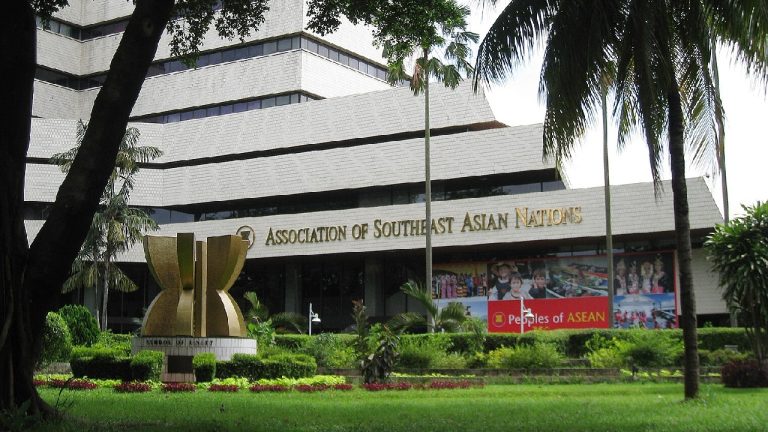
The exterior of the Association of Southeast Asian Nations (ASEAN) headquarters building with lush green landscaping and the "Symbol of Unity" monument.

Indo-Pacific Strategic Geography Challenges US Extended Deterrence Framework

The Indo-Pacific has replaced the Cold War-era European theater as the primary arena for American strategic competition, presenting unique geographic and military challenges. As China targets 2027 for regional dominance and control over Taiwan, the U.S. is rapidly adapting its alliance structures with Japan, Australia, and the Philippines to counter advanced missile threats and navigate a complex new era of nuclear deterrence.

Read More »
A close-up of Donald Trump speaking at a summit table with a "United States" nameplate and a small American flag in front of him

Middle East Strategic Reorientation: From Direct Engagement to Containment

The 2025 National Security Strategy marks a significant shift in U.S. policy towards the Middle East, transitioning from extensive political and military involvement to a limited engagement prioritizing energy security and hindering regional adversaries. This change prompts important inquiries regarding the alignment of the new assumptions with the actual dynamics of the region.

Read More »
A line of Israeli Merkava tanks and a supply truck moving along a paved road next to a barbed-wire border fence

Israeli Military Expansion in Syria Risks Strategic Overextension Despite Initial Advantages

Twelve months after Bashar al-Assad’s fall, Israeli forces have carried out over 600 military operations in Syria, averaging nearly two daily. This extensive campaign, alongside the occupation of territories beyond the 1974 disengagement lines, illustrates a classic pattern of overreach, where tactical dominance leads to strategic vulnerability due to commitments across multiple fronts without clear objectives.

Read More »