Tag: NATO

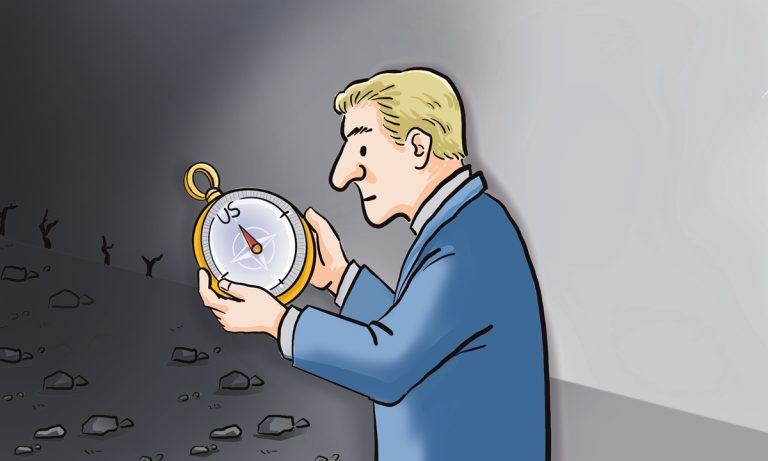
Political cartoon of a European leader looking at a NATO compass pointing toward the US.

Beijing’s Case for a European Break With NATO

China’s state media cast Rubio’s Munich speech as proof Europe should quit NATO, but Europe is rearming within the alliance, not abandoning it. Beijing’s call ignores EU–China trade frictions and Europe’s dependence on Chinese rare‑earths. The real debate is about European autonomy inside NATO — not a break with Washington.
Read More »
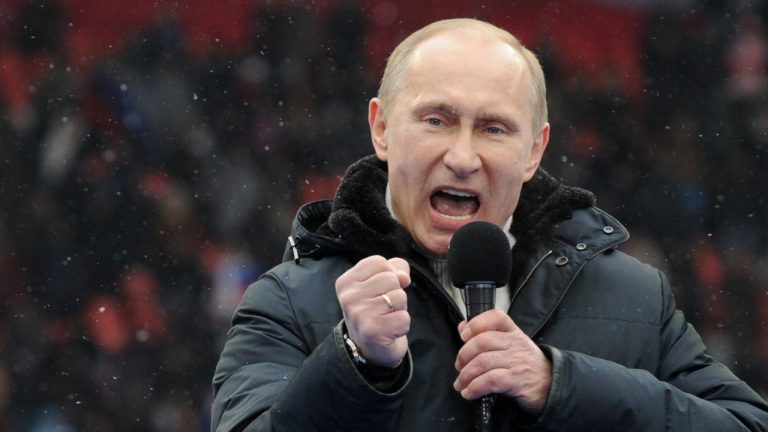
Russian President Vladimir Putin speaking into a microphone with his fist clenched during a large outdoor rally.

Ukraine’s Fifth Year: What Does Putin Actually Want?

Four years in, Russia controls 20% of Ukraine but still lacks its stated goals. Analysts disagree whether Putin seeks limited territorial gains or political control over all of Ukraine. U.S.‑led talks hinge on territorial concessions Kyiv rejects. With no viable security guarantees, the war’s fifth year begins without a credible path to peace.

Read More »
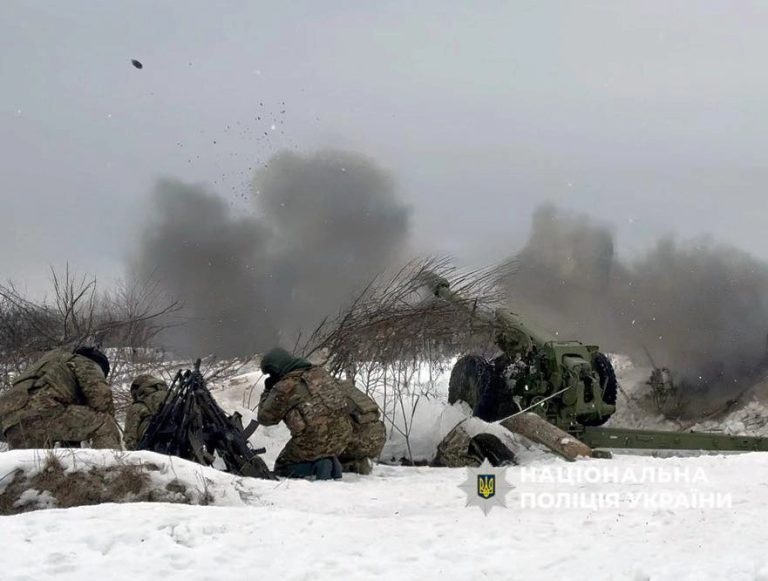
Ukrainian soldiers firing a heavy artillery cannon in a snowy field during the fourth year of the conflict.

Four Years of War: Ukraine Demands Action Over Words

Four years into Russia’s invasion, Ukraine faces a grinding stalemate as Western aid shifts. U.S. support has sharply declined while Europe shoulders most military and financial assistance. Sanctions strain but don’t break Russia. Ukraine demands air defense and sustained backing to prevent further losses and secure its future.

Read More »
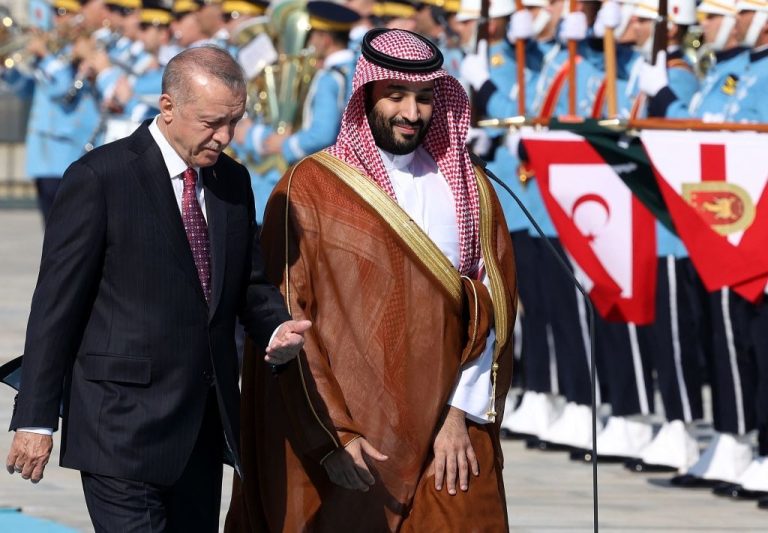
Turkish President Recep Tayyip Erdoğan and Saudi Crown Prince Mohammed bin Salman walking together during an official ceremony.

Turkey’s Sunni Coalition Push Reshapes Middle East Power

Turkey is building a new Sunni‑majority alignment through rapid diplomacy with Saudi Arabia, Egypt, and Jordan. Arms deals, industrial cooperation, and coordinated statements on Gaza signal Ankara’s expanding influence. But rival ambitions, Gulf hedging, and Israel’s resistance to Turkish involvement in Gaza could limit how far this emerging coalition can solidify.

Read More »
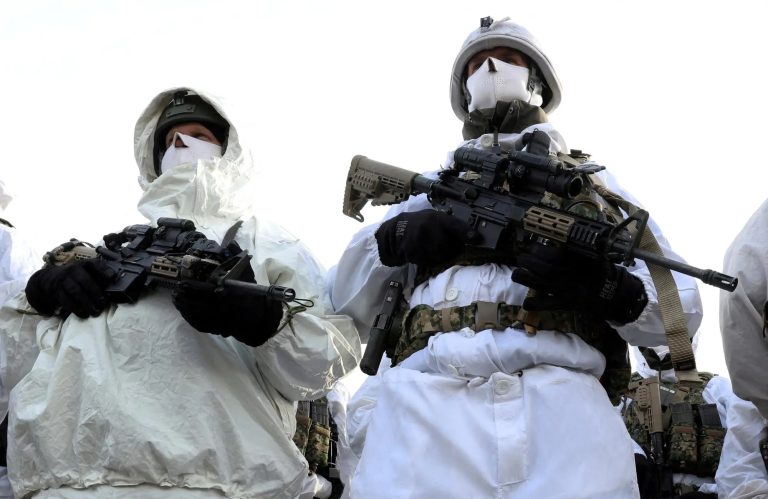
Two soldiers in full white winter camouflage gear, including white face masks and helmets, standing side-by-side and holding black assault rifles equipped with advanced scopes and tactical attachments.

NATO’s Arctic Sentry: Deterrence Without Guardrails

NATO’s new Arctic Sentry unifies allied operations in the High North, but it emerges amid tensions triggered not by Russia, but by Trump’s threats to annex Greenland. The buildup expands deterrence without communication channels, raising the risk of accidents in a nuclear‑sensitive region. With Russia unengaged diplomatically, even a minor incident could spiral into unintended conflict.

Read More »
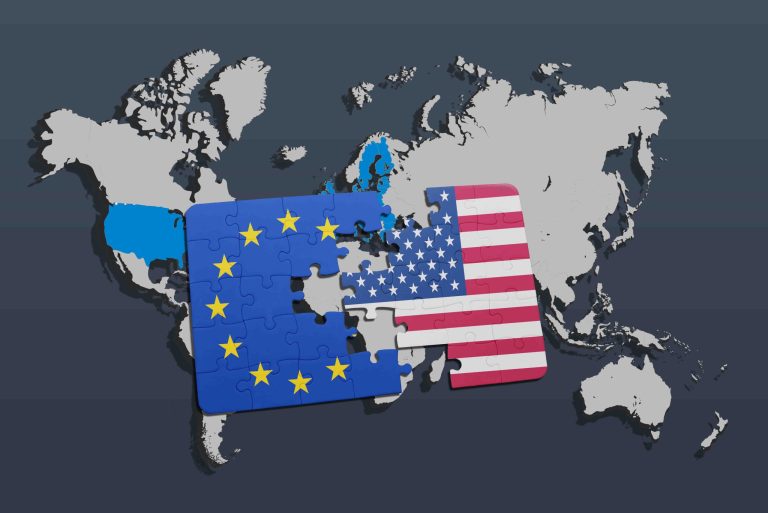
A conceptual digital illustration of a gray world map background with two large puzzle pieces in the center; the left puzzle piece displays the blue flag and yellow stars of the European Union, and the right piece displays the stars and stripes of the United States flag.

US and EU in the Middle East: Allies With Different Playbooks

Washington and Brussels still share the same core goals in the Middle East: prevent nuclear proliferation, avoid regional war, stabilize energy flows, and suppress jihadist networks. But they now pursue those goals with different playbooks, shaped by diverging political cultures, institutional habits, and strategic priorities.

Read More »
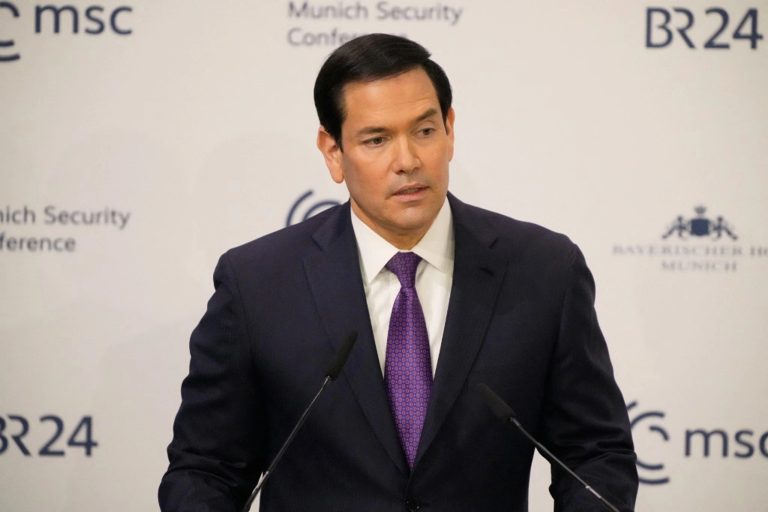
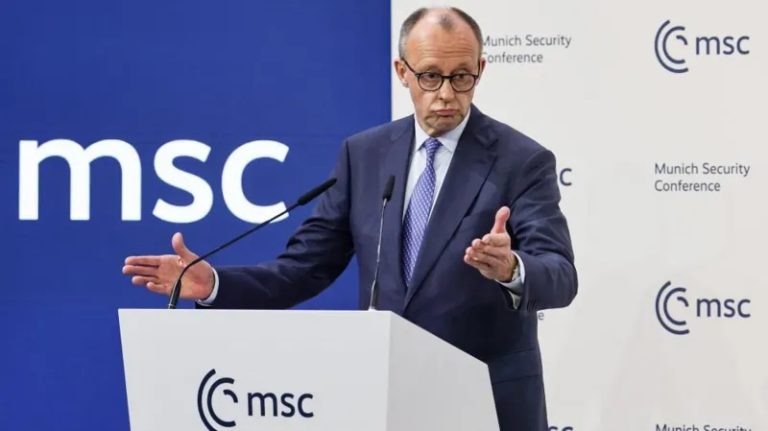
A medium shot of Marco Rubio speaking at a podium, wearing a dark navy suit and a patterned purple tie, with a white background featuring logos for the "Munich Security Conference" and "BR24."

Europe’s Defense Awakening: Ready for War Without Washington?

Munich 2026 revealed a continent in transition: spending more, planning further ahead, and finally treating defense as a core function of statehood rather than a budgetary inconvenience. But it also revealed a Europe still psychologically tethered to Washington, even as Washington signals that its patience, priorities, and commitments are no longer what they once were.

Read More »
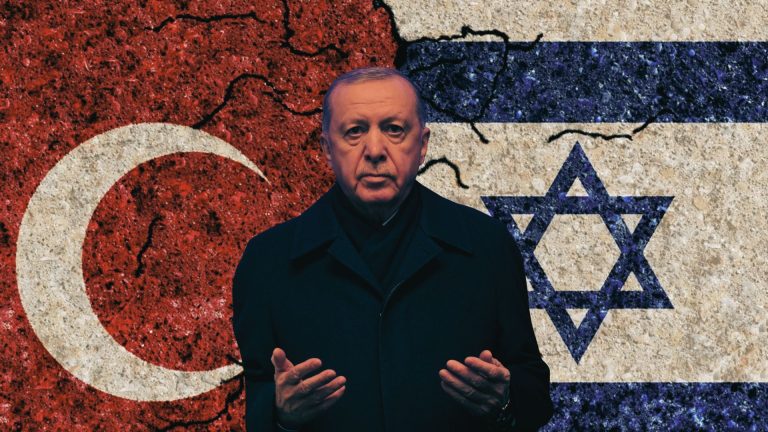
A composite image featuring Recep Tayyip Erdoğan in a dark coat, standing in front of a cracked stone background that displays the Turkish flag on the left and the Israeli flag on the right.

Ankara’s Legal War on Israel Reshapes the Region

Turkey is no longer treating its dispute with Israel as a diplomatic quarrel. It has transformed the relationship into a multi‑front legal, economic, and institutional confrontation designed to outlast the Gaza war and reshape regional norms. What began as political outrage has evolved into a sustained strategy of prosecution, isolation, and norm‑setting — a shift far more consequential than the Mavi Marmara rupture of 2010.

Read More »
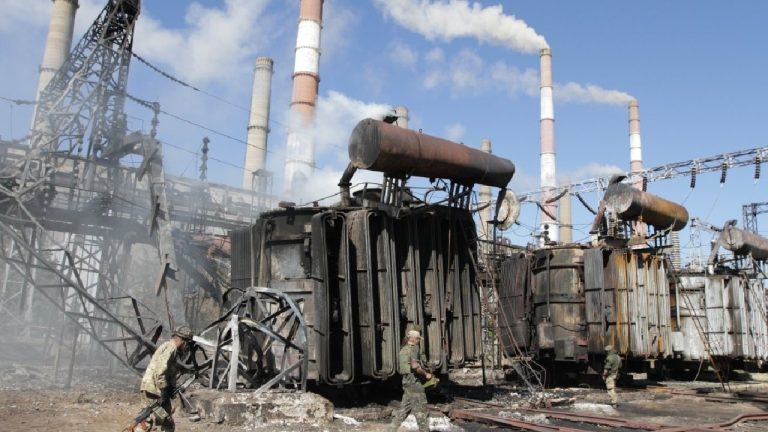
A wide shot of a heavily damaged industrial power plant in Ukraine, showing collapsed roofs, charred metal structures, and debris scattered across the site.

Ukraine War Exposed the Failure of Western Deterrence Assumptions

In January 2026, the strategic fallout from the Ukraine war has fundamentally dismantled the “post-Cold War” playbook. Western leaders now operate under a new, grimmer set of assumptions: that war is a contest of industrial stamina, not just initial tech; that economic ties can be weapons of coercion; and that “red lines” mean nothing without the munitions to back them up.

Read More »
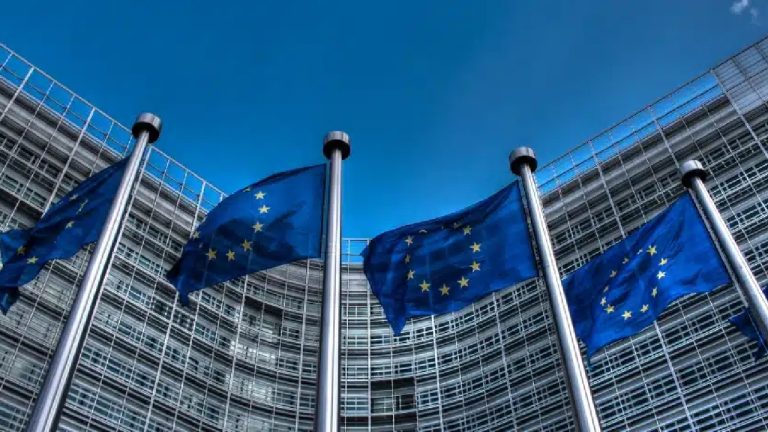
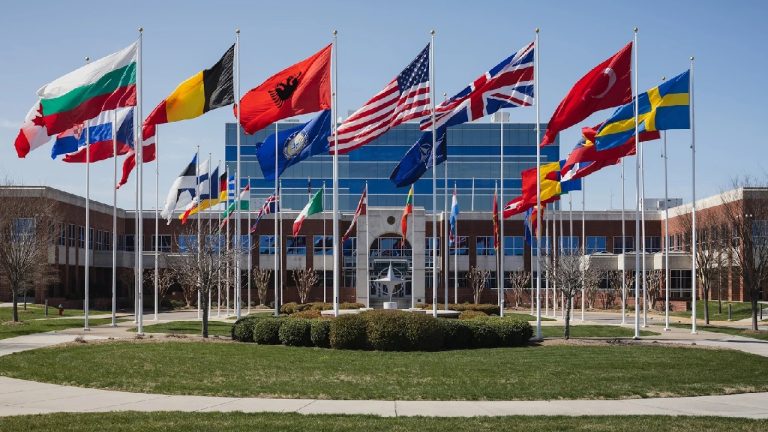
A wide shot of various national flags, including the US, UK, and Turkey, flying in a circle in front of a modern brick and glass building.

Transatlantic Alliance Transformation: Strategic Implications of American Reorientation

The North Atlantic relationship is undergoing a significant transformation due to shifting American strategic priorities from alliance-based internationalism to sphere-of-influence arrangements among major powers. This change, evident in recent policies and diplomatic actions, raises important questions regarding the sustainability of the transatlantic security architecture and its implications for both American and European interests.

Read More »