Tag: Middle East Eye

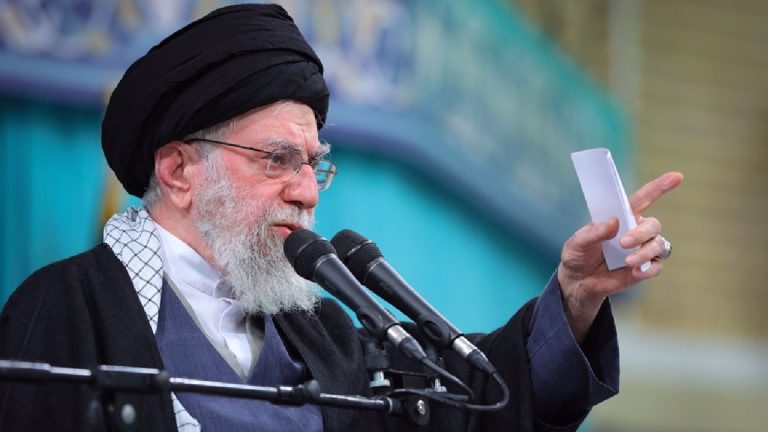
A man with a white beard, wearing a black turban and glasses, speaking into two microphones and pointing his finger.

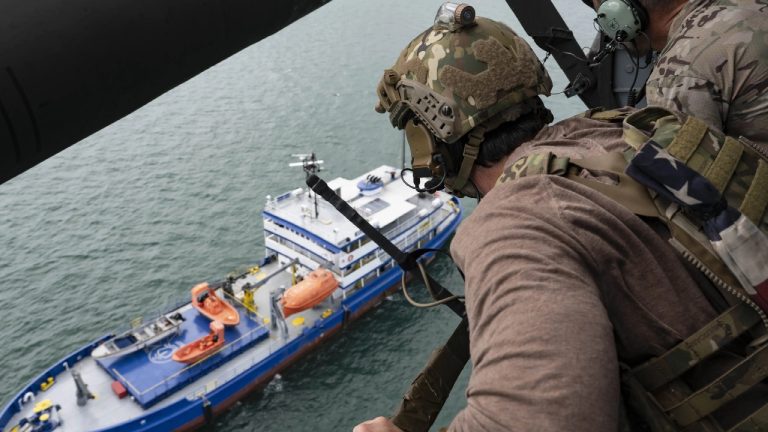
Why Military Coercion Against Iran Risks a Regional Catastrophe

In early February 2026, the Persian Gulf sits at a knife-edge. The “Oman Talks,” which began on February 6, represent a desperate diplomatic attempt to avert a third Gulf War. While Washington views its “Armada” and the recent capture of Venezuela’s Maduro as leverage to force a total Iranian capitulation, Tehran views the same events as an existential threat that demands unconstrained asymmetric retaliation.

Read More »
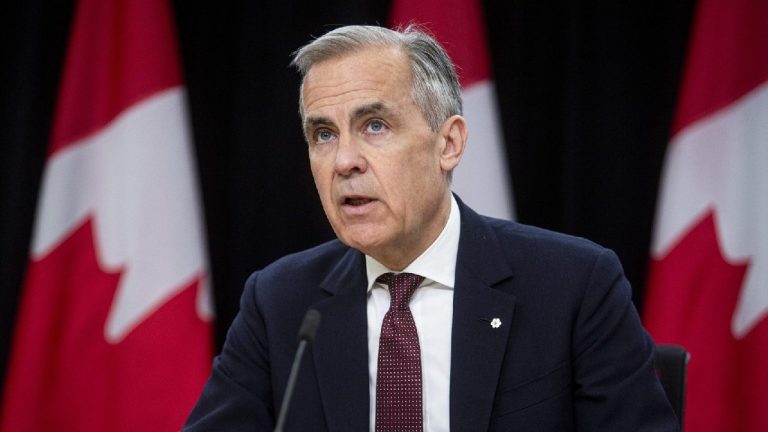
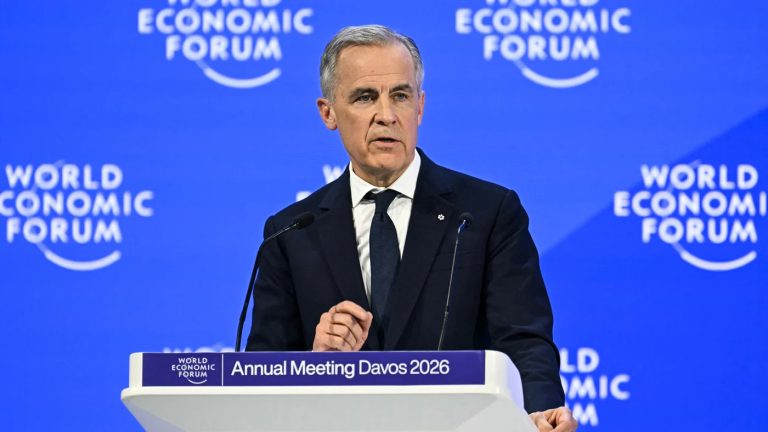
A man in a dark suit and red tie speaking at a podium with Canadian flags in the background.

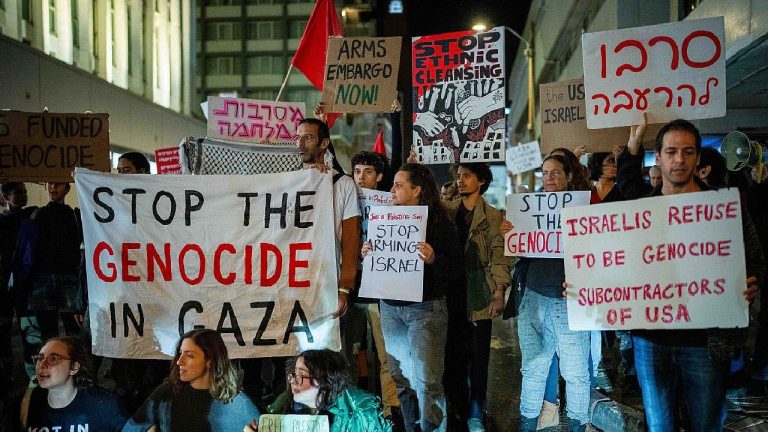
Canada’s Middle Power Rhetoric Collides With Gaza Reality

This analysis examines the growing disconnect between Prime Minister Mark Carney’s “middle power” rhetoric and Canada’s policy on Gaza as of early 2026. While Carney utilized the Davos 2026 platform to signal a new era of diplomatic “honesty,” critics argue that Canada’s continued use of arms-export loopholes and its response to the current nominal ceasefire highlight a systemic failure to apply international law consistently.

Read More »
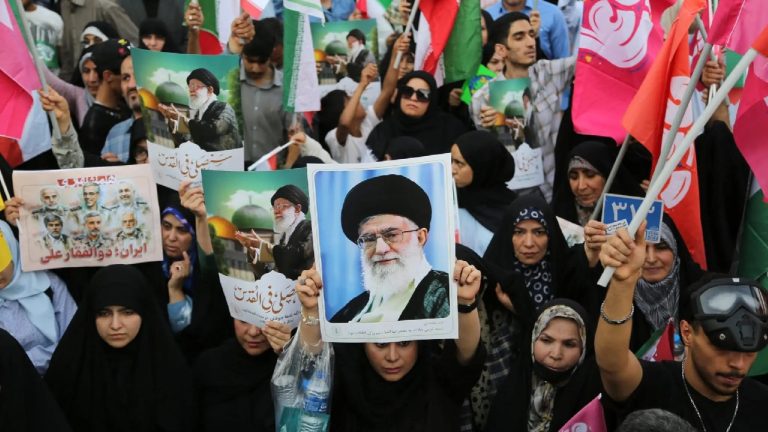
A large crowd of people holding up posters with a portrait of a bearded man in a black turban and glasses.

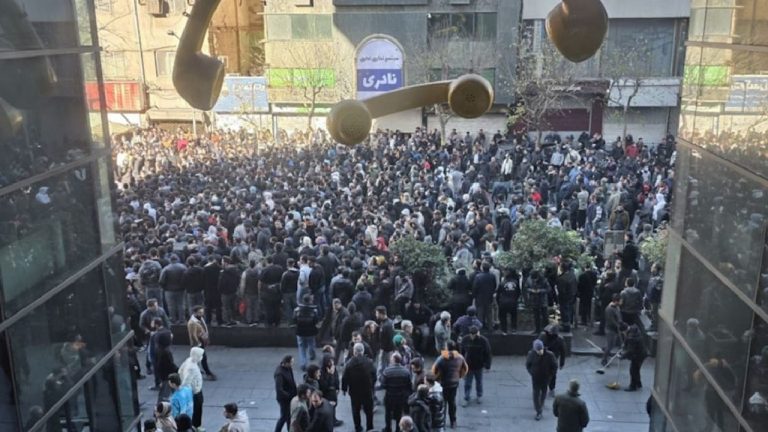
Strategic Miscalculation: Why Iranian Regime Change Would Destabilize the Region

In early February 2026, the debate over Iranian regime change has moved from theoretical policy papers to an active military and intelligence reality. Following the “Midnight Hammer” strikes of June 2025 and the massive, violent unrest of January 2026, the region stands at a precipice where the collapse of the Islamic Republic is no longer unthinkable, but potentially catastrophic.

Read More »
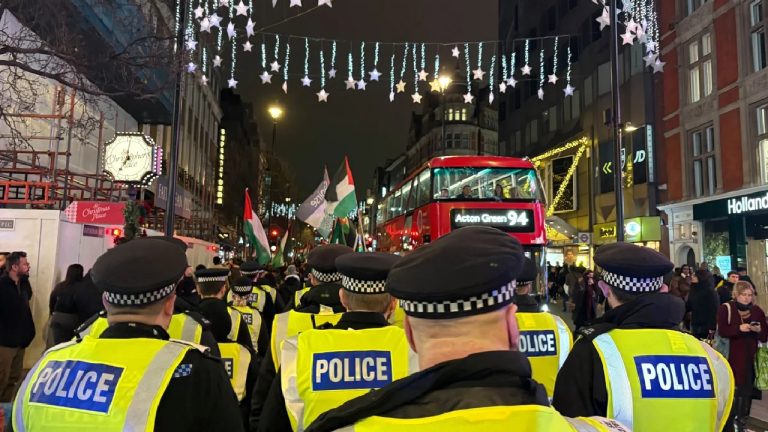
A line of UK police officers in yellow high-visibility vests facing a street with Palestinian flags and a red double-decker bus at night.

UK Intifada Chant Arrests: Free Speech Tensions and Anti-Palestinian Discrimination Concerns

The December 2025 decision by UK police to arrest protesters for chanting “globalise the intifada” has ignited a fierce debate over democratic erosion and selective enforcement. While authorities cite security concerns following recent global tensions, legal experts and activists warn that criminalizing political speech without evidence of violence constitutes institutionalized bias, threatening the fundamental right to peaceful mobilization and free expression.

Read More »
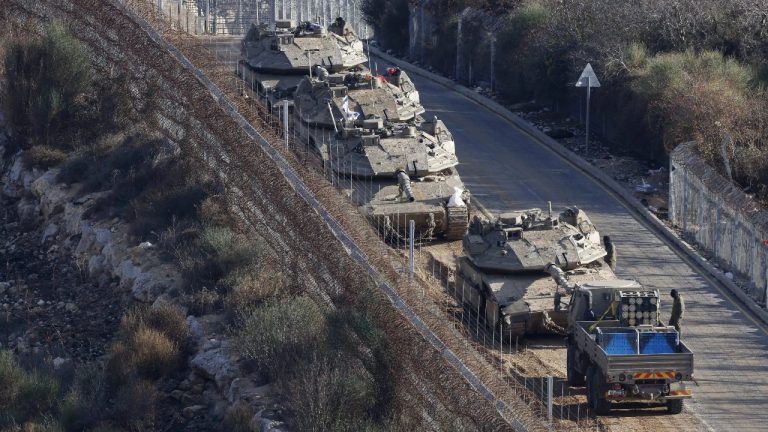
A line of Israeli Merkava tanks and a supply truck moving along a paved road next to a barbed-wire border fence

Israeli Military Expansion in Syria Risks Strategic Overextension Despite Initial Advantages

Twelve months after Bashar al-Assad’s fall, Israeli forces have carried out over 600 military operations in Syria, averaging nearly two daily. This extensive campaign, alongside the occupation of territories beyond the 1974 disengagement lines, illustrates a classic pattern of overreach, where tactical dominance leads to strategic vulnerability due to commitments across multiple fronts without clear objectives.

Read More »