Tag: Middle East

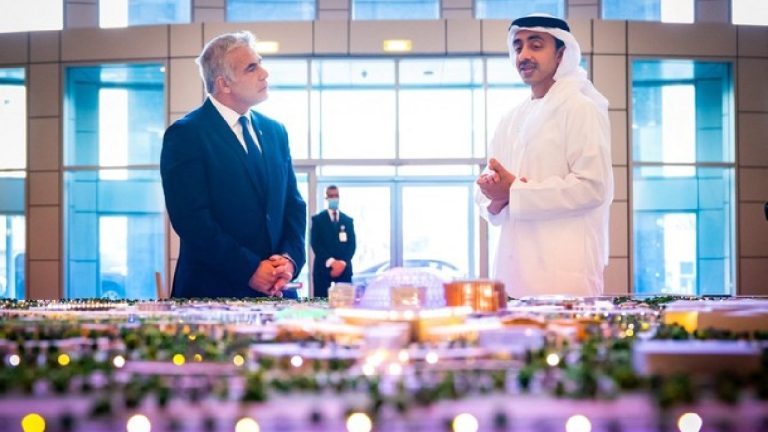
Two men in formal attire standing in a modern hall, looking at a large architectural model of a city.

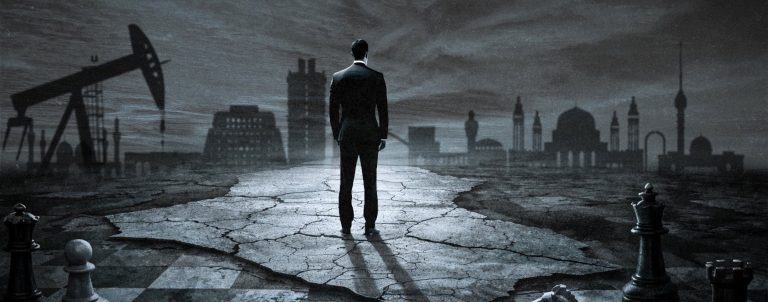
The Changing Dynamics of Middle Eastern Alliances: A Battle Between Abrahamic and Islamic Coalitions

In early 2026, the Middle East has moved beyond the simple “Sunni vs. Shia” binary. Instead, the region is now fractured into two competing ideological and strategic blocs: the Abrahamic Coalition—focused on secular-leaning economic integration and high-tech defense—and the Islamic Coalition, which prioritizes sovereign statehood, Islamic solidarity, and a more cautious distance from Israel.

Read More »
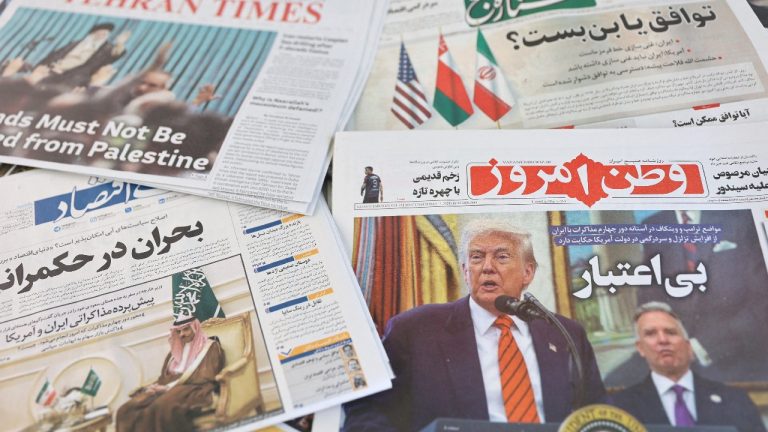
A collection of various Iranian newspapers spread out on a wooden table, featuring headlines in Persian and a prominent photograph of Donald Trump on one of the front pages.

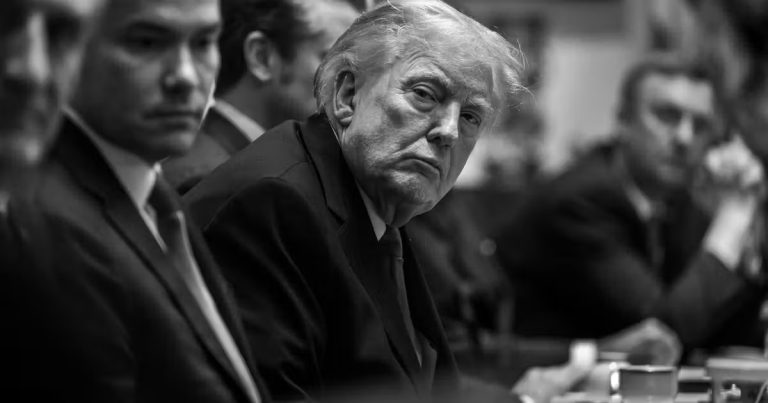
Iran’s Battle for Survival is the Arab World’s Fight Too

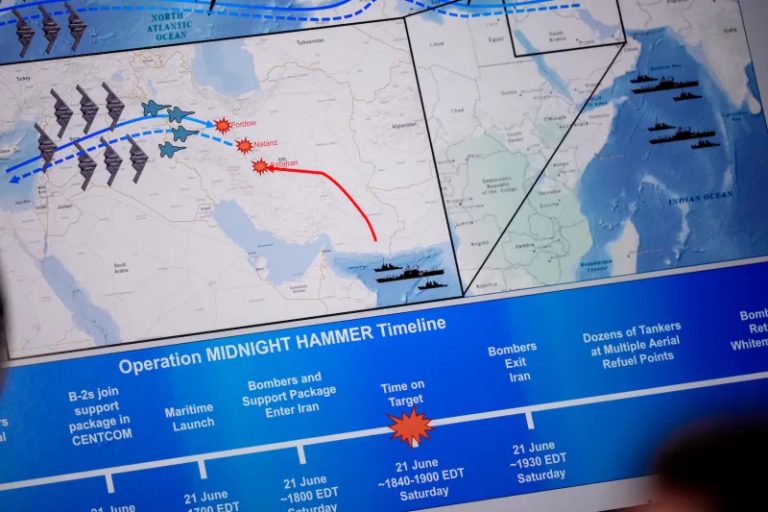
In early 2026, the Middle East has entered what analysts describe as a state of “Exhausted Realignment.” Following the kinetic “12-Day War” between Israel and Iran in June 2025 and the fall of the Assad regime in Syria in December 2024, the region is now caught between a “Maximum Pressure 2.0” campaign from Washington and a desperate diplomatic “hedging” strategy by the Gulf states.

Read More »
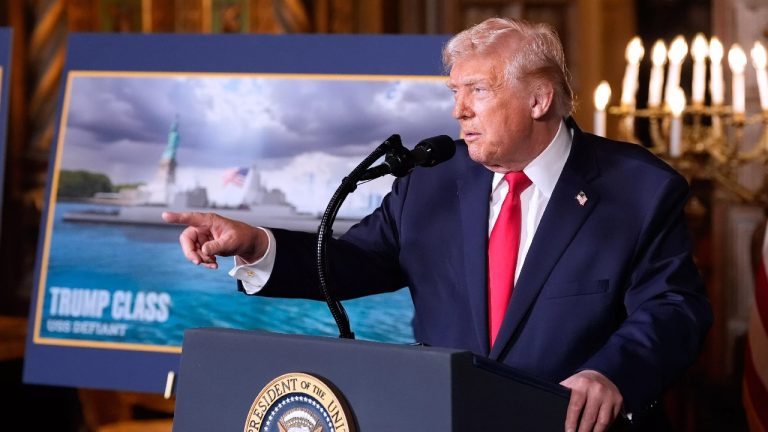
Donald Trump speaking at a podium with a large poster of a naval ship and the Statue of Liberty in the background.

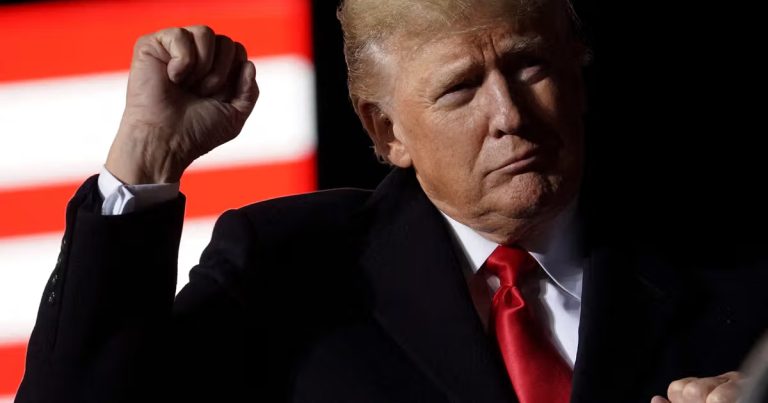
What 2026 Holds for International Security and Economics

As we enter the first week of January 2026, the global landscape is defined by the fallout from the U.S. military operation in Venezuela and a critical “election-year” posture from Washington. The year ahead suggests a shift from the post-war multilateral order toward a more transactional, high-stakes era of “sovereignty-first” politics.

Read More »
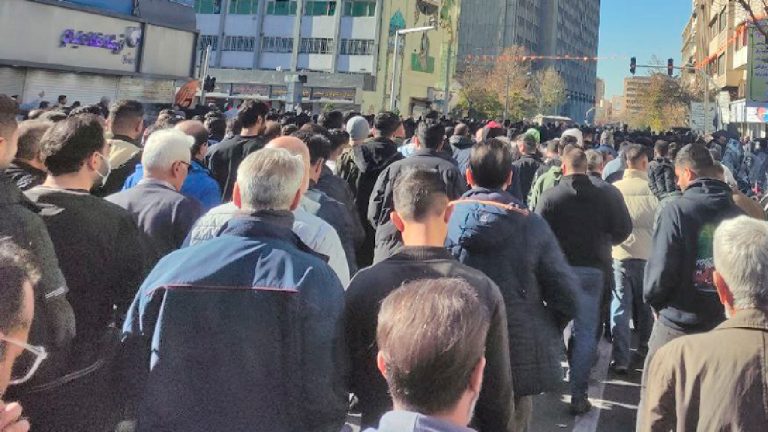
A large crowd of people walking down a city street, viewed from behind.

Iran’s Economic Crisis and Nationwide Protests

The protests that began on December 28, 2025, represent a critical inflection point for Iran, fueled by an economic “perfect storm” that has effectively hollowed out the country’s middle class. As of January 4, 2026, the movement has spread to over 100 locations across 22 provinces, marking it as one of the most geographically expansive challenges to the Islamic Republic since 1979.

Read More »
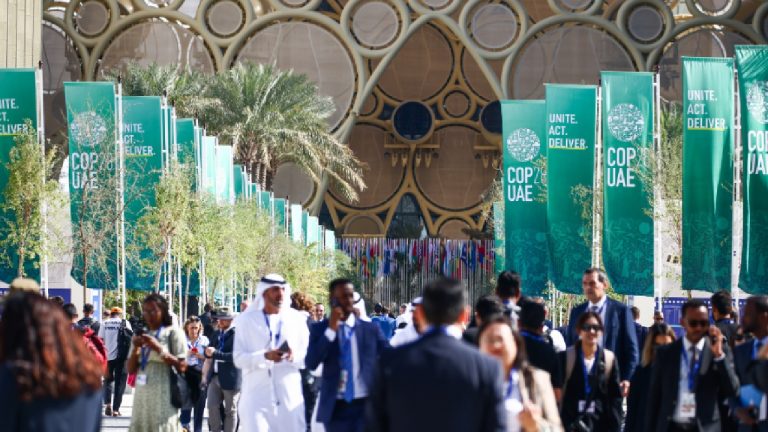
A crowded outdoor walkway lined with tall green "COP28 UAE" banners, with palm trees and a large domed architectural structure in the background.

Middle Eastern Energy Politics: Transition as Power Redistribution Rather Than Technical Evolution

Middle Eastern energy transition is not a mere technical shift but a fundamental geopolitical power redistribution. While regional players like Saudi Arabia and Qatar invest in renewables, they simultaneously leverage hydrocarbons to assert autonomous diplomacy, navigating a multipolar world where energy remains a primary instrument of strategic influence and state survival.

Read More »
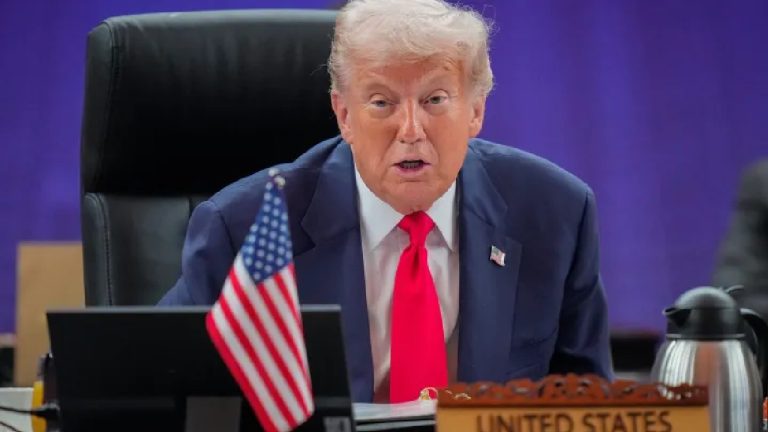
A close-up of Donald Trump speaking at a summit table with a "United States" nameplate and a small American flag in front of him

Middle East Strategic Reorientation: From Direct Engagement to Containment

The 2025 National Security Strategy marks a significant shift in U.S. policy towards the Middle East, transitioning from extensive political and military involvement to a limited engagement prioritizing energy security and hindering regional adversaries. This change prompts important inquiries regarding the alignment of the new assumptions with the actual dynamics of the region.

Read More »
Donald Trump sitting at his desk in the Oval Office, speaking to a delegation of officials seated across from him

Damascus Gains International Legitimacy Through White House Visit Yet Internal Challenges Persist

Ahmed al-Sharaa’s meeting with President Trump on November 10 marked a significant diplomatic achievement for Syria, resulting in the removal of UN Security Council sanctions and a suspension of the Caesar Act for six months. However, consolidating this international recognition domestically is challenging due to Kurdish forces’ resistance to integration, demands for autonomy from Druze leaders, and Israeli military expansion in southern Syria.

Read More »
United Nations Secretary-General António Guterres shaking hands with Iraqi Prime Minister Mohammed Shia' al-Sudani in front of UN and Iraqi flags

Regional Powers Position Mediation Capacity as Alternative to Civilizational Conflict Paradigm

UN Secretary-General António Guterres’s visits to Saudi Arabia, Oman, and Iraq mark a potential shift from external crisis management to regional diplomatic leadership, particularly highlighted by the formal closure of UNAMI after 22 years. This development challenges Samuel Huntington’s “clash of civilizations” framework by illustrating how culturally connected states can effectively mediate conflicts that hinder international institutions.

Read More »