Tag: Maritime Security

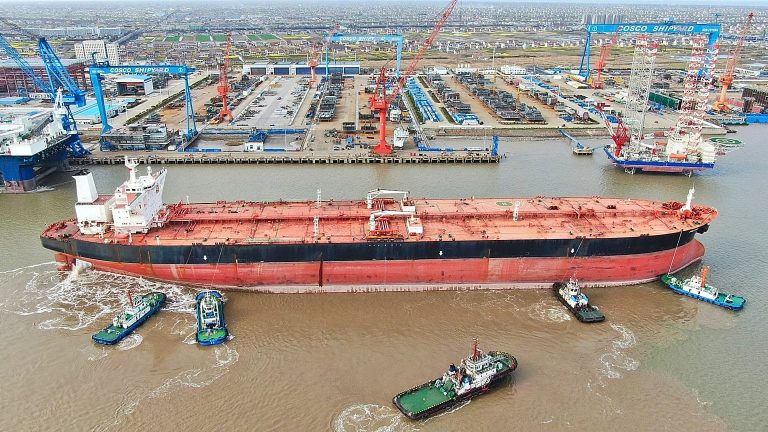
Silhouette of a large cargo ship on the ocean at sunset with a massive orange sun partially covered by clouds.

Iran’s Strait of Hormuz Gambit Is Working

The world is currently 10 hours away from what President Trump has called a “final, final” deadline for Iran to reopen the Strait of Hormuz. The “Hormuz Gambit” has not only held, it has escalated into a global economic hostage crisis that the 40-nation coalition is struggling to break.
Read More »
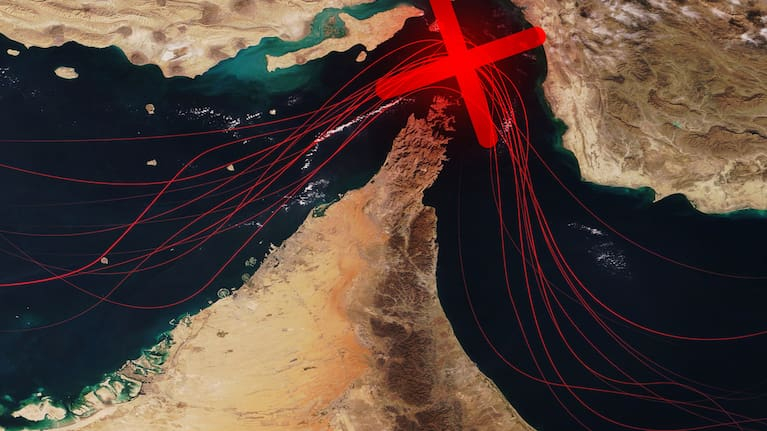
Satellite map of the Persian Gulf with red trajectories crossing through the Strait of Hormuz and a large red 'X'.

Washington’s Retreat From the Strait of Hormuz

The strategic withdrawal of the United States from the Strait of Hormuz—once the bedrock of global energy security—has reached a tipping point. President Trump’s “Go Take It” directive has effectively dismantled the Carter Doctrine, leaving a 40-nation coalition to manage a waterway that has become the world’s most dangerous “insurance trap.”

Read More »
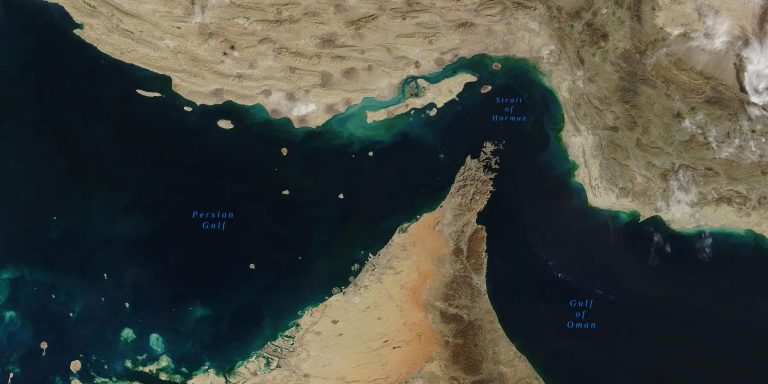
Satellite view of the Strait of Hormuz, Persian Gulf, and Gulf of Oman.

Iran’s Masterplan for the Strait of Hormuz

The shift in the Strait of Hormuz from a traditional military chokepoint to a formalized “Sovereign Toll Zone” represents the most significant change in maritime law since the 1982 UNCLOS. Tehran is moving to institutionalize what was once a temporary blockade into a permanent economic engine designed to bypass Western sanctions forever.

Read More »
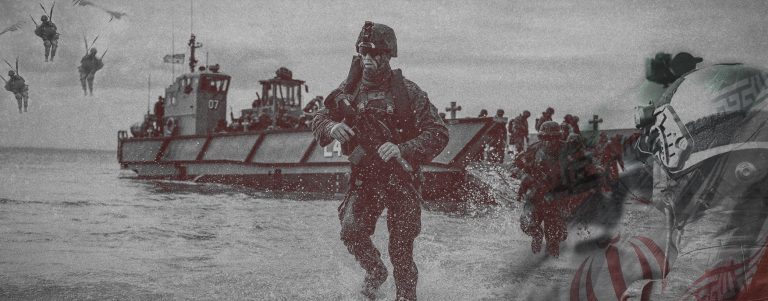
Soldiers in military gear during a coastal landing operation with a transport vessel.

Iran’s Special Forces: A Decentralized Defense Strategy

The Iranian military response to Operation Epic Fury has confirmed what many analysts suspected: the “Mosaic Defense” doctrine is not just a theoretical framework, but a functional, decentralized reality. While Western intelligence spent decades focused on the Quds Force, the first month of the 2026 war has demonstrated that Iran’s true resilience lies in its provincial special forces and maritime commandos.

Read More »
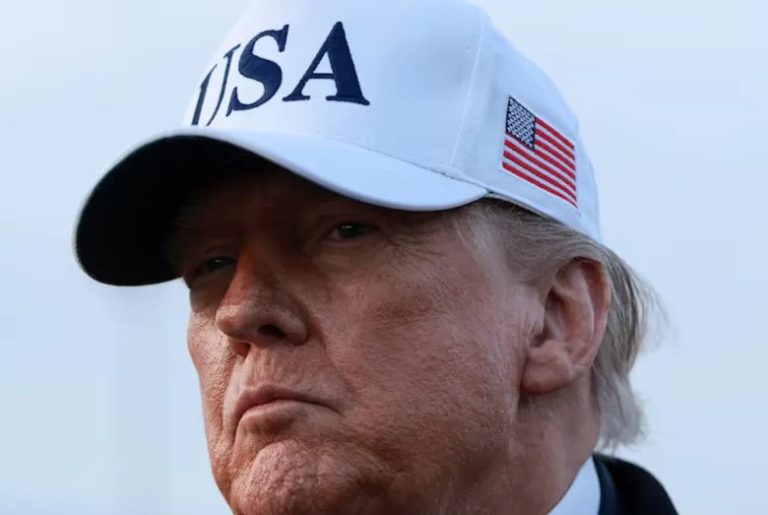
Close-up portrait of Donald Trump wearing a white "USA" hat with an American flag on the side.

America Lit the Fire and Now 40 Nations Are Cleaning Up

The geopolitical fallout of the Iran war has entered a phase of “fractured leadership.” While the United States remains the primary military aggressor, it has become a secondary actor in the diplomatic and maritime cleanup, leaving a coalition of 40 nations to navigate the chaos left in the wake of Operation Epic Fury.

Read More »
A conceptual image showing the USA and Iran flags separated by a deep, fiery crack in a stone surface.

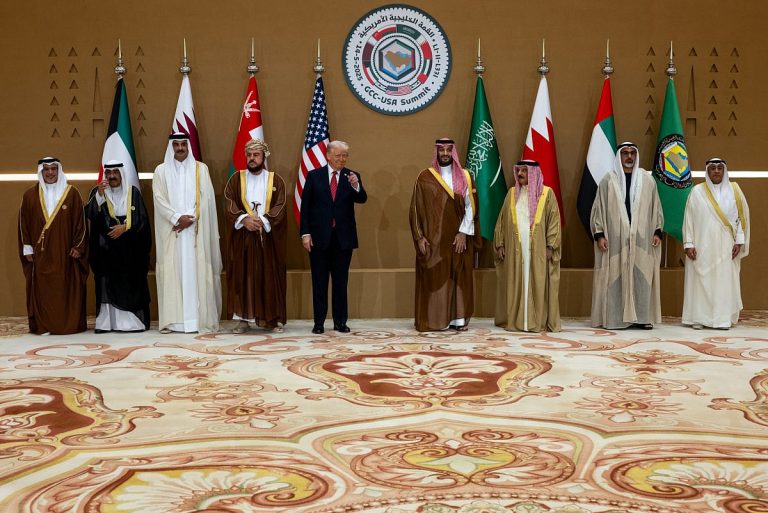
Gulf States Face a Strategic Reckoning After Iran War

One month into the war, the Gulf Cooperation Council (GCC) states are navigating what has been described as a “Zeitenwende moment”—a systemic shift that is dismantling the decades-old security and economic models of the region. As of April 1, 2026, the conflict has evolved from a targeted strike into a regional emergency that has exposed the fragility of the Gulf’s “oases of stability” narrative.

Read More »
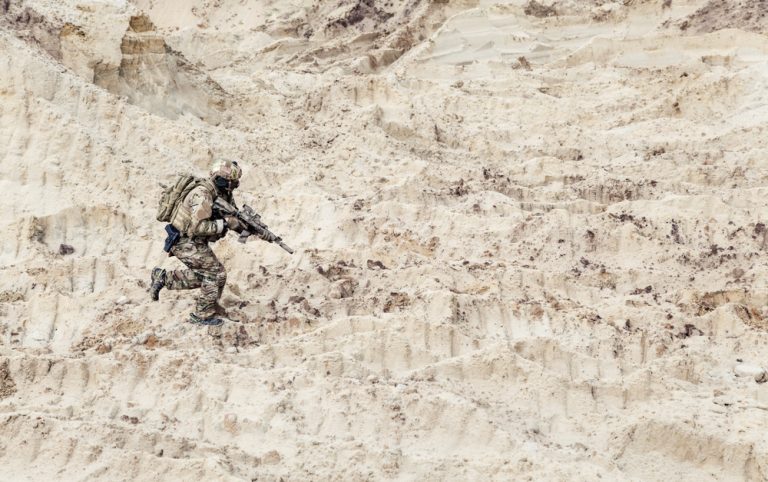
A soldier in full camouflage gear and tactical equipment running across a sandy, uneven terrain.

Why a Ground War in Iran Would Break the U.S. Military

The Pentagon’s reported shift toward “limited ground operations” marks the most dangerous inflection point of the war. After a month of air supremacy has failed to break the blockade of the Strait of Hormuz, Washington is considering a move that military historians warn could lead to a strategic collapse of the U.S. armed forces.

Read More »
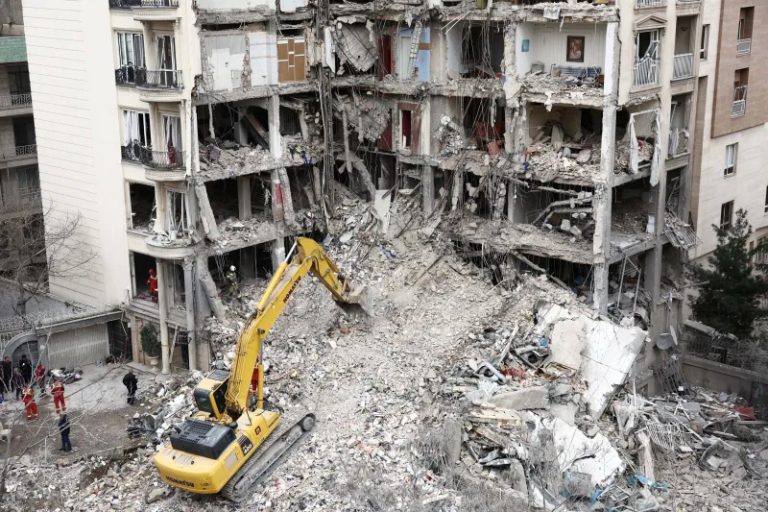
A yellow Komatsu excavator clearing rubble from a heavily damaged multi-story residential building.

How the Iran War Became America’s Ukraine

The U.S. strategy in Iran has devolved into a grinding war of attrition mirroring Russia’s quagmire in Ukraine, as initial hopes for a swift “decapitation strike” fail against Iran’s geographic leverage. With the Strait of Hormuz blockade triggering the largest energy disruption in history and U.S. precision munition stockpiles depleting at an unsustainable rate, Washington faces a strategic stalemate with no viable ground option and no clear path to a decisive victory.

Read More »
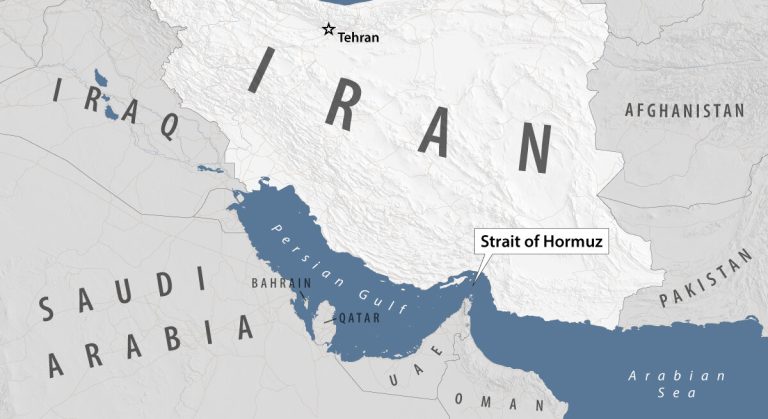
A clean geopolitical map of Iran and the Persian Gulf with labels for Tehran, the Strait of Hormuz, and neighboring countries.

Winning Every Battle in Iran Is Not the Same as Winning the War

Despite tactical air and naval supremacy, the U.S. faces a strategic stalemate as Iran maintains its “Hormuz card.” By effectively closing the world’s most vital energy chokepoint through asymmetric warfare, Tehran has turned a battlefield deficit into an unsustainable global economic crisis that conventional military victories cannot resolve.

Read More »
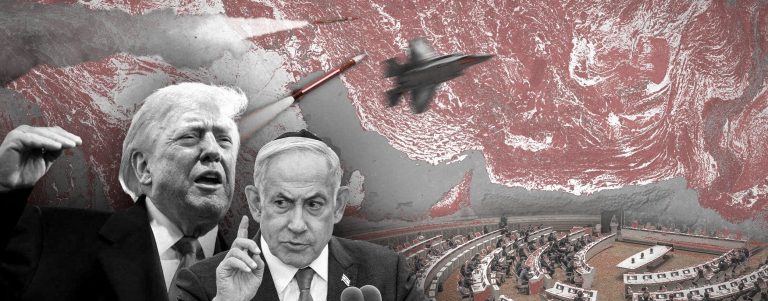
A composite collage featuring Donald Trump, Benjamin Netanyahu, a fighter jet, missiles, and the UN Security Council chamber over a map of Iran.

The UN Security Council Blamed the Wrong Country in the Iran War

UN Security Council Resolution 2817 has come under fire for bias, condemning Iranian strikes while ignoring the Gulf states’ role in hosting the initial U.S. and Israeli attacks. Critics argue this selective enforcement of “territorial integrity” and the failure to apply proportionality standards to civilian casualties has severely eroded the legal credibility of the UN charter.

Read More »

Iran’s Attack on Qatar’s Gas Fields Shatters Gulf Neutrality

Iran’s strike on Ras Laffan shattered Gulf neutrality. By targeting Qatar’s LNG lifeline, Tehran turned a mediator into an adversary. This “miscalculation” is welding the GCC to Washington’s military campaign. As neutrality shrinks, the Gulf’s focus has shifted from ending the war to ensuring Iran is permanently defanged.

Read More »