Tag: IRGC

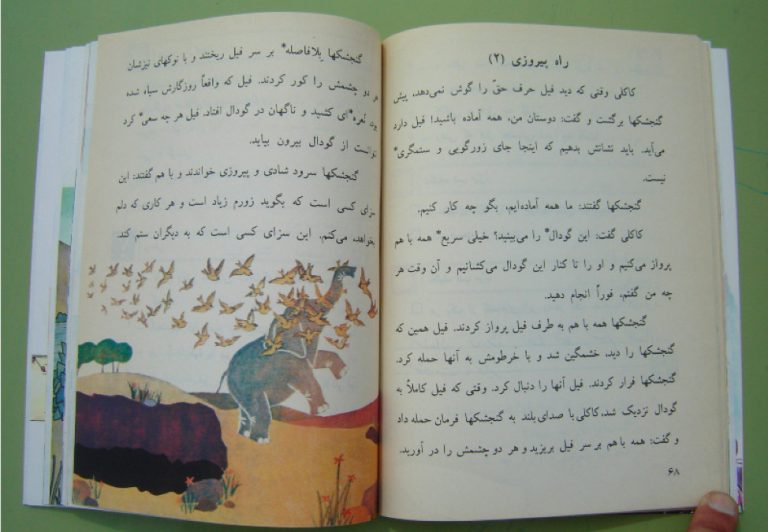
An open Persian children's storybook featuring an illustration of a group of birds attacking an elephant.

What Iran Teaches Its Children and Why Washington Never Listened

Understanding Iran’s wartime behavior requires looking at its classrooms, not just its missile silos. For decades, Iran’s national curriculum has fused Islamic values with ancient Persian resilience, teaching generations that collective resistance against a “superior elephant” is the only moral response. Washington’s failure to grasp this cultural foundation explains why 40 days of strikes have consolidated national identity instead of fracturing it, as the “sparrow vs. crocodile” mindset remains the heart of Tehran’s asymmetric doctrine.

Read More »
Silhouette of a large cargo ship on the ocean at sunset with a massive orange sun partially covered by clouds.

Iran’s Strait of Hormuz Gambit Is Working

The world is currently 10 hours away from what President Trump has called a “final, final” deadline for Iran to reopen the Strait of Hormuz. The “Hormuz Gambit” has not only held, it has escalated into a global economic hostage crisis that the 40-nation coalition is struggling to break.

Read More »

A War Both Sides Expected to Win Quickly, Neither Did

The conflict, now entering its sixth week, has evolved into a “Cost-Asymmetry Trap” that neither Washington nor Tehran originally envisioned. The war has reached a critical “Ultimatum Hour” that could determine if the region faces total systemic collapse or a forced diplomatic off-ramp.

Read More »
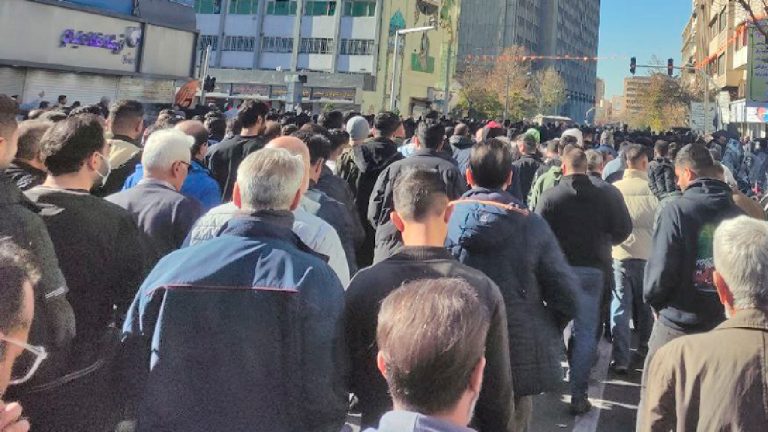
A large crowd of people walking down a city street, viewed from behind.

Iran’s Economic Crisis and Nationwide Protests

The protests that began on December 28, 2025, represent a critical inflection point for Iran, fueled by an economic “perfect storm” that has effectively hollowed out the country’s middle class. As of January 4, 2026, the movement has spread to over 100 locations across 22 provinces, marking it as one of the most geographically expansive challenges to the Islamic Republic since 1979.

Read More »