Tag: Information Warfare

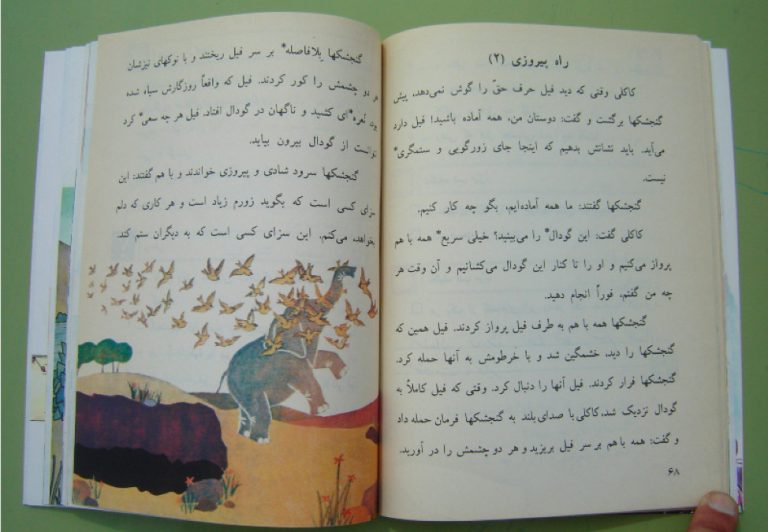
An open Persian children's storybook featuring an illustration of a group of birds attacking an elephant.

What Iran Teaches Its Children and Why Washington Never Listened

Understanding Iran’s wartime behavior requires looking at its classrooms, not just its missile silos. For decades, Iran’s national curriculum has fused Islamic values with ancient Persian resilience, teaching generations that collective resistance against a “superior elephant” is the only moral response. Washington’s failure to grasp this cultural foundation explains why 40 days of strikes have consolidated national identity instead of fracturing it, as the “sparrow vs. crocodile” mindset remains the heart of Tehran’s asymmetric doctrine.

Read More »
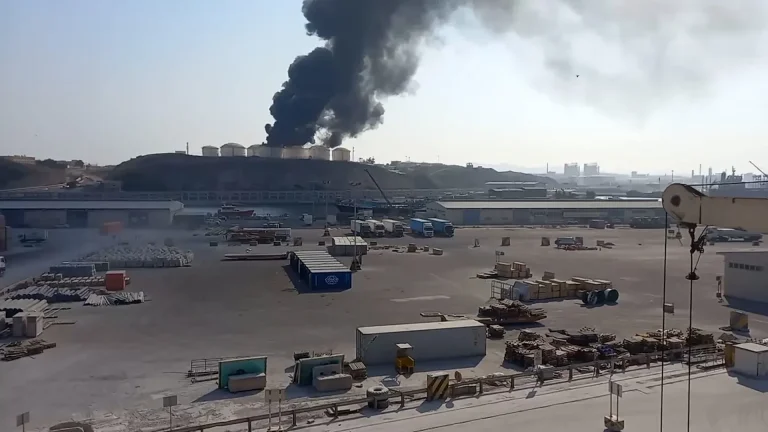
Thick black smoke rising from industrial oil storage tanks near a port facility.

US is Using Clone Drones for False Flag Attacks on Gulf States

Iran claims the U.S. and Israel are staging false‑flag attacks on Gulf states using LUCAS drones — an American system modeled on the Shahed. The allegation, unverified but strategically potent, aims to sow doubt among Gulf partners already shaken by the war and to fracture Washington’s fragile regional alignment.

Read More »
Digital screen showing an Israeli flag with a red "X" through it and ISNAD branding for cyber warfare.

ISNAD’s Shift From Wartime Propaganda to Long-Term Social Warfare

The ISNAD network has shifted from wartime agitation to long‑term influence operations, using fake Hebrew accounts to erode Israeli social cohesion. Its new “sociological warfare” strategy promotes polarization, distrust, and emigration. With tighter organization and ideological volunteers, ISNAD offers a replicable model of civilian‑style interference that democracies are still struggling to counter.

Read More »
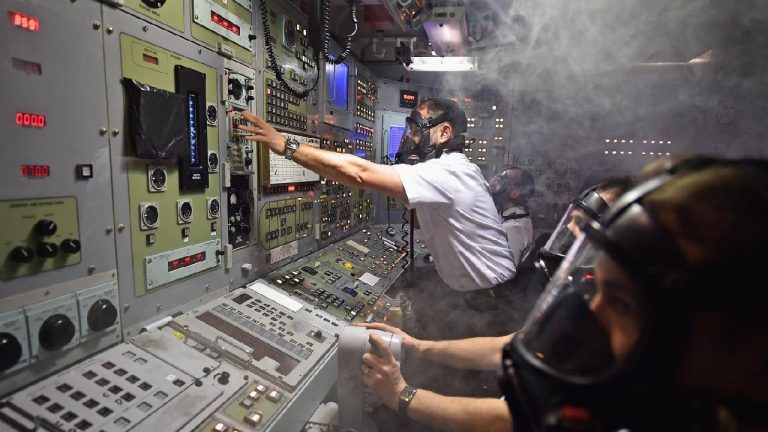
Several crew members wearing gas masks operating a complex control panel filled with buttons, dials, and digital displays in a smoky, dimly lit room.

Machine-Generated Misinformation and Nuclear Security: Artificial Intelligence Risks in Early Warning Systems

AI integration in nuclear early warning systems creates catastrophic risks by generating high-fidelity “hallucinations” and deepfakes that could trigger accidental escalation. To ensure strategic stability, nuclear powers must maintain strict “human-in-the-loop” protocols, improve deepfake detection, and prioritize information accuracy over launch speed in crisis decision-making.

Read More »