Tag: India

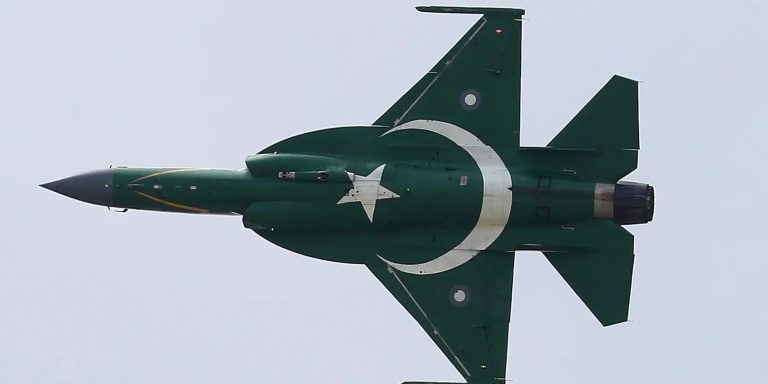
JF-17 Thunder fighter jet with the Pakistani flag painted on its fuselage flying against a clear sky.

Pakistan and Turkey Are Breaking the Western Monopoly on Airpower

Pakistan’s JF‑17 and Turkey’s Bayraktar drones are eroding Western dominance in airpower. Cheap, combat‑tested, and free of political conditions, they’re winning major export deals across Asia, Africa, and the Middle East. As Washington pushes back, a multipolar arms market is emerging — reshaping who can project power from the skies.
Read More »
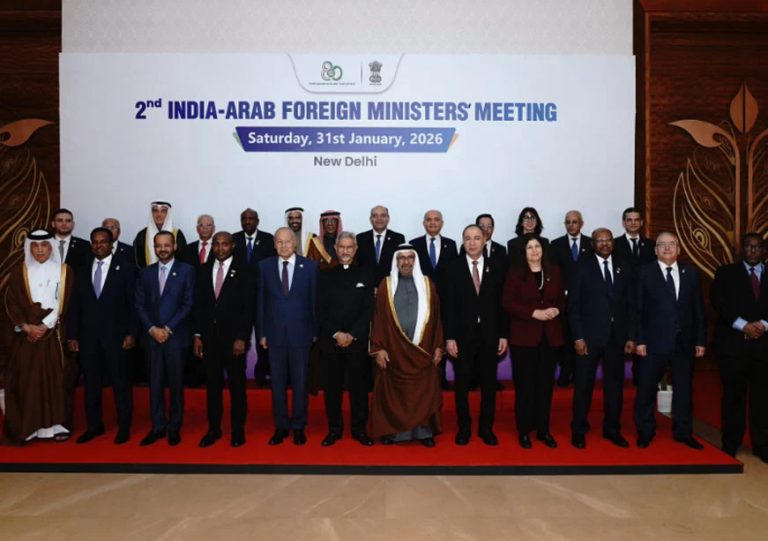
A group of over twenty diplomats and officials in suits and traditional Arab attire standing for a formal group photo on a red carpet in front of a large white banner that reads "2nd INDIA-ARAB FOREIGN MINISTERS' MEETING, Saturday, 31st January, 2026, New Delhi."

India’s Multipolar Gamble With the Arab World

The revival of the India–Arab Foreign Ministers’ Meeting after a decade isn’t just a diplomatic reunion. It’s a sign that both India and the Arab world are trying to position themselves in a world where the Western-led order is cracking from within — and where Washington’s reliability can no longer be assumed.

Read More »
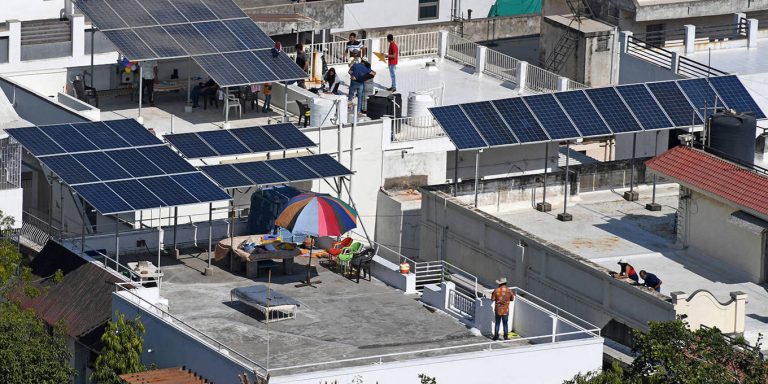
A wide high-angle shot of a residential rooftop in a sunny urban area featuring multiple solar panel arrays and people gathered on the terrace.

Digital Energy Architecture: Why Grid Modernization Precedes Climate Action in the Global South

In early 2026, the Global South is pioneering a “Digital Public Infrastructure” (DPI) approach to energy that shifts the focus from building solar panels to building the “intelligence” required to manage them. As global electricity demand is projected to grow by 3.7% in 2026, primarily outside advanced economies, the traditional linear grid is being replaced by Digital Energy Architecture.

Read More »
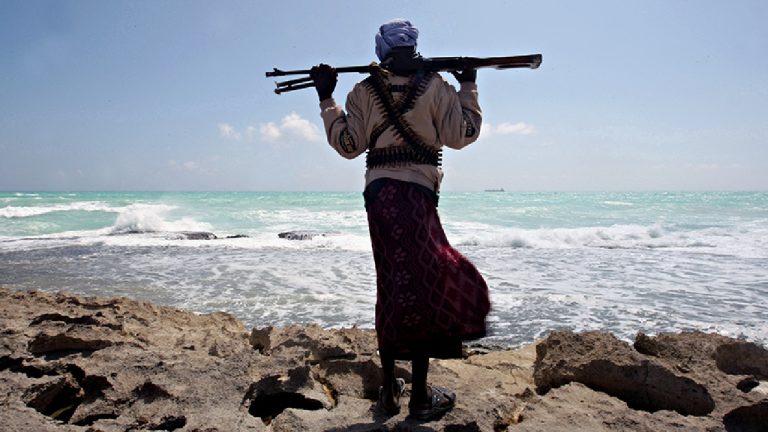
A person seen from behind, carrying a rifle across their shoulders and wearing ammunition belts, looking at the sea.

Somaliland and the Scramble for Red Sea Dominance

In early 2026, the Red Sea corridor is undergoing a profound structural shift following Israel’s formal recognition of Somaliland on December 26, 2025. This move shattered a 34-year diplomatic stalemate and has effectively birthed a new “Middle Power Axis” in the Horn of Africa.

Read More »
A 3D silver "AI" logo next to a red map of China on a digital circuit board background.

How Washington, Beijing, and New Delhi Are Shaping the Global AI Landscape

The global AI landscape in 2026 is defined by a massive divergence in how the world’s three largest tech powers deploy capital and enforce rules. As the market moves toward an estimated $1.81 trillion to $2.4 trillion valuation by 2030, Washington, Beijing, and New Delhi have institutionalized three distinct “stacks” for the future of intelligence.

Read More »
A glass globe of the Earth sits atop a pile of various international banknotes, surrounded by glowing digital currency symbols and a rising arrow.

Strategic Realignment and the Gradual Erosion of Economic Influence

This analysis details how global actors are countering unpredictable U.S. trade policies through “accelerated pursuit of alternative partnerships” and financial diversification. It highlights the shift toward conventional multilateral agreements (like the EU-India and Canada-China deals) and the steady decline of the dollar’s share in global reserves—falling from 72% in 2000 to 56.9% by 2025—as nations hedge against geopolitical risk.

Read More »
Narendra Modi and Xi Jinping engaged in a conversation while standing on a wooden boat or deck with a lake and greenery in the background.

Navigating Rivalry: How India Manages Its Complex Relationship with China

As of late 2025, India’s relationship with China has evolved into a “managed rivalry.” Following the historic October 2024 border patrol agreement, both nations have completed initial troop disengagements at friction points like Depsang and Demchok. However, this tactical thaw has not resolved the underlying paradox: a hardened military standoff alongside a record-breaking trade deficit.

Read More »
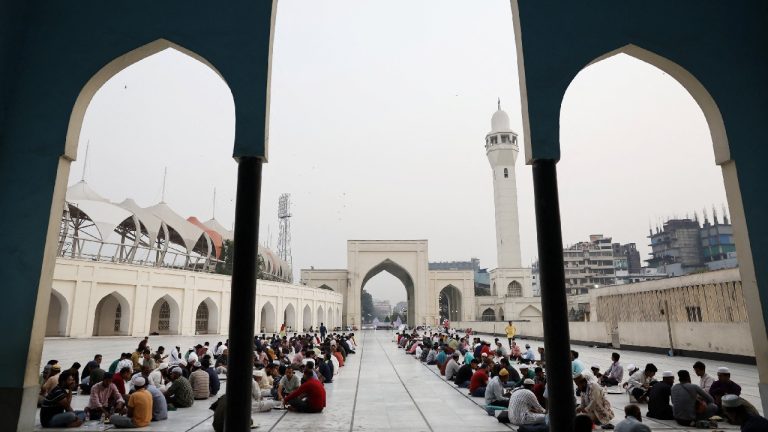
A wide view of many people sitting in rows on the ground in the courtyard of a large, white mosque with a tall minaret.

Bangladesh Political Transition: International Engagement with Islamist Movements

Bangladesh is undergoing significant political changes after the 2024 government transition, with increased international engagement, particularly from the United States, with various political groups ahead of the February 2026 elections. This diplomatic activity has spotlighted Islamist political movements, prompting discussions about strategic considerations, the future of democratic development, and implications for regional stability.

Read More »