Tag: IAEA

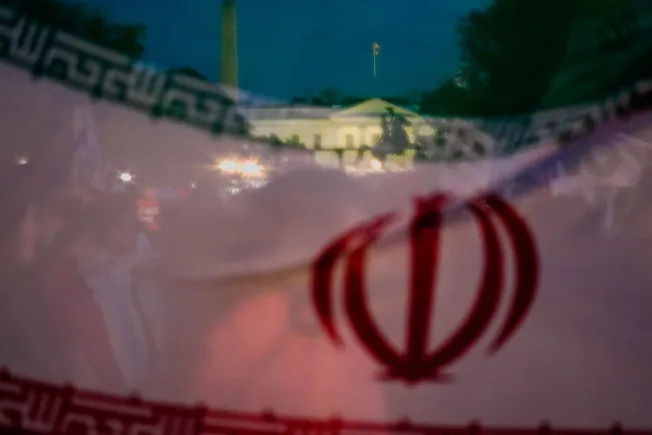
A double exposure image overlaying the Iranian flag with the White House at night.

The 1991 Trap: Why Washington Must Learn From Iraq to Survive Iran

The US-Iran ceasefire faces a historical “1991 trap,” echoing the aftermath of Operation Desert Storm where military victory failed to produce political closure. As negotiations begin in Islamabad, the fundamental gap between Iran’s 10-point plan and Washington’s “red lines” on enrichment threatens a decade of simmering conflict unless both sides move beyond containment toward genuine, conditional normalization.
Read More »
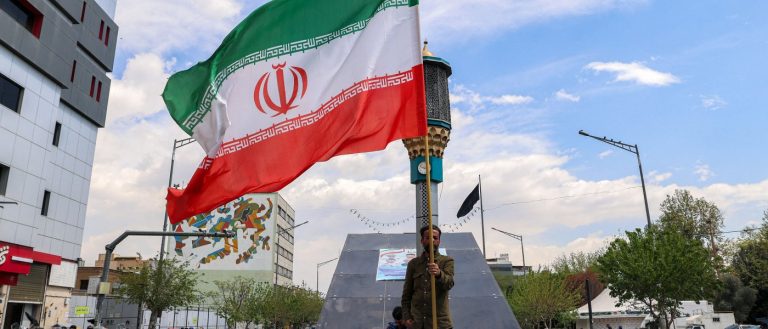
A large Iranian flag waving in an urban square with a man holding the flagpole.

Six Reasons the Iran Ceasefire Could Collapse Before It Holds

The Pakistan-brokered ceasefire is already fracturing as Israel’s “Operation Eternal Darkness” hits 100+ targets in Lebanon. Beyond the immediate violence, six fundamental “fault lines”—including clashing victory narratives, unresolved nuclear enrichment, and Iran’s intact proxy networks—suggest that the Islamabad talks may struggle to turn this 14-day pause into a lasting peace.

Read More »
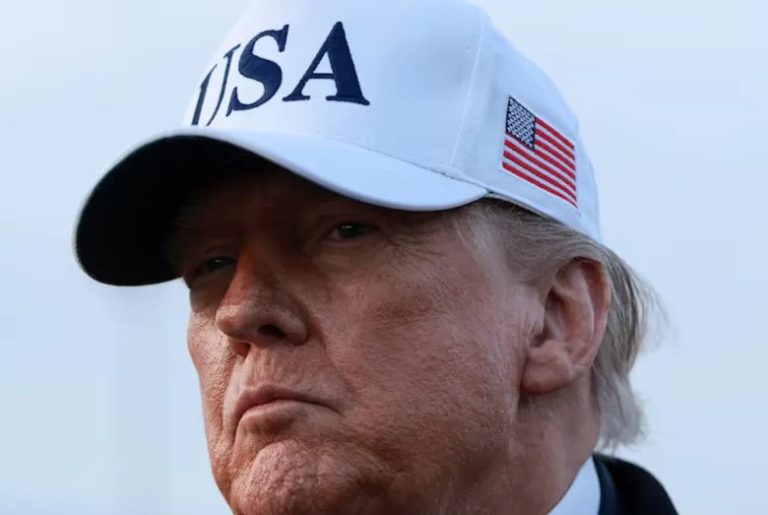
Close-up portrait of Donald Trump wearing a white "USA" hat with an American flag on the side.

America Lit the Fire and Now 40 Nations Are Cleaning Up

The geopolitical fallout of the Iran war has entered a phase of “fractured leadership.” While the United States remains the primary military aggressor, it has become a secondary actor in the diplomatic and maritime cleanup, leaving a coalition of 40 nations to navigate the chaos left in the wake of Operation Epic Fury.

Read More »
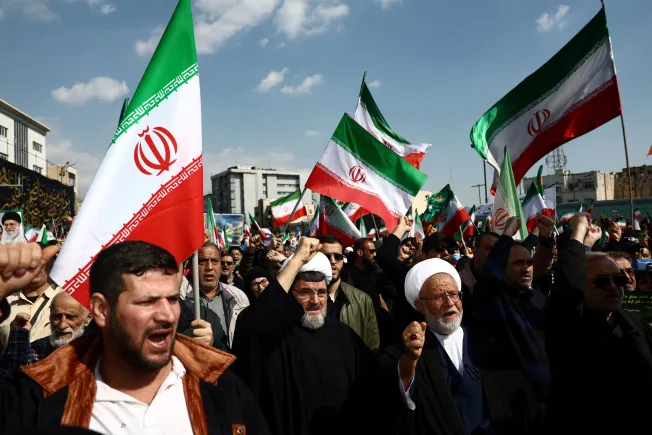
A large crowd of people in Iran waving Iranian flags and chanting during a demonstration.

Iran’s Peace Blueprint: Bold Enough to Work, or Too Late?

The publication of Mohammad Javad Zarif’s peace blueprint in Foreign Affairs on April 3, 2026, represents the most significant diplomatic opening since the start of Operation Epic Fury. While Zarif currently holds no official government title, his role as a key ally to reformist President Masoud Pezeshkian suggests this is a “cleared” trial balloon from Tehran’s remaining diplomatic corps.

Read More »
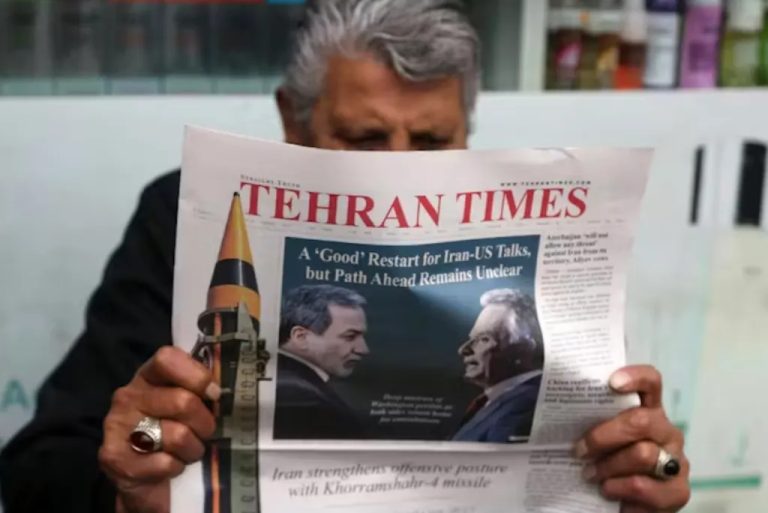
A person holding a Tehran Times newspaper featuring a headline about Iran-US talks and an image of a missile.

Bombing the Negotiating Table: How Washington Killed Its Own Diplomacy

The initiation of Operation Epic Fury on February 28, 2026, did more than just dismantle military targets—it effectively dismantled the very concept of U.S.-led nuclear diplomacy. By striking while a major breakthrough was being announced by Omani mediators, Washington has signaled that even total compliance may not be enough to avert a military “solution.”

Read More »
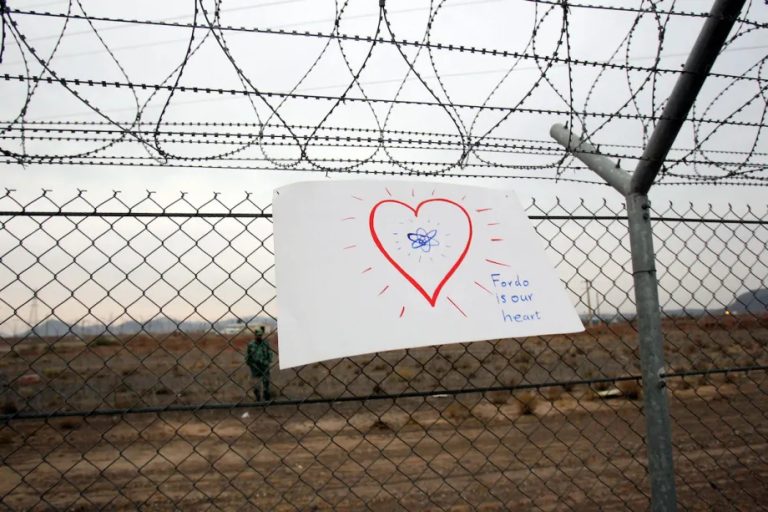
A hand-drawn sign on a chain-link fence with a heart and an atom symbol, reading "Fordo is our heart," near a military facility.

The Nuclear Double Standard Fueling the Iran War

The strike near Dimona on March 22, 2026, has crystallized a long-standing debate over the “nuclear double standard” in the Middle East. While Washington justifies Operation Epic Fury as a necessary measure to prevent Iranian nuclear proliferation, critics point to the immunity granted to Israel’s unacknowledged arsenal as evidence of a fundamentally asymmetric global order.

Read More »
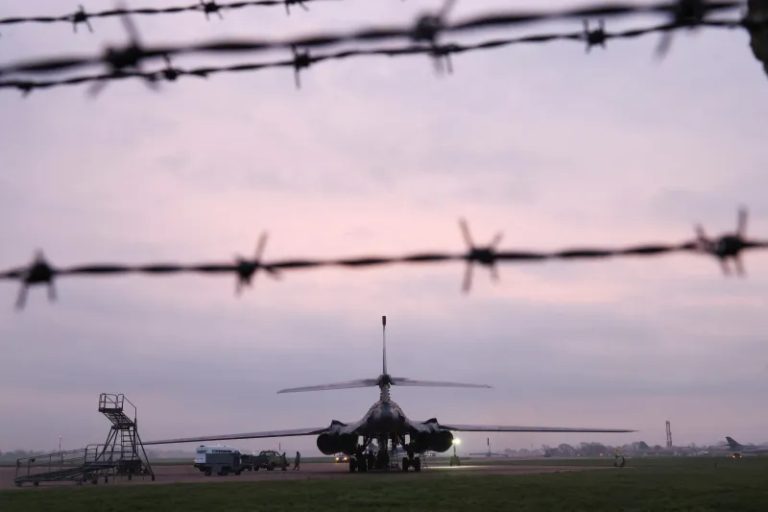
A military bomber aircraft on an airfield at dusk, viewed through a silhouette of barbed wire.

Why America’s Iran War Has No Winning Strategy

Operation Epic Fury faces a strategic deadlock as tactical successes—such as degrading 90% of Iran’s missiles—fail to yield a clear political end state. Analysts warn that the campaign has supercharged Iran’s resolve to rebuild while depleting U.S. munitions earmarked for the Pacific, effectively rescuing the Russian war budget through $120-per-barrel oil.

Read More »
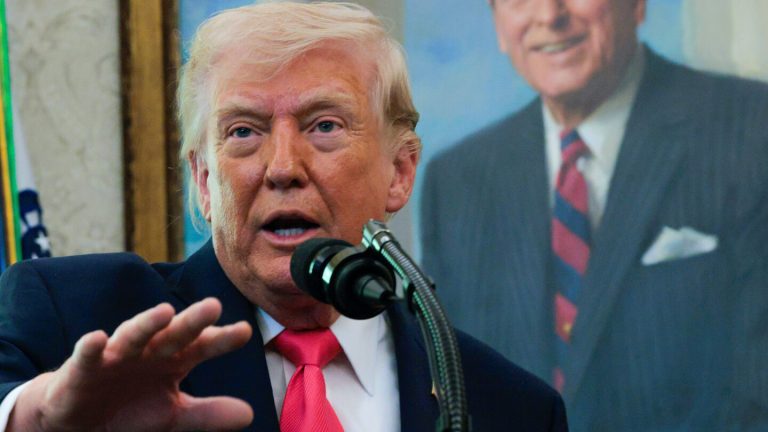
Donald Trump speaking at a microphone with a portrait of Ronald Reagan in the background.

Talks, Troops, and a Strike Near Bushehr: The War at Week Four

On Tuesday, March 24, 2026, the war reached a volatile crossroads as President Trump claimed a deal was near while the Pentagon moved 3,000 elite paratroopers toward the Gulf. Despite reported negotiations over the Strait of Hormuz, strikes near the Bushehr nuclear plant have raised fears of a radiological catastrophe.

Read More »
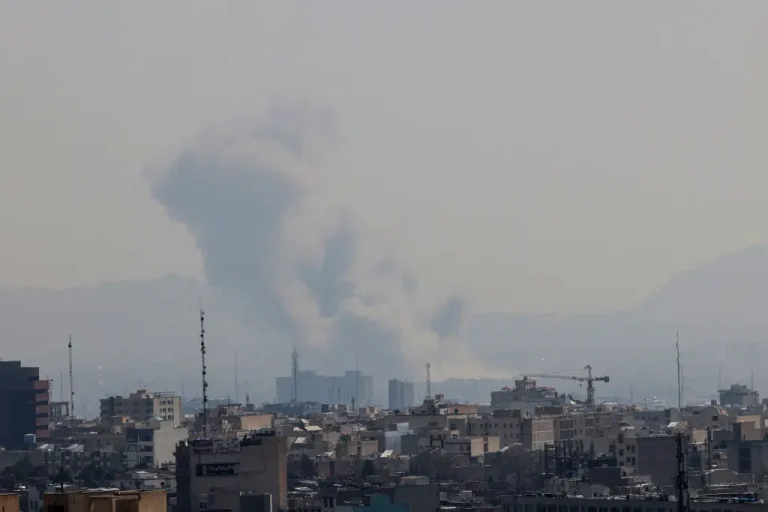
A daytime cityscape view under a hazy sky, showing a large plume of grey and white smoke rising from a building complex in the distance. Several telecommunication towers and a construction crane are visible among the city buildings.

Trump’s Power Plant Threat Pulls the Hormuz Crisis to a New Edge

President Trump has issued a 48-hour ultimatum, threatening to strike Iran’s power plants unless the Strait of Hormuz is reopened. This escalation follows a massive spike in global energy prices and retaliatory threats from Tehran to destroy regional infrastructure, leaving little room for diplomatic off-ramps as the deadline approaches.

Read More »
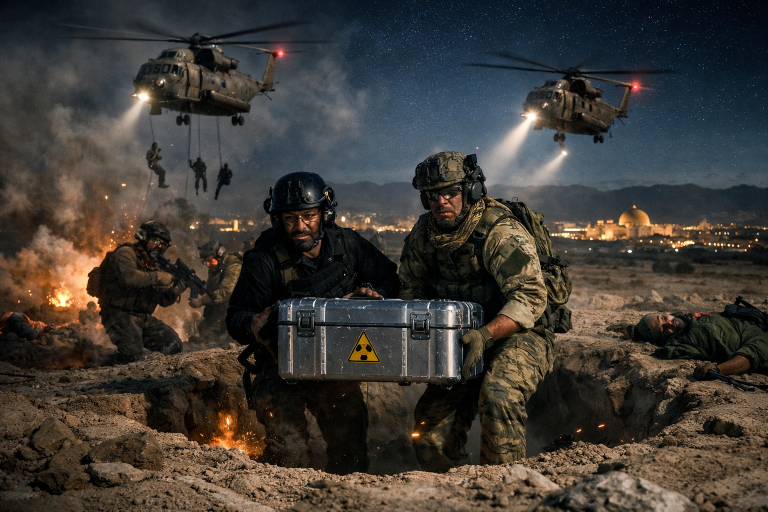
Soldiers lifting a silver metal crate with a yellow radiation warning symbol at a desert excavation site at night with military helicopters.

Leave Iran’s Uranium Buried

Iran’s enriched uranium lies buried under tons of rubble at Isfahan — and experts argue that’s exactly where it should stay. Extracting it would require a weeks‑long engineering operation under fire, while poisoning and sealing it in place would neutralize its weapons potential. Sometimes containment, not commando raids, is the smarter strategy.

Read More »
High-angle shot of Donald Trump looking down thoughtfully while adjusting his cufflinks.

Seven Traps Trump Set for Himself in Iran

Trump’s Iran war has produced seven self‑inflicted traps: a closed Strait of Hormuz, a harder‑line successor in Tehran, collapsing U.S. public support, Israeli leverage over escalation, unresolved nuclear stockpiles, shifting justifications, and a long war Iran is structurally built to endure. Each constraint narrows his options and accelerates strategic loss.

Read More »
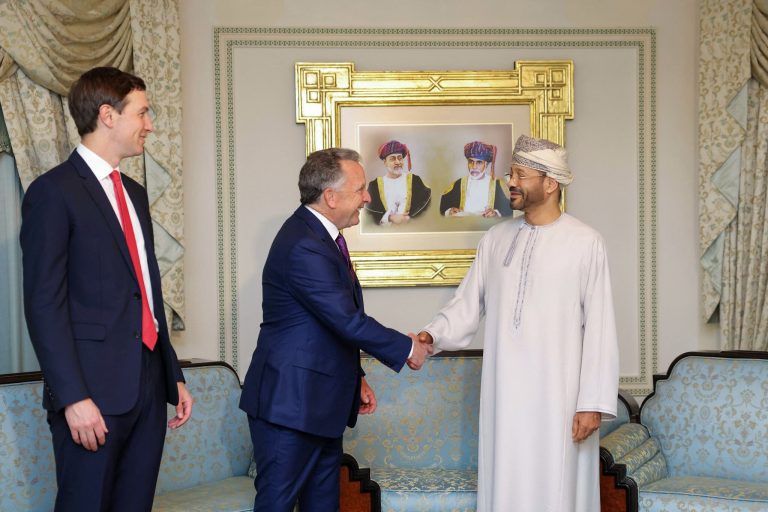
Alt Text Jared Kushner watching a handshake between a Western official and an Omani diplomat.

Did Two Unqualified Negotiators Talk Trump Into War With Iran?

A last‑minute nuclear proposal in Oman collapsed after Steve Witkoff and Jared Kushner — neither a nuclear expert — misread or misrepresented Iran’s concessions. Gulf mediators say Tehran offered unprecedented limits, but the U.S. team walked away. Their advice helped pave the path to war, raising urgent questions about competence, influence, and accountability.

Read More »