Tag: Global South

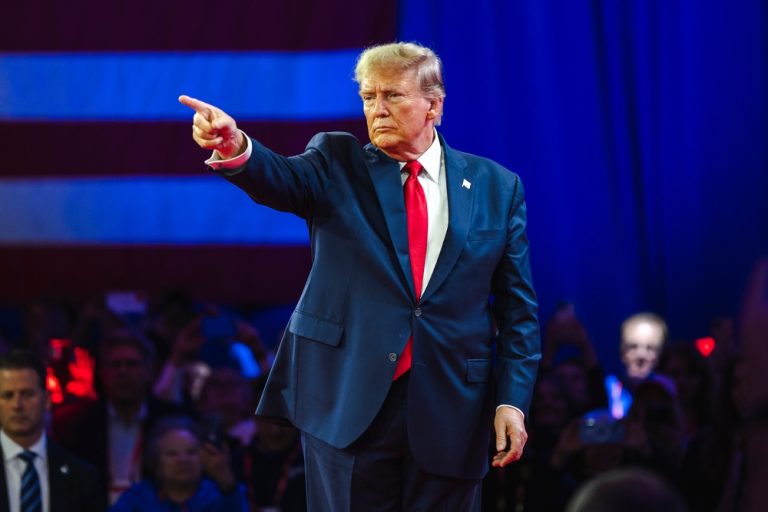
Donald Trump pointing forward confidently while speaking at a rally with an American flag background.

The Rules-Based Order Is Dead. Trump Just Buried It.

Trump’s 78‑day cascade of abductions, assassinations, tariffs, and an unauthorized war has shattered what remained of the post‑1945 rules‑based order. With the UN Charter sidelined and sovereignty treated as optional, the Global South bears the brunt — from tariffs to aid cuts to oil shocks — as a multipolar, power‑driven world accelerates into view.
Read More »
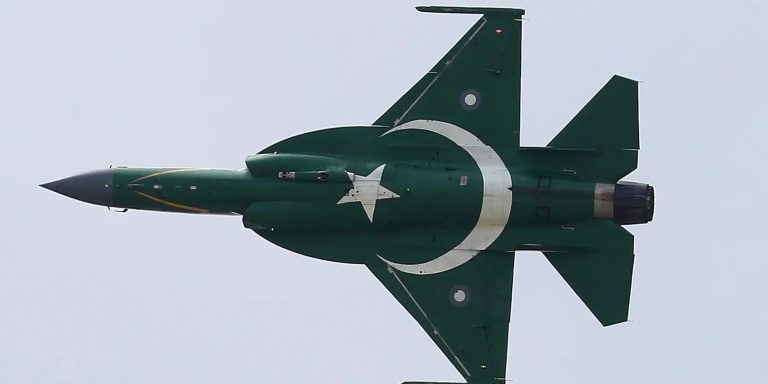
JF-17 Thunder fighter jet with the Pakistani flag painted on its fuselage flying against a clear sky.

Pakistan and Turkey Are Breaking the Western Monopoly on Airpower

Pakistan’s JF‑17 and Turkey’s Bayraktar drones are eroding Western dominance in airpower. Cheap, combat‑tested, and free of political conditions, they’re winning major export deals across Asia, Africa, and the Middle East. As Washington pushes back, a multipolar arms market is emerging — reshaping who can project power from the skies.

Read More »
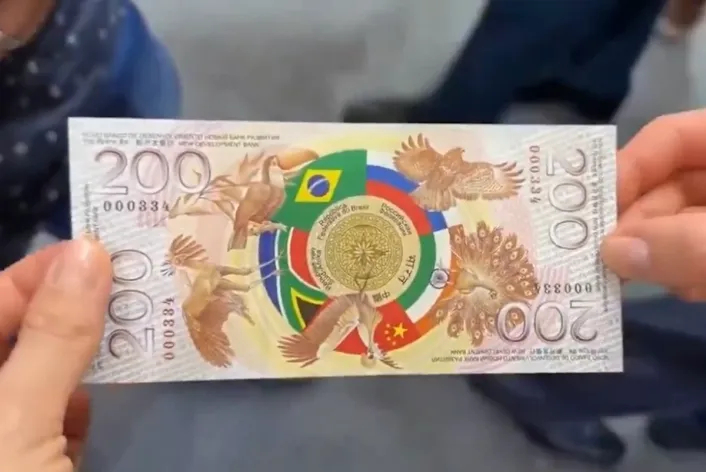
A pair of hands holding a sample banknote featuring the number "200" and a circular design in the center with the flags of Brazil, Russia, India, China, and South Africa, surrounded by illustrations of native animals like a toucan and a peacock.

BRICS and the Quest for a Neutral Global Currency

The global economy is now fully multipolar in production and consumption, yet its financial backbone still runs through a single national currency. That mismatch — a 21st‑century world running on 1944 plumbing — is what BRICS is trying to correct. Not by dethroning the dollar with the renminbi, but by building a neutral clearing system that avoids the trap of replacing one hegemon with another.

Read More »
A composite historical and modern image featuring Saddam Hussein on the left and Ali Khamenei on the right, separated by a digital blue vertical line, with blurred scenes of soldiers and military vehicles in the background.

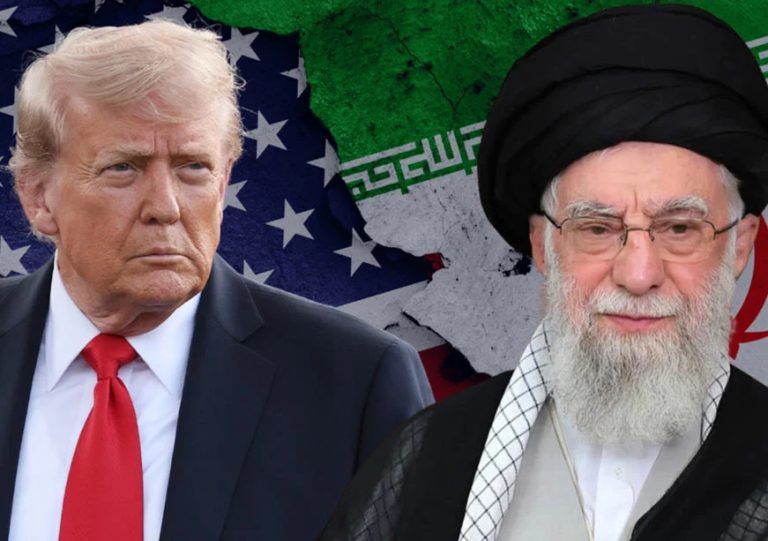
Beyond Iraq: The High Cost of a Conflict With Iran

The renewed deployment of U.S. naval power to the Gulf has revived a debate that Washington never fully resolved: can the United States coerce Iran militarily without triggering a regional or global crisis. The answer, increasingly, is no. Iran is not Iraq — not geographically, not militarily, not diplomatically, and not economically. Any conflict would be multidimensional, prolonged, and globally destabilizing.

Read More »
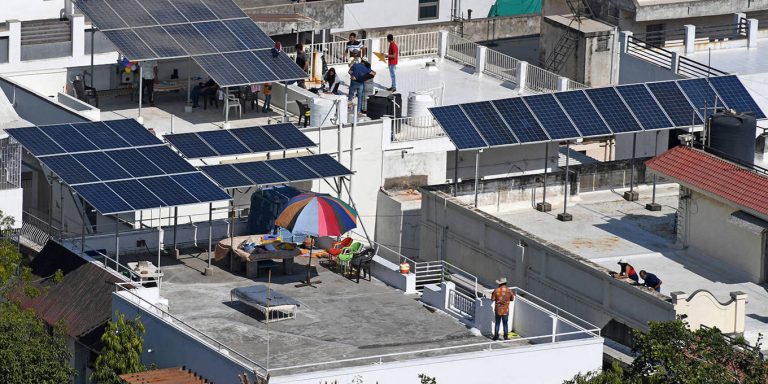
A wide high-angle shot of a residential rooftop in a sunny urban area featuring multiple solar panel arrays and people gathered on the terrace.

Digital Energy Architecture: Why Grid Modernization Precedes Climate Action in the Global South

In early 2026, the Global South is pioneering a “Digital Public Infrastructure” (DPI) approach to energy that shifts the focus from building solar panels to building the “intelligence” required to manage them. As global electricity demand is projected to grow by 3.7% in 2026, primarily outside advanced economies, the traditional linear grid is being replaced by Digital Energy Architecture.

Read More »

Multipolar Realignment: How Regional Powers Are Reshaping Global Authority

The 2026 global landscape marks a shift from Western-led multilateralism toward a multipolar order defined by middle-power “strategic autonomy” and Global South demands for structural reform. As traditional alliances strain and trade barriers rise, nations are adopting pragmatic, power-aware alignments to navigate a fragmented system where institutional authority is increasingly contested.

Read More »
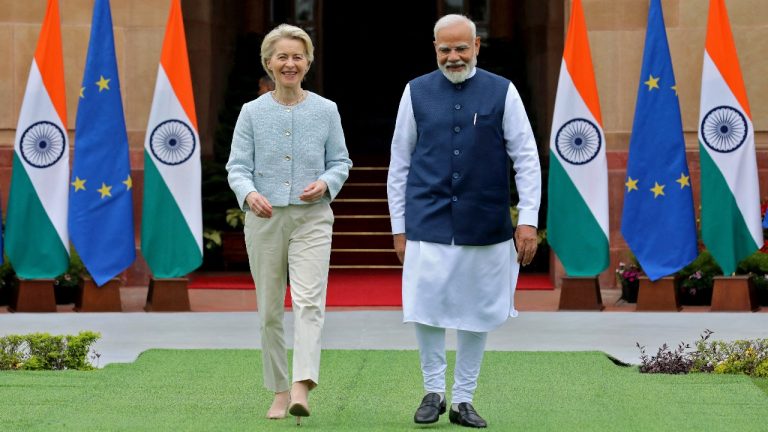
European Commission President Ursula von der Leyen speaking at the Global Gateway Forum in Brussels

Brussels’ Global Gateway Faces Credibility Crisis as Developing Nations Seek Substantive Partnerships

European attempts to build strategic partnerships with developing nations face significant skepticism, particularly as major initiatives like the €300 billion Global Gateway program are criticized for failing to produce expected changes. Global South partners express doubts that Brussels is offering new resources for infrastructure and development, instead viewing these efforts as a mere rebranding of existing commitments in contrast to China’s Belt and Road Initiative.

Read More »