Tag: Geopolitics

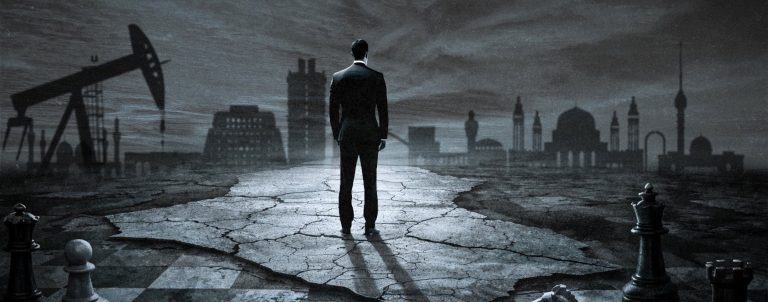
A digital illustration of a man in a suit viewed from behind, standing on a cracked map shaped like Iraq, looking toward a dark, silhouetted skyline with an oil derrick and mosques.

Iraq’s Political Gamble: When Strongmen Return to Fragmented States

In early 2026, Iraq finds itself in a state of “organized confusion” as it attempts to finalize its government following the November 11, 2025 elections. The sudden withdrawal of Mohammed Shia al-Sudani and the push for Nuri al-Maliki’s return have transformed a domestic transition into a high-stakes standoff between Washington and Tehran.

Read More »
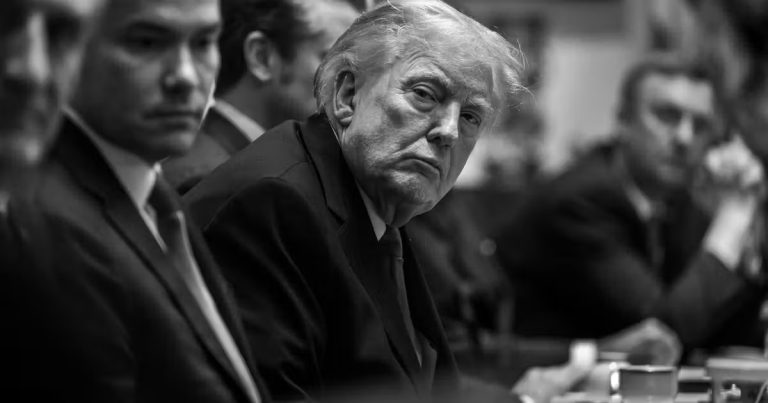
A black and white, high-contrast close-up of Donald Trump sitting at a long table during a meeting, looking towards the camera with a stern expression, surrounded by other men in suits who are partially blurred.

The Psychology of Escalation in Foreign Intervention

U.S. decision‑making on Iran is increasingly shaped not by structured interagency analysis but by a feedback loop of emotional validation. When a leader repeatedly asks a narrow circle of loyalists whether an action is a “winner,” the question itself becomes a self‑fulfilling prophecy. The result is a foreign policy environment where impulse, affirmation, and narrative gratification override strategic caution.

Read More »
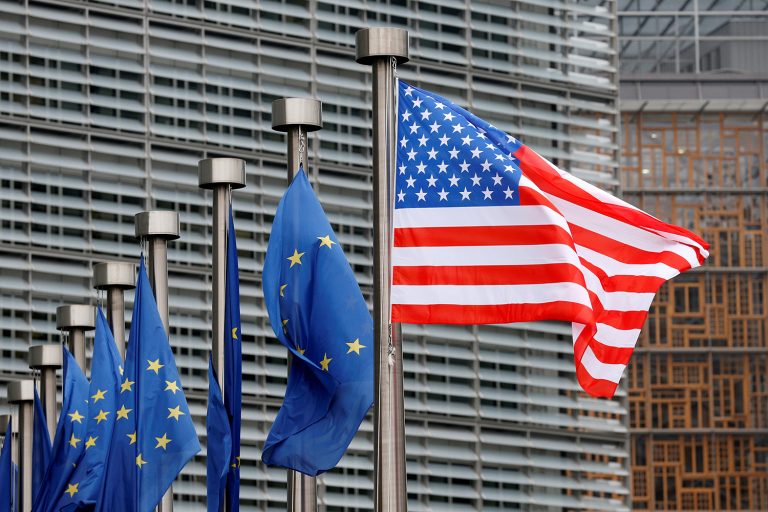
A close-up view of several silver flagpoles in a row, with multiple European Union flags and one prominent United States flag waving in front of a modern glass office building.

Tariff Barriers and the Reshaping of Global Trade Partnerships

The liberal trade order that defined the post‑1945 world is no longer collapsing suddenly — it is dissolving structurally. The rise of protectionism, especially in the United States, is forcing every major economy to redesign its trade strategy in real time. What emerges is not a new system, but a fragmented landscape of overlapping blocs, bilateral deals, and improvised coalitions.

Read More »
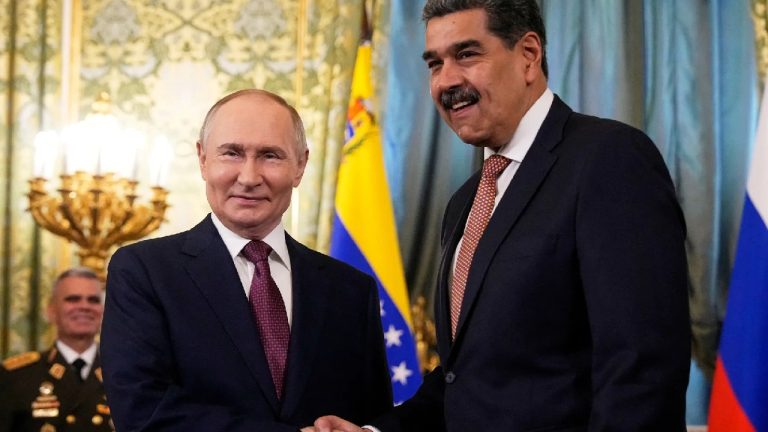
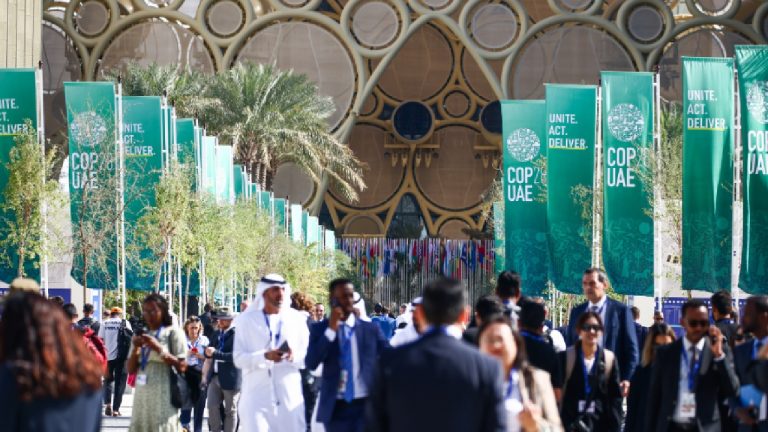
A crowded outdoor walkway lined with tall green "COP28 UAE" banners, with palm trees and a large domed architectural structure in the background.

Middle Eastern Energy Politics: Transition as Power Redistribution Rather Than Technical Evolution

Middle Eastern energy transition is not a mere technical shift but a fundamental geopolitical power redistribution. While regional players like Saudi Arabia and Qatar invest in renewables, they simultaneously leverage hydrocarbons to assert autonomous diplomacy, navigating a multipolar world where energy remains a primary instrument of strategic influence and state survival.

Read More »