Tag: Gatestone Institute

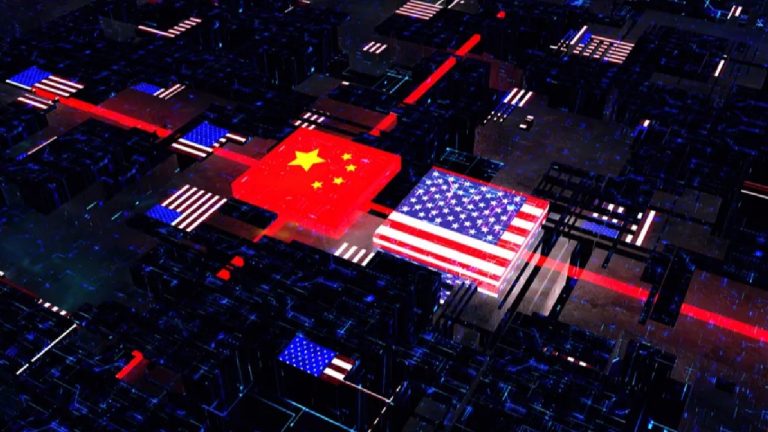
A digital circuit board concept featuring glowing flags of the United States and China connected by light rays.

Strategic Energy Competition: Nuclear Fusion Development Reshapes US-China Technological Rivalry

The competition between Washington and Beijing over nuclear fusion technology is a key aspect of 21st-century geopolitical rivalry, impacting not just energy policy but also artificial intelligence, military applications, and global economic power. China has invested at least $6.5 billion in fusion since 2023, significantly outpacing US funding. The urgency for both nations to develop commercial fusion power is intensified by increasing energy demands from AI infrastructure. China’s recent achievement of a 1,000-second plasma containment further challenges US dominance. The nation that first commercializes fusion will likely set industry standards and control supply chains, analogous to past competitions in solar panels and electric vehicles.

Read More »
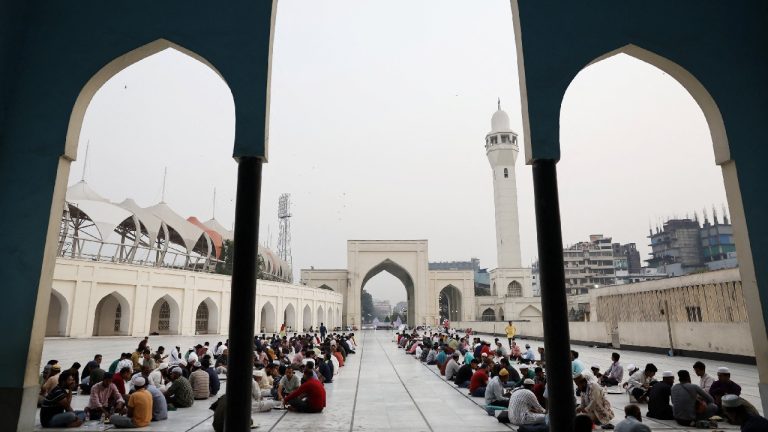
A wide view of many people sitting in rows on the ground in the courtyard of a large, white mosque with a tall minaret.

Bangladesh Political Transition: International Engagement with Islamist Movements

Bangladesh is undergoing significant political changes after the 2024 government transition, with increased international engagement, particularly from the United States, with various political groups ahead of the February 2026 elections. This diplomatic activity has spotlighted Islamist political movements, prompting discussions about strategic considerations, the future of democratic development, and implications for regional stability.

Read More »
Three police officers in navy blue uniforms with "3A" patches on their backs walking down a city street

The Silent Front: How the Middle East Conflict Has Metastasized in Europe

The European security landscape has transformed dramatically since October 2023, with a new, less visible front emerging within the EU. As attention is focused on the conflicts in Gaza and Lebanon, intelligence assessments reveal that Europe has become a logistical and operational theater for terrorist organizations. This shift signifies a hybrid threat infrastructure, blurring the lines between political activism, illicit finance, and paramilitary planning. Security services in Western Europe are increasingly alarmed by a “shadow war,” where charitable networks and student movements may unwittingly support groups like Hamas in establishing their presence in the West.

Read More »