Tag: Arms Trade

Several men in dark suits walking past a building with a "FRANCK MULLER" watch advertisement in the window, with a seagull blurred in flight.

Ukraine Offers Drone Killers to the Gulf While Russia Cashes In on War

Russia is profiting from the Iran war as oil prices surge, sanctions ease, and U.S. air‑defense stockpiles drain. Ukraine, facing shortages, is pivoting fast — offering its battle‑tested counter‑drone tech to Gulf states. As Moscow plays mediator and shares intelligence with Tehran, Kyiv fights to stay relevant in a distracted world.

Read More »
Political cartoon of a European leader looking at a NATO compass pointing toward the US.

Beijing’s Case for a European Break With NATO

China’s state media cast Rubio’s Munich speech as proof Europe should quit NATO, but Europe is rearming within the alliance, not abandoning it. Beijing’s call ignores EU–China trade frictions and Europe’s dependence on Chinese rare‑earths. The real debate is about European autonomy inside NATO — not a break with Washington.

Read More »
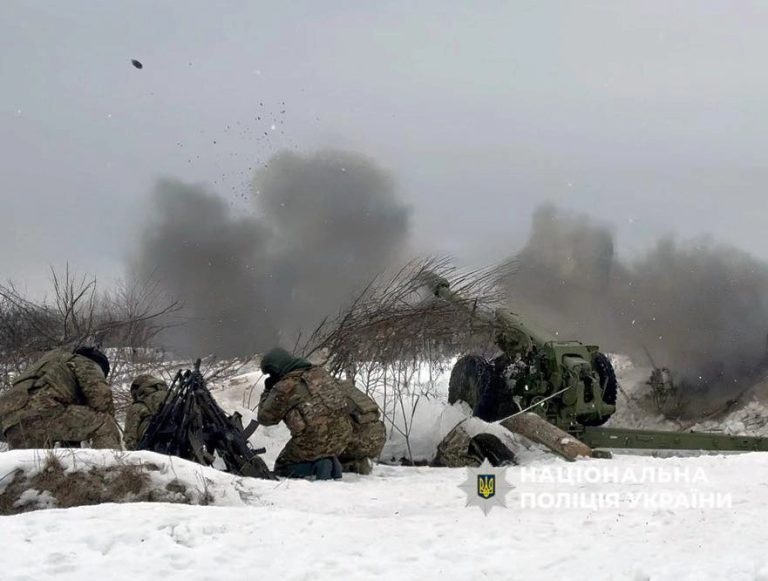
Ukrainian soldiers firing a heavy artillery cannon in a snowy field during the fourth year of the conflict.

Four Years of War: Ukraine Demands Action Over Words

Four years into Russia’s invasion, Ukraine faces a grinding stalemate as Western aid shifts. U.S. support has sharply declined while Europe shoulders most military and financial assistance. Sanctions strain but don’t break Russia. Ukraine demands air defense and sustained backing to prevent further losses and secure its future.

Read More »
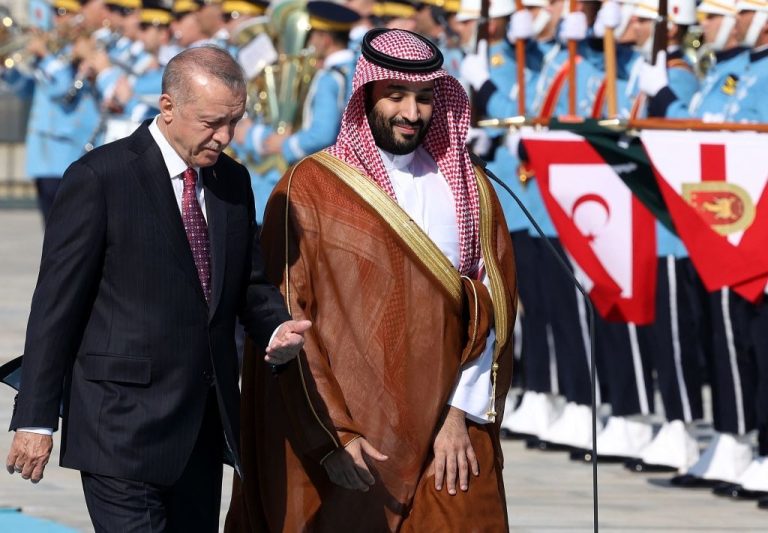
Turkish President Recep Tayyip Erdoğan and Saudi Crown Prince Mohammed bin Salman walking together during an official ceremony.

Turkey’s Sunni Coalition Push Reshapes Middle East Power

Turkey is building a new Sunni‑majority alignment through rapid diplomacy with Saudi Arabia, Egypt, and Jordan. Arms deals, industrial cooperation, and coordinated statements on Gaza signal Ankara’s expanding influence. But rival ambitions, Gulf hedging, and Israel’s resistance to Turkish involvement in Gaza could limit how far this emerging coalition can solidify.

Read More »
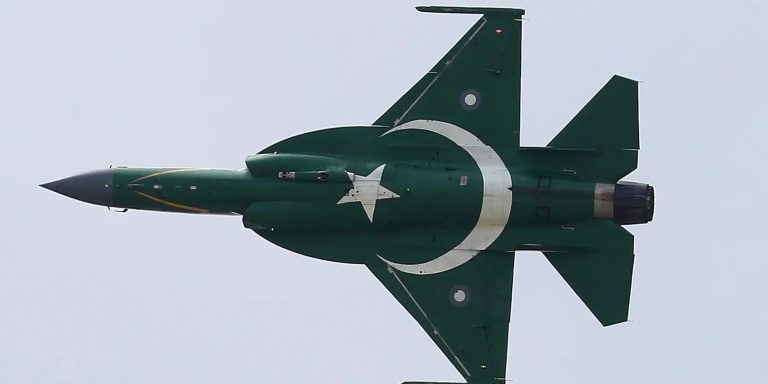
JF-17 Thunder fighter jet with the Pakistani flag painted on its fuselage flying against a clear sky.

Pakistan and Turkey Are Breaking the Western Monopoly on Airpower

Pakistan’s JF‑17 and Turkey’s Bayraktar drones are eroding Western dominance in airpower. Cheap, combat‑tested, and free of political conditions, they’re winning major export deals across Asia, Africa, and the Middle East. As Washington pushes back, a multipolar arms market is emerging — reshaping who can project power from the skies.

Read More »
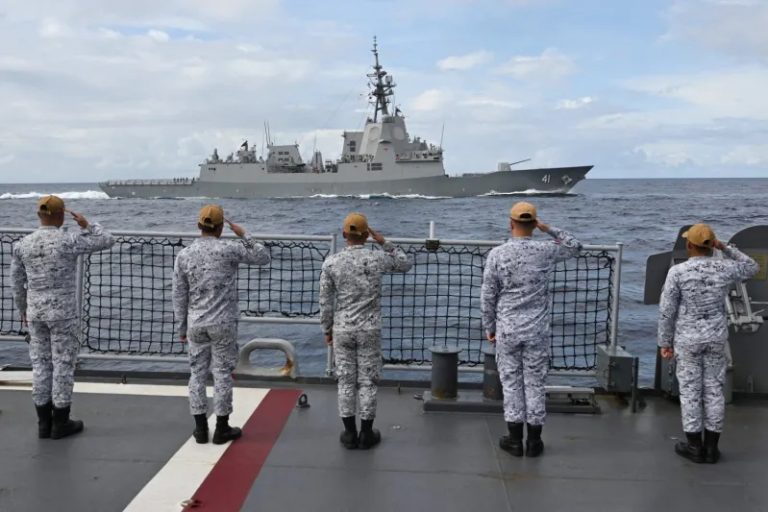
Five sailors in gray and white camouflage uniforms standing on the deck of a ship, facing away from the camera and saluting a large gray guided-missile destroyer with the hull number "41" sailing parallel to them in the open sea.

Trump’s Arms Export Overhaul Threatens Indo-Pacific Ties

The new “America First” arms‑transfer strategy is not a bureaucratic tweak. It is a fundamental reordering of how Washington decides who gets weapons, when, and why. By ranking partners based on defense spending, geographic utility, and economic benefit to the U.S., the administration has replaced alliance‑building with transactional filtering.

Read More »
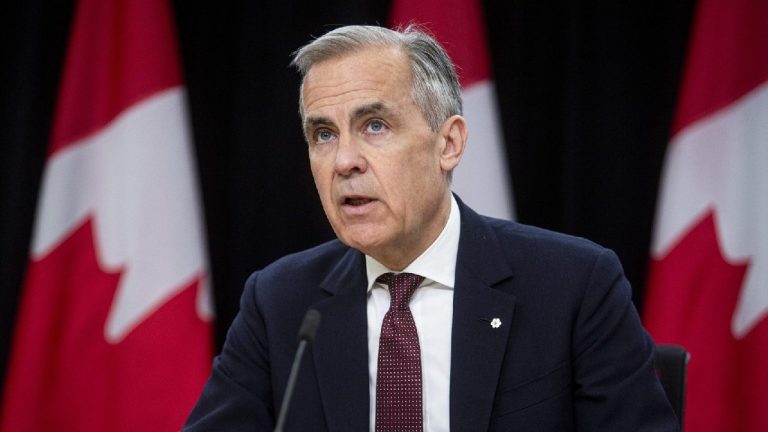
A man in a dark suit and red tie speaking at a podium with Canadian flags in the background.

Canada’s Middle Power Rhetoric Collides With Gaza Reality

This analysis examines the growing disconnect between Prime Minister Mark Carney’s “middle power” rhetoric and Canada’s policy on Gaza as of early 2026. While Carney utilized the Davos 2026 platform to signal a new era of diplomatic “honesty,” critics argue that Canada’s continued use of arms-export loopholes and its response to the current nominal ceasefire highlight a systemic failure to apply international law consistently.

Read More »