Tag: Ansarallah

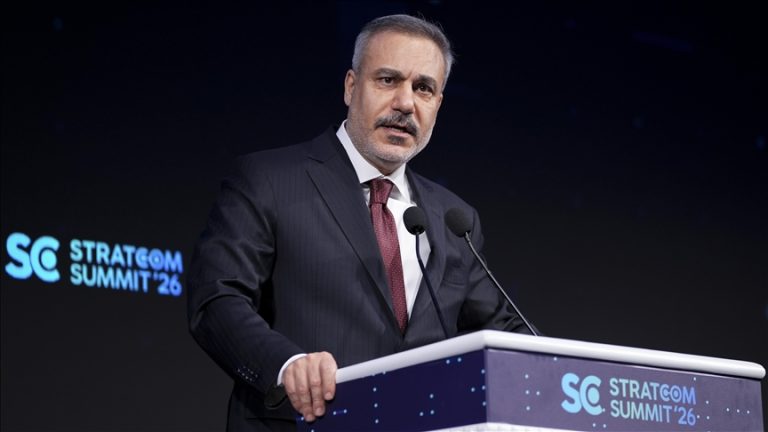
Turkish Foreign Minister Hakan Fidan speaking at the Stratcom Summit '26 podium.

Turkey Warns Iran War Risks Regional Catastrophe

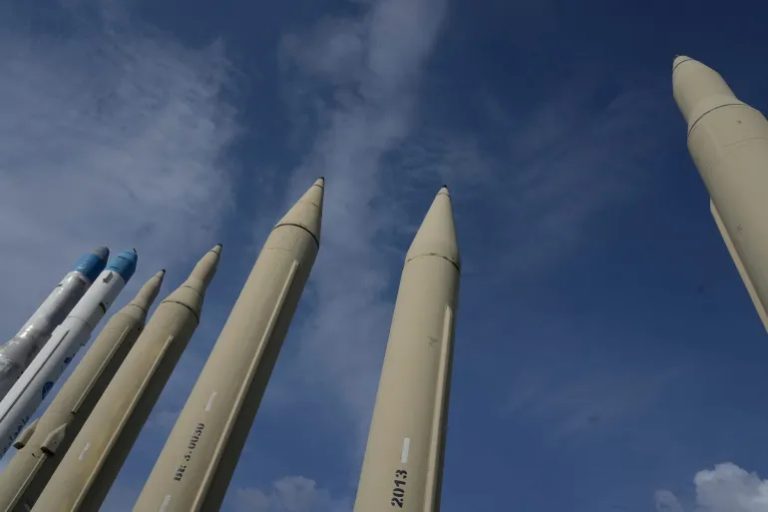
Foreign Minister Hakan Fidan has warned that the Iran war is a “systemic rupture” driving the Middle East toward a regional catastrophe. Speaking at the STRATCOM 2026 summit before emergency talks in Islamabad, Fidan blamed Israeli escalation for the crisis and highlighted Turkey’s unique vulnerability to rising energy deficits, missile spillover, and potential Kurdish mobilization along its borders.
Read More »
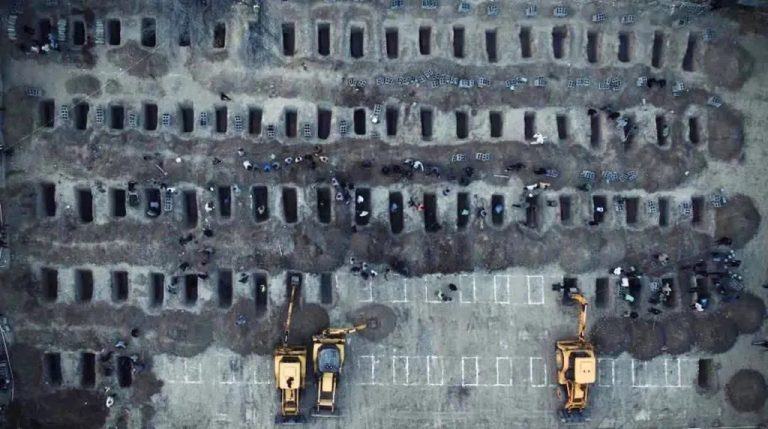
A high-angle aerial view of a large burial site showing numerous rows of open rectangular graves in the earth that belongs to 180 girl students were killed in minab school by us missiles.

The US Gutted Its Civilian Protection Program Then Went to War

The Minab school strike, which killed more than 165 people, exposes how the U.S. dismantled its civilian‑protection system before launching the Iran war. The CHMR program was gutted, legal safeguards removed, and oversight hollowed out — leaving no‑strike mapping undone and accountability weakened. Civilian casualties are rising, and the strategic costs are compounding.

Read More »
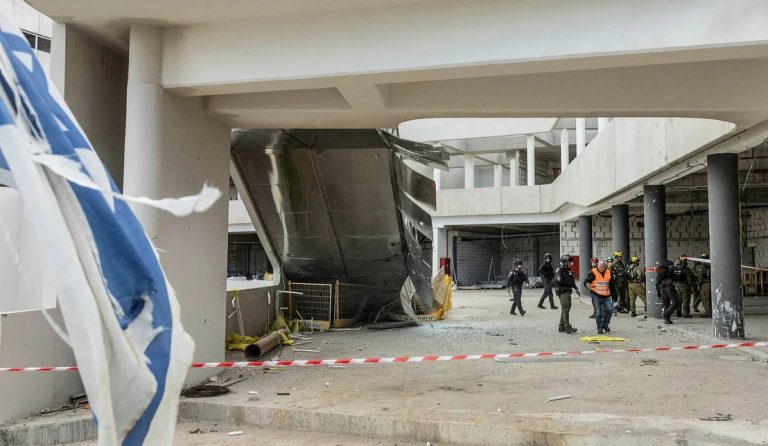
A tattered Israeli flag overlooks a damaged building interior where a large metal structure has collapsed, with emergency responders in orange vests and armed security personnel walking through the debris behind red and white caution tape.

US Threatens Iran With ’20 Times’ Harder Response Over Hormuz

The U.S.–Israel war with Iran has entered a deadly rhythm: heavy American strikes, rising regional casualties, and Iran threatening the Strait of Hormuz. Over 140 U.S. troops are wounded, Gulf states face missile barrages, and oil flows have nearly halted. Trump warns Iran will be hit “20 times harder” if Hormuz is mined.

Read More »
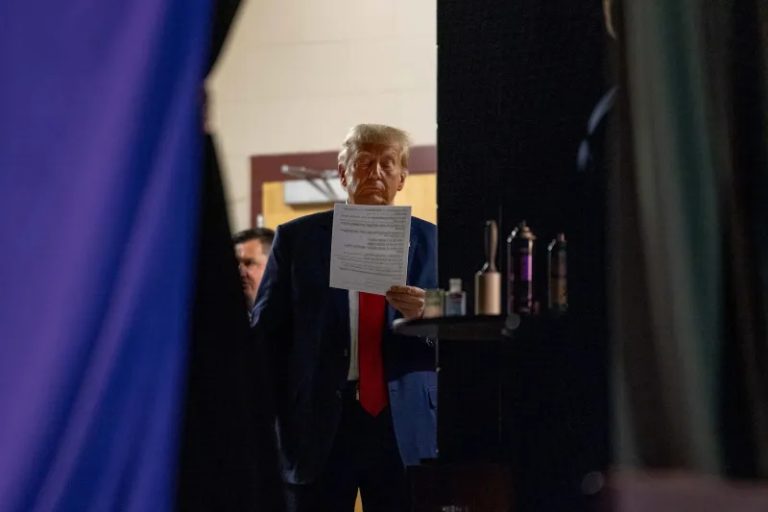
Candid behind-the-scenes shot of Donald Trump reading a document backstage.

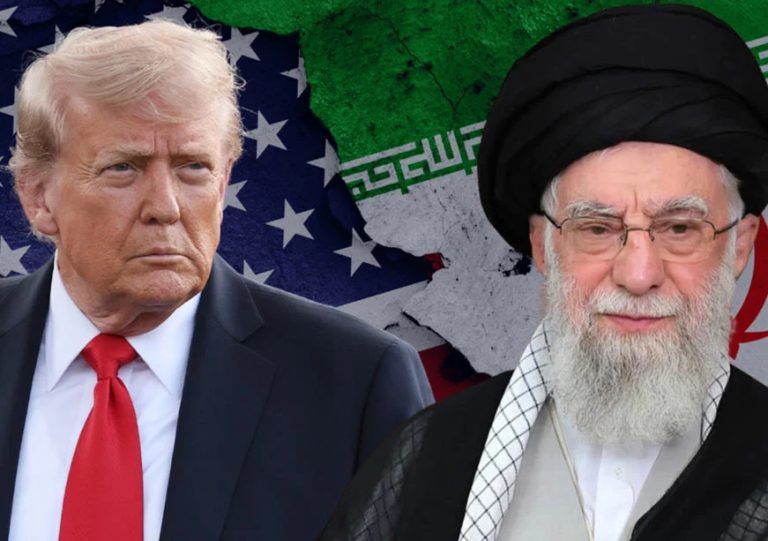
Washington May Be Speaking the Wrong Language With Tehran

Khamenei’s invocation of Karbala signals a shift from deterrence to existential defiance, undermining Washington’s assumption that limited strikes can coerce Iran. Tehran’s doctrine favors horizontal escalation, hardened nuclear sites, and regional proxies. With succession fears rising, even a “surgical” U.S. attack risks unifying Iran’s system and triggering unpredictable retaliation.

Read More »
A composite historical and modern image featuring Saddam Hussein on the left and Ali Khamenei on the right, separated by a digital blue vertical line, with blurred scenes of soldiers and military vehicles in the background.

Beyond Iraq: The High Cost of a Conflict With Iran

The renewed deployment of U.S. naval power to the Gulf has revived a debate that Washington never fully resolved: can the United States coerce Iran militarily without triggering a regional or global crisis. The answer, increasingly, is no. Iran is not Iraq — not geographically, not militarily, not diplomatically, and not economically. Any conflict would be multidimensional, prolonged, and globally destabilizing.

Read More »