Trump administration’s October 2025 appointment of Detroit cannabis entrepreneur Mark Savaya as Iraq special envoy represents strategic recalibration toward business-oriented, transactional Middle East engagement. Savaya, born in Detroit 1983 to Iraqi Chaldean family that emigrated from Tel Kepe in Nineveh Plains during the 1990s, owns Leaf and Bud dispensary chain and lacks traditional diplomatic experience, yet Trump praised his “deep understanding of Iraq-US relationship” and credited him as “key player in Michigan campaign securing record vote with Muslim Americans.”
Savaya’s inaugural statement declared “there is no place for armed groups operating outside the authority of the state,” concluding with “MAKE IRAQ GREAT AGAIN”—echoing Trump’s signature slogan while emphasizing sovereignty restoration objectives. This appointment bypasses traditional diplomatic channels, signaling shift toward deal-making diplomacy focused on consolidating Iraqi armed forces under state control and reducing Iranian influence.
Strategic Objectives and Regional Context
Moshe Dayan Center analysis emphasizes Savaya “has adopted an activist approach, placing considerable pressure on the pro-Iranian camp through public calls to disarm militias, cease financing terrorism, and terminate Iranian interference.” His close relationship with Prime Minister Mohammed Shia al-Sudani and post-election militia disarmament demands “signal American preference for al-Sudani’s remaining in office.”
Trump administration’s twofold mission involves consolidating armed forces under legitimate state command while drastically reducing malign foreign player influence, particularly Iran. The plan seeks opening Iraqi markets to international investment, upgrading infrastructure, and securing energy sector independence to establish genuine partnership respecting Iraqi unity while eliminating it as central node for militia activity or external interference.
This strategy arrives when Iran’s regional “axis of resistance” faces unprecedented pressure. Having lost primary Syria foothold after Assad regime fall in late 2024, and witnessing Hezbollah’s political and military standing severely decimated by 2025 Israel conflict, Iranian proxies confront real prospect of losing Iraq grip. For Tehran, maintaining Baghdad influence represents final stand to remain relevant regional power.
Militia Influence and Political Fragmentation
Iraq’s November 2025 parliamentary elections amplified armed factions and militias operating outside formal state command—groups emerging among biggest winners. Iraqi Prime Minister al-Sudani described Savaya’s appointment as “important step, especially as he is of Iraqi origin,” adding Savaya “certainly has understanding of the nature of his original homeland” and “has good relations with everyone.”
However, ongoing government negotiations illuminate non-state actor power raising crucial concerns: How can Iraq enforce law and attract foreign investment if armed groups challenge state authority? Armed forces consolidation under complete state control constitutes urgent necessity underscored by rising regional tensions and security threats.
According to Al Jazeera analysis, at least three Iran-aligned militias have publicly agreed to disarm following Savaya’s calls, though other groups reject demands outright. The path toward genuine stability remains obstructed by entrenched political interests, as many political parties focus more on controlling lucrative state resources than implementing meaningful reforms.
Unconventional Background and Diplomatic Controversy
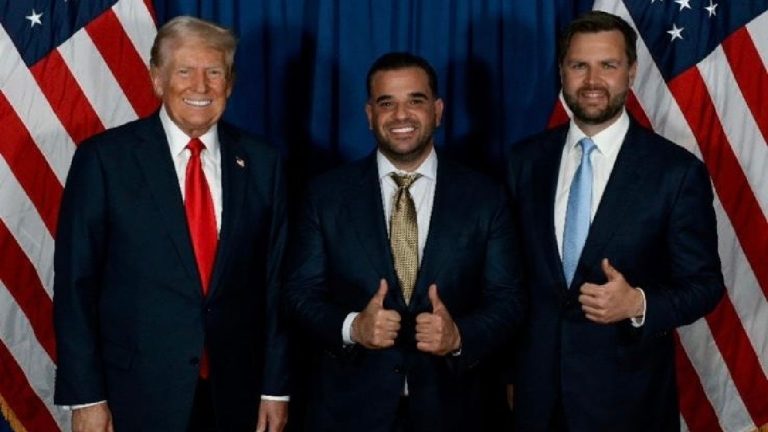
Wikipedia documents Savaya worked in convenience store industry before co-founding Future Grow Solutions in Birmingham, Michigan after cannabis legalization in November 2018. He donated to Trump’s presidential campaign in June 2020, appeared at multiple Trump rallies during 2024 campaign, and was photographed with Trump senior advisor Massad Boulos for Arab and Middle Eastern affairs.
His involvement in May 2024 cannabis billboard dispute saw Detroit City Council member Angela Whitfield-Calloway request removal of “The Mark Savaya Collection” advertisements citing prevalence concerns. Savaya’s entrepreneurial marijuana background raised eyebrows since cannabis remains illegal in Iraq and much Middle East.
However, Savaya played instrumental role in negotiations securing release of Elizabeth Tsurkov, Israeli-Russian Princeton academic kidnapped by Iraqi Kataib Hezbollah militia for over 903 days. Tsurkov congratulated Savaya’s appointment, stating he “played instrumental role in setting me free after 903 days in captivity… without anything given in return. This is terrible news for anyone serving Iran’s interests in Iraq.”
Regional Actor Dynamics and Strategic Calculations
Savaya outlined vision noting Iraq’s leadership has taken important steps over past three years guiding country in right direction politically and economically. Iraq has begun reemerging as sovereign state “working to reduce external influence, bring all weapons under control of legitimate government, and open markets to international companies to help rebuild and develop nation’s fragile infrastructure.”
Turkey has recalibrated strategy integrating Iraq into ad hoc regional trade and security frameworks, effectively diluting Iran’s centrality. Simultaneously, Gulf monarchies including Saudi Arabia and United Arab Emirates emerge as key economic and security partners for Baghdad, offering alternative to Iranian reliance. However, these regional actors bring own agendas—Turkey’s focus on containing Kurdish movements potentially conflicting with US objectives.
Islamic Revolutionary Guard Corps actively works maintaining unity among key Shia factions in Baghdad, signaling Iran’s deep interest shaping Iraq’s political alignment and future path. Tehran views Iraq not just as neighbor but crucial strategic ally for projecting power across entire region.
Transactional Realism Framework
The “Make Iraq Great Again” strategy reflects pragmatic reassertion of US interests prioritizing Washington’s security and economic power over idealistic goals. By appointing Savaya—unconventional, business-oriented envoy—Trump administration employs “transactional realism” utilizing economic diplomacy and personal ties as strategic tools pulling Iraq from Iran’s orbit.
Iraqi political analyst Falah Al-Mashaal described the special envoy appointment decision rather than traditional ambassador as “puzzling” and “unusual under diplomatic norms,” noting “special envoy is usually sent for specific mission—during crisis, war, or to deliver particular message.” He linked appointment to Trump’s recent comments at Sharm el-Sheikh peace summit referring to Iraq’s “vast oil wealth” and accusing leaders of mismanaging it.
UK-based Iraqi analyst Alex Warkes suggested the decision carries domestic political implications: “I believe appointment was coordinated with Prime Minister Mohamed Shia Al-Sudani’s team, perhaps to support his bid for second term. We don’t yet know what exchange might be—but time will tell.” Warkes questioned whether Savaya’s appointment was coordinated with Israel given Trump’s Middle East policy “has always prioritised Israeli interests more than any predecessors.”
Leverage Mechanisms and Implementation Challenges
Moshe Dayan Center emphasizes Trump administration holds significant leverage shaping next government composition: “United States can use access to dollars, threat of sanctions on banks and businesses, and threat of air strikes on militias to influence negotiations.”
This high-stakes attempt shifting regional power balance faces significant “security dilemma” as aggressive moves diminishing Iranian influence may trigger violent defensive response from Tehran protecting remaining strategic assets. While strategy seeks exploiting regional shift—leveraging weakened Iranian proxy state in Syria and Lebanon—it must contend with “hybrid” power of Iraqi militias and narrow self-interests of neighboring players.
Success depends on whether US can dismantle shadow economies facilitating foreign interference and establish stable, autonomous Iraqi state capable of navigating intense geopolitical tug-of-war between Washington and Tehran. If this unconventional diplomatic push can bridge internal divides—particularly between Baghdad and semi-autonomous Kurdish region—Iraq may secure path toward economic independence; otherwise, nation risks remaining perpetual battleground caught in geopolitical crossfire.
Original analysis by Firas Dabbagh from Al Jazeera. Republished with additional research and verification by ThinkTanksMonitor.