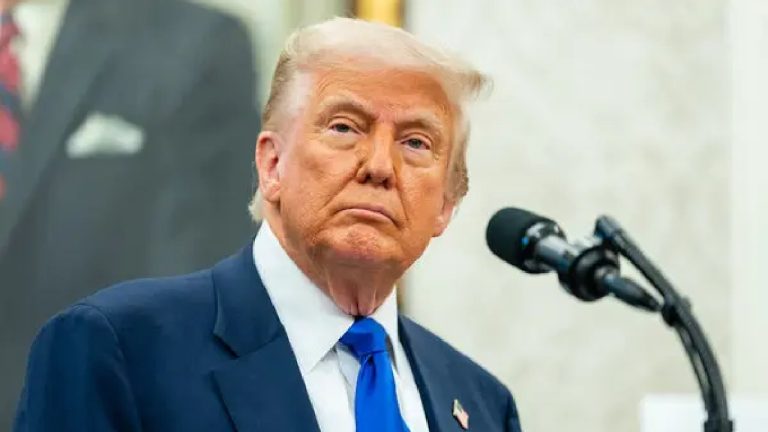
The post-2024 “Trump vibe shift”—corporate America embracing Trumpism with force disproportionate to his narrow electoral victory—has disintegrated twelve months later. Trump’s approval sits at 42.8% with 54% disapproving as of December 21, while economic approval collapsed to 36% in NPR/PBS/Marist polling—his lowest mark. Democrats swept November 2025 gubernatorial races in New Jersey and Virginia by double digits, exposing how cultural correction momentum created conditions for Republican overreach unsupported by actual voter preferences.
Narrow Electoral Victory Spawned Disproportionate Cultural Shift
Trump secured 49.9% popular vote with battleground margins so slim that flipping 175,000 votes would have delivered presidency to Kamala Harris. Poll after poll showed cost-of-living concerns drove this narrow victory—not ideological mandate for rightward lurch. Yet Trump’s win provided confidence to executives, billionaires and institutions whose frustrations concentrated across Biden years.
Mark Zuckerberg donned chains while declaring corporate America “too hostile to masculine energy.” Companies gutted diversity, equity and inclusion bureaucracies they never wanted. Comedians felt freed from “language police.” Trump’s coalition—stretching from Stephen Miller to Elon Musk to Robert F. Kennedy Jr.—appeared as something new rather than final heave of something old.
This cultural momentum divorced from electoral reality created dangerous illusion. New York magazine profiled “The Cruel Kids’ Table”: circles where “joke about Puerto Ricans or eugenics or sleeping with Nick Fuentes could throw pack of smokers into gigglefest.” Cruelty as dominant culture repulsed most Americans once novelty wore off. The vibe shift granted MAGA momentum election results never justified—enabling overreach that destroyed that momentum.
Tariff Regime Undermines Economic Credibility
Trump promised lower prices through policies—tariffs and deportations—that raise prices by driving up goods and labor costs. Rather than persuading Americans to bear higher costs for domestic manufacturing or Chinese isolation, Trump lied: Americans would pay nothing and gain everything.
Liberation Day triggered market shudders. Coffee prices rose. Trump backed off tariffs when pain threatened markets or when China’s export restrictions threatened American manufacturers, yet hasn’t abandoned the project. The result: tariff regime raising prices, confusing companies, alienating allies while accomplishing little. United States lost manufacturing jobs in 2025. Labor market weakens. Deficits rise.
NPR/PBS/Marist poll found only 36% approve of Trump’s economic management—Democrats muscled to four-point edge on the issue. 70% of Americans say things have become too unaffordable with dim outlook on economy. Reuters/Ipsos found just 33% approved of Trump’s economic handling in December—lowest since taking office, driven partly by growing dissatisfaction among Republicans.
Trump’s overall approval rating in Emerson College polling stood at 41%—numbers flipped since inaugural survey from 49% approving to 50% disapproving. AP-NORC found approval slipped about 10 points since March on both economy and immigration.
Immigration Cruelty Alienates Moderates Including Right-Wing Figures
Joe Rogan stated in October: “The immigration thing—the way it looks is horrific. When you’re just arresting people in front of their kids—normal, regular people who’ve been here for 20 years—everybody who has a heart can’t get along with that.”
Pew Research found 20% of Republicans believed Trump administration going “too far” in deportation policies, up from 13% in March. Among Hispanic Republicans, 47% said administration doing too much, up from 28% seven months prior.
Trump’s ghoulish response to Rob and Michele Singer Reiner killings attracted opprobrium on right. Most Americans later polled said Trump’s comments were “inappropriate.” Offense can refresh conformity. But cruelty as dominant culture repulses. Nick Fuentes clips might carry transgressive charge in MAGA group chats—yet how many Americans see themselves reflected in movement partly led by celibate white supremacist who thinks Hitler is cool?
Democratic Sweep Demonstrates Trump Coalition Weakness
Democrats won both November gubernatorial races—Mikie Sherrill defeated Jack Ciattarelli by approximately 14 points in New Jersey while Abigail Spanberger led Winsome Earle-Sears by over 15 points in Virginia. By comparison, Trump lost these states last year by 5.7 and 5.9 points respectively.
Exit polling showed 55% disapproved of Trump in New Jersey, 56% in Virginia. Spanberger won 57.5% to 42.3% with 96% counted—continuing historical trend where Virginia backs governor from opposite party of first-term president. Democratic socialist Zohran Mamdani won New York mayoral race despite Trump calling him “communist” and threatening federal funding cuts.
Moderate Republicans broke with Speaker Mike Johnson bringing Democratic bill extending Affordable Care Act subsidies to House floor. Marjorie Taylor Greene retired. Elon Musk regretted joining administration to lead DOGE. Right wars with itself over Epstein files and acceptable antisemitism/anti-Indian racism levels.
Emerging Democratic Vibe: Open, Moral, Solutions-Focused
NBC News polling showed proportion of Republicans identifying primarily with MAGA plummeted seven points since April 2025—from 57% to 50%. Emerson polling found “moderate candidate on both Democratic and Republican side has appeal toward independent voters that progressive or MAGA label does not”—moderate Democrat has 17-point advantage over MAGA Republican.
Younger, less cautious Democrats demonstrate vibes transcending Trumpism’s scowl. Mamdani’s omnipresent smile reduced Trump to purring chumminess in Oval Office. James Talarico’s Christianity-rooted appeal reflects yearning for moral politics facing callousness. Gavin Newsom vaulted into 2028 front-runner status mocking Trump on social media while hosting conversations with Bannon, Savage and Kirk—resistance incongruously married to searching pluralism.
These politicians also offer substance beyond vibes. Sherrill ran on freezing utility rates. Mamdani campaigned on free child care and rent freezes. Talarico targets rage economy and big-money corruption. Newsom embraces abundance and aggressive redistricting.
Political backlash seeks opposing force. Closed and cruel exit. What follows presents itself as open, friendly, assertively moral—while credibly offering what Trumpism failed delivering: real solutions to problems Americans face.
Analysis based on Ezra Klein from The New York Times alongside extensive polling data and electoral results.