Category: Middle East

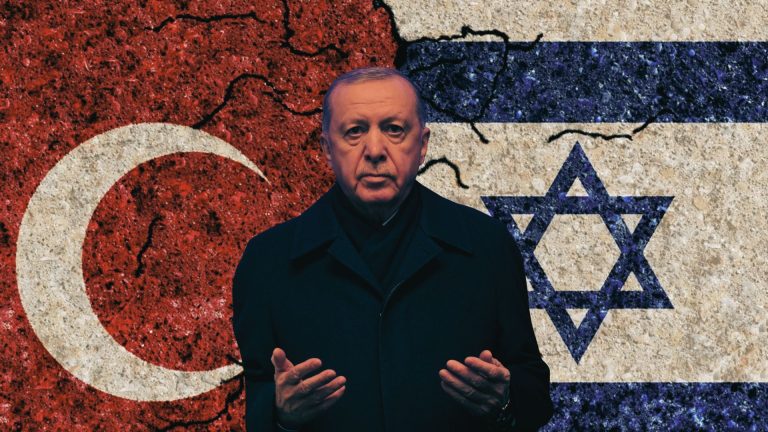
A composite image featuring Recep Tayyip Erdoğan in a dark coat, standing in front of a cracked stone background that displays the Turkish flag on the left and the Israeli flag on the right.

Ankara’s Legal War on Israel Reshapes the Region

Turkey is no longer treating its dispute with Israel as a diplomatic quarrel. It has transformed the relationship into a multi‑front legal, economic, and institutional confrontation designed to outlast the Gaza war and reshape regional norms. What began as political outrage has evolved into a sustained strategy of prosecution, isolation, and norm‑setting — a shift far more consequential than the Mavi Marmara rupture of 2010.

Read More »
A digital illustration of a man in a suit viewed from behind, standing on a cracked map shaped like Iraq, looking toward a dark, silhouetted skyline with an oil derrick and mosques.

Iraq’s Political Gamble: When Strongmen Return to Fragmented States

In early 2026, Iraq finds itself in a state of “organized confusion” as it attempts to finalize its government following the November 11, 2025 elections. The sudden withdrawal of Mohammed Shia al-Sudani and the push for Nuri al-Maliki’s return have transformed a domestic transition into a high-stakes standoff between Washington and Tehran.

Read More »
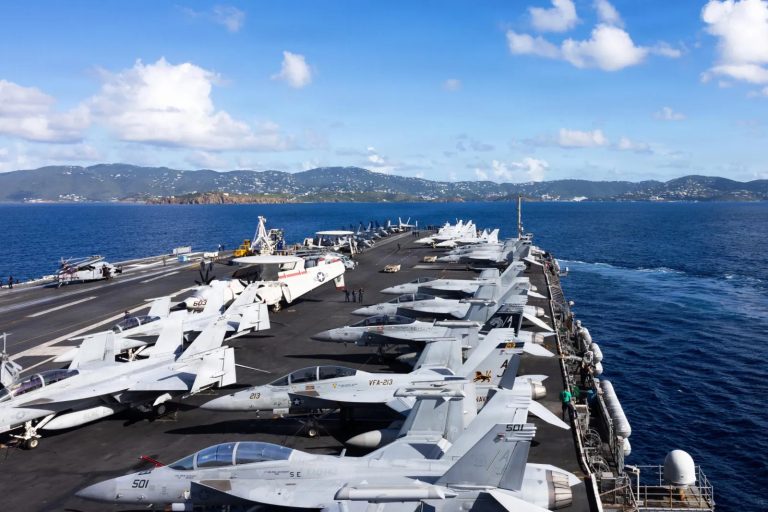
A high-angle view of a United States aircraft carrier deck at sea, packed with various fighter jets including F/A-18 Super Hornets, with a mountainous coastline and blue sky in the background.

When Alliance Distances Become Strategic Liabilities: Europe’s Iran Dilemma

Europe is trying to perform an impossible balancing act: signal independence from Washington while relying entirely on American military power to deter threats that Europe cannot handle alone. The Iran crisis exposes this contradiction with unusual clarity. At the very moment when Western unity is strategically essential, Europe is drifting into rhetorical autonomy that it cannot operationalize.

Read More »
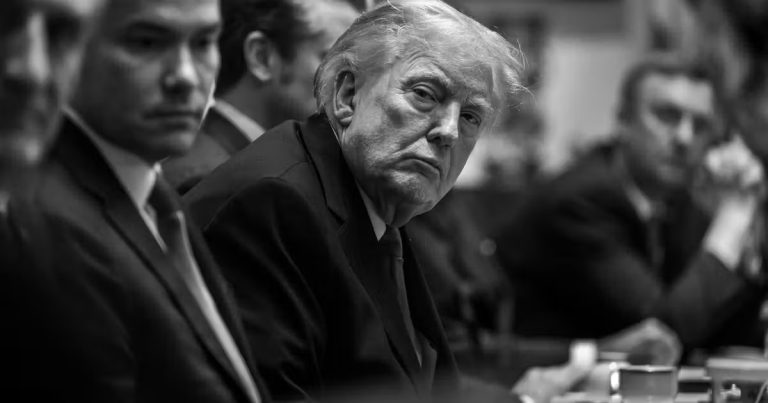
A black and white, high-contrast close-up of Donald Trump sitting at a long table during a meeting, looking towards the camera with a stern expression, surrounded by other men in suits who are partially blurred.

The Psychology of Escalation in Foreign Intervention

U.S. decision‑making on Iran is increasingly shaped not by structured interagency analysis but by a feedback loop of emotional validation. When a leader repeatedly asks a narrow circle of loyalists whether an action is a “winner,” the question itself becomes a self‑fulfilling prophecy. The result is a foreign policy environment where impulse, affirmation, and narrative gratification override strategic caution.

Read More »
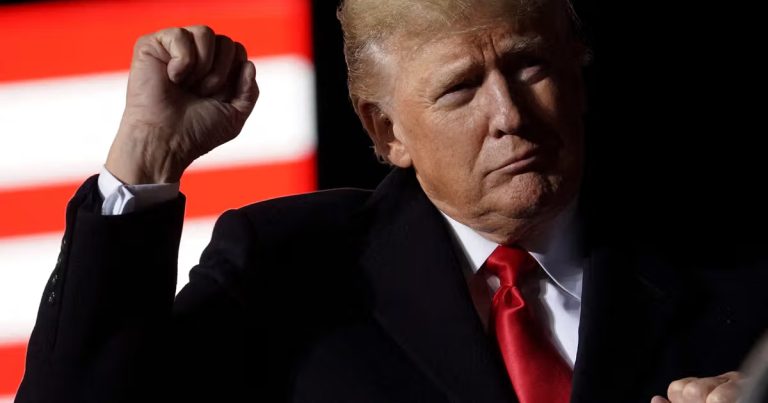
A close-up portrait of Donald Trump raising a clenched fist, wearing a dark coat and a bright red tie, with a blurred American flag featuring red and white stripes in the background.

The Negotiation Asymmetry: Can Iran’s Concessions Match the Scope of American Demands

U.S.–Iran talks are unfolding under extreme imbalance. Washington negotiates with overwhelming military and economic leverage; Tehran negotiates under domestic strain, regional setbacks, and limited great‑power backing. But asymmetry does not guarantee capitulation. It creates a narrow, unstable space where both sides must decide whether compromise or confrontation better protects their core interests.

Read More »
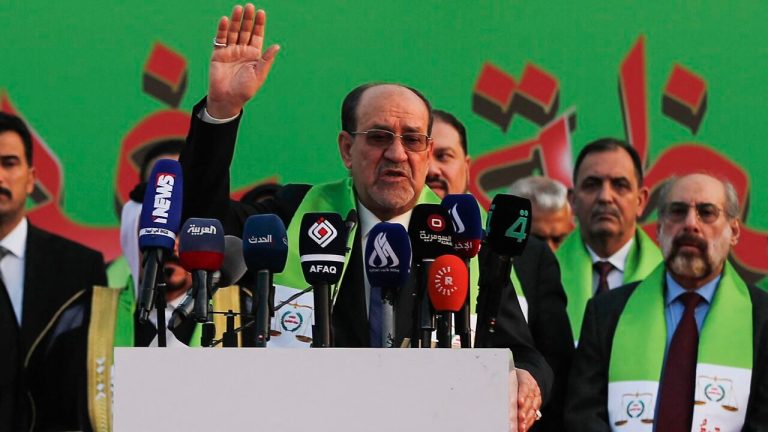
Nouri al-Maliki standing behind a podium with multiple news microphones, wearing a green sash and raising his right hand, surrounded by other men in suits against a green background with red Arabic text.

Iraq’s Political Gridlock: When Foreign Veto Power Collides With Domestic Legitimacy

Iraq’s political paralysis is not simply the result of domestic factionalism. It is the predictable outcome of a system where external veto power routinely overrides internal legitimacy. The current standoff over Nouri al‑Maliki’s nomination exposes the structural contradiction at the heart of Iraqi governance: sovereignty exists on paper, but government formation depends on which foreign actor is willing to impose the highest cost.

Read More »