Category: Middle East

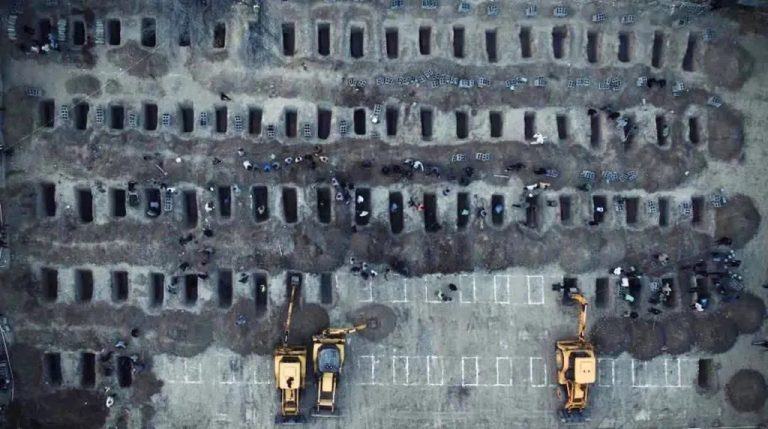
A high-angle aerial view of a large burial site showing numerous rows of open rectangular graves in the earth that belongs to 180 girl students were killed in minab school by us missiles.

The US Gutted Its Civilian Protection Program Then Went to War

The Minab school strike, which killed more than 165 people, exposes how the U.S. dismantled its civilian‑protection system before launching the Iran war. The CHMR program was gutted, legal safeguards removed, and oversight hollowed out — leaving no‑strike mapping undone and accountability weakened. Civilian casualties are rising, and the strategic costs are compounding.

Read More »
A digital collage featuring a central portrait of Ali Khamenei surrounded by scattered United States five, ten, and twenty-dollar bills.

Trump’s Iran War May Leave the Dollar’s Reign Damaged

Trump’s Iran war has triggered oil shocks, inflation pressure, and market turmoil, briefly lifting the dollar while undermining trust in the system behind it. Supply‑chain hits, Fed turmoil, and sanctions whiplash deepen global doubts. China, Russia, and energy importers are accelerating moves away from dollar dependence — a shift the crisis may harden.

Read More »
Ali Khamenei pinning a medal onto the chest of Amir Ali Hajizadeh's military uniform, while Mohammad Bagheri and Abdolrahim Mousavi watch from the background.

Iran’s ‘Mosaic Defense’: The Doctrine Built to Outlast Decapitation

Iran’s “mosaic defense” is built for decapitation: 31 autonomous IRGC units, layered successors, and dispersed stockpiles keep the system fighting despite leadership losses. As Mojtaba Khamenei takes power, fragmented command creates both resilience and volatility — from rogue strikes to Hormuz disruption — turning time, terrain, and cost asymmetry into Iran’s core weapons.

Read More »
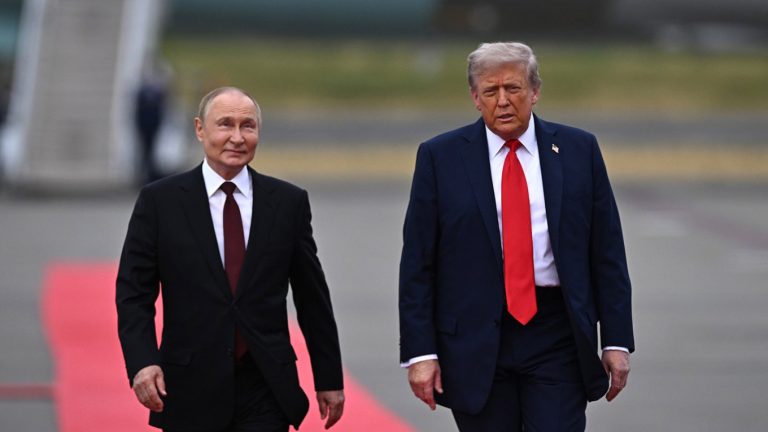
Vladimir Putin and Donald Trump walking side-by-side on an airport tarmac next to a red carpet.

Putin and Trump Talk Iran and Ukraine as Oil Crisis Reshapes Alliances

Putin used his first call with Trump since the Iran war began to pose as mediator while backing Tehran and advancing in Ukraine. Trump’s move to ease oil‑related sanctions to curb prices hands Moscow new revenue. With Hormuz disrupted, Russian crude becomes indispensable — turning Washington’s Iran war into a strategic gift for the Kremlin.

Read More »
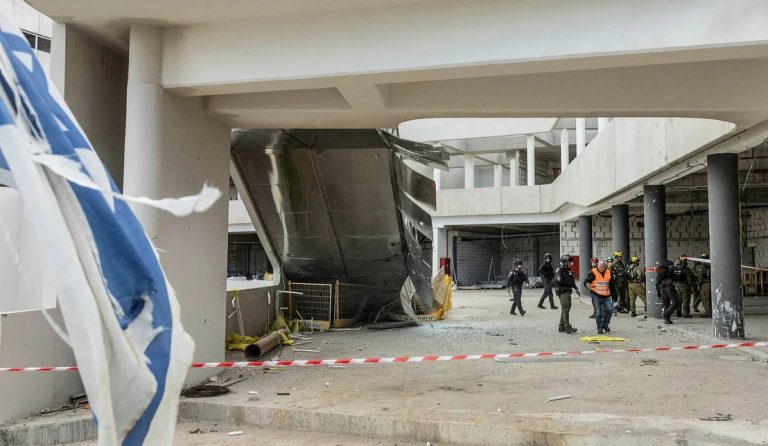
A tattered Israeli flag overlooks a damaged building interior where a large metal structure has collapsed, with emergency responders in orange vests and armed security personnel walking through the debris behind red and white caution tape.

US Threatens Iran With ’20 Times’ Harder Response Over Hormuz

The U.S.–Israel war with Iran has entered a deadly rhythm: heavy American strikes, rising regional casualties, and Iran threatening the Strait of Hormuz. Over 140 U.S. troops are wounded, Gulf states face missile barrages, and oil flows have nearly halted. Trump warns Iran will be hit “20 times harder” if Hormuz is mined.

Read More »
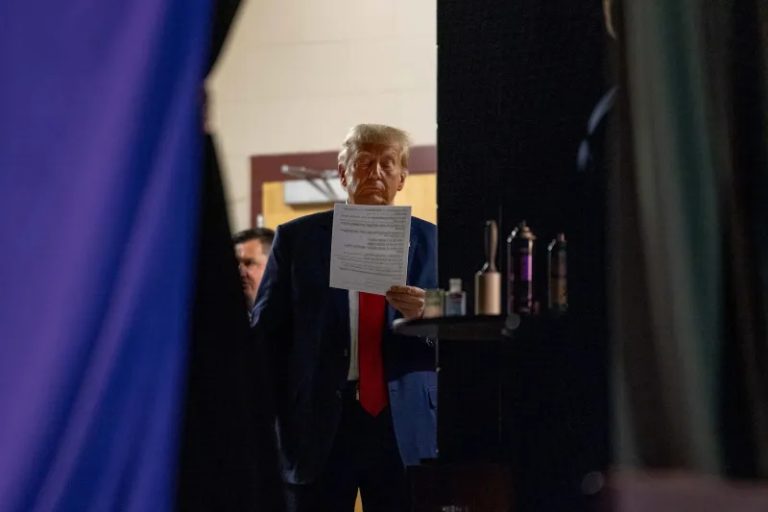
Candid behind-the-scenes shot of Donald Trump reading a document backstage.

Washington May Be Speaking the Wrong Language With Tehran

Khamenei’s invocation of Karbala signals a shift from deterrence to existential defiance, undermining Washington’s assumption that limited strikes can coerce Iran. Tehran’s doctrine favors horizontal escalation, hardened nuclear sites, and regional proxies. With succession fears rising, even a “surgical” U.S. attack risks unifying Iran’s system and triggering unpredictable retaliation.

Read More »
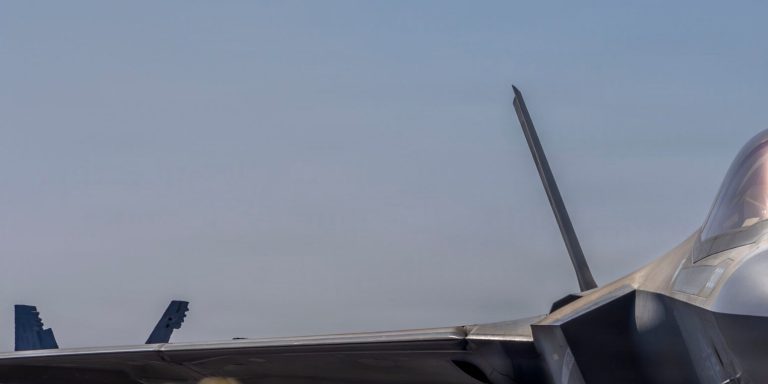
Close-up of an F-35 stealth fighter jet wing and tail against a clear sky.

Why a Nuclear-Only Iran Deal Is the Smart Play

A nuclear‑only agreement is the most achievable path in the current U.S.–Iran standoff. Iran’s damaged enrichment sites and willingness to accept strict IAEA oversight create rare diplomatic space, while demands on missiles and proxies are non‑starters. Limiting talks to the nuclear file avoids war and secures verifiable constraints.

Read More »
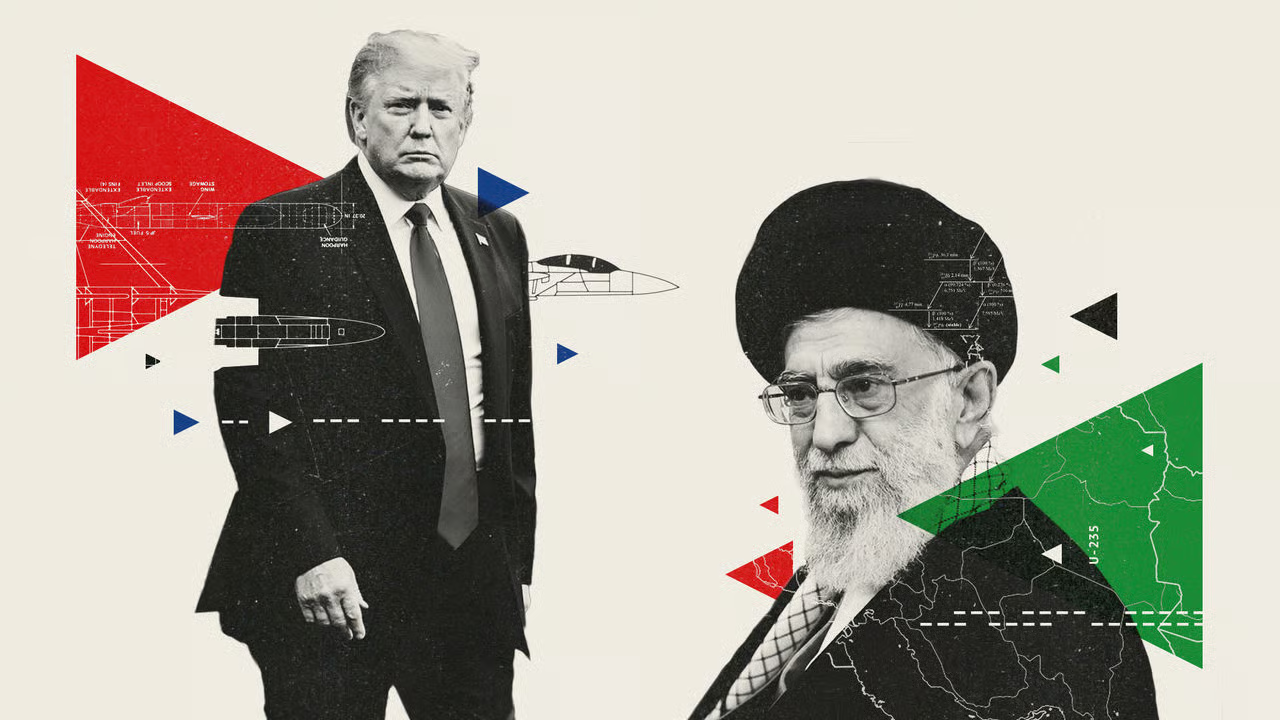
Conceptual collage of Donald Trump and Ayatollah Ali Khamenei with military schematics and geometric overlays.

Iran and the US: War Drums or a Last-Minute Deal?

A massive U.S. buildup and Trump’s ultimatum have pushed Washington and Tehran toward a decisive moment. Iran’s weakened economy and protests limit its options, while threats to close the Strait of Hormuz raise global stakes. A narrow deal allowing token enrichment remains possible, but failure could trigger U.S. strikes with unpredictable escalation.

Read More »
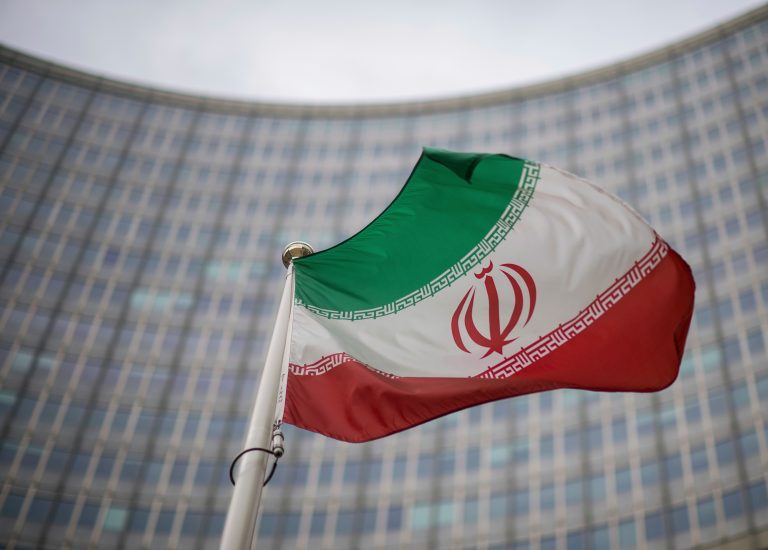
Iranian flag waving on a flagpole in front of a modern curved glass building.

Iran Crisis: What Seven Experts Think Could Happen Next

A massive U.S. buildup and stalled diplomacy have created the most volatile U.S.–Iran standoff in decades. Experts disagree whether Trump’s pressure will force a deal or trigger escalation. Iran’s weakened regime, internal unrest, and unpredictable IRGC commanders heighten risks. With both sides misreading each other, even a “limited strike” could spiral fast.

Read More »
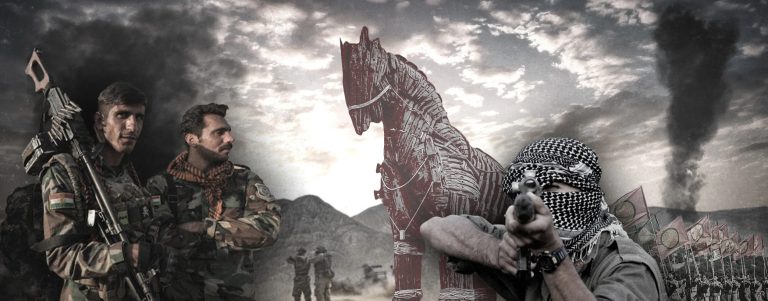
Kurdish YPG and SDF fighters with a wooden Trojan horse metaphor and smoke rising in the background.

Rojava’s End: How Washington Discarded Its Kurdish Allies

Rojava collapsed after Damascus seized most DAANES territory, ending a decade‑long Kurdish experiment dependent on U.S. protection. Washington shifted support to Syria’s new government, transferring thousands of ISIS detainees. As Kurdish forces are absorbed into the state, attention turns to Iran’s Kurdish movements — the next potential pressure point in regional geopolitics.

Read More »
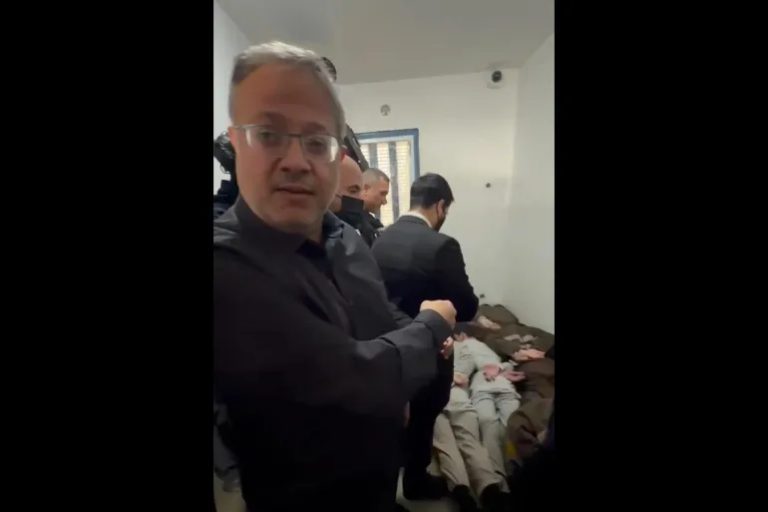
Israeli National Security Minister Itamar Ben-Gvir standing inside a prison facility with several Palestinian detainees lying on the floor in the background.

Israel’s Death Penalty Bill Targets Palestinians

Israel’s proposed death‑penalty bill creates a two‑track system that overwhelmingly targets Palestinians, applying capital punishment through military courts with no appeals. Rights groups warn it violates the Fourth Geneva Convention and entrenches discrimination. Amid reports of torture and deaths in custody, critics say the bill would formalize abuses already occurring inside Israel’s detention system.

Read More »