Category: Russia

Shattered glass entrance of a government building with broken windows and debris on the floor.

Russian Consulate Damaged in Isfahan as War Tests Moscow’s Balancing Act

A U.S.–Israeli strike on Isfahan damaged Russia’s consulate, underscoring Moscow’s precarious dual role as Iran’s diplomatic shield and quiet military enabler. Russia is sharing satellite intelligence that sharpens Iran’s targeting while publicly posing as mediator. With Hormuz shut and oil prices soaring, the war is delivering Moscow a strategic windfall it won’t jeopardize.
Read More »
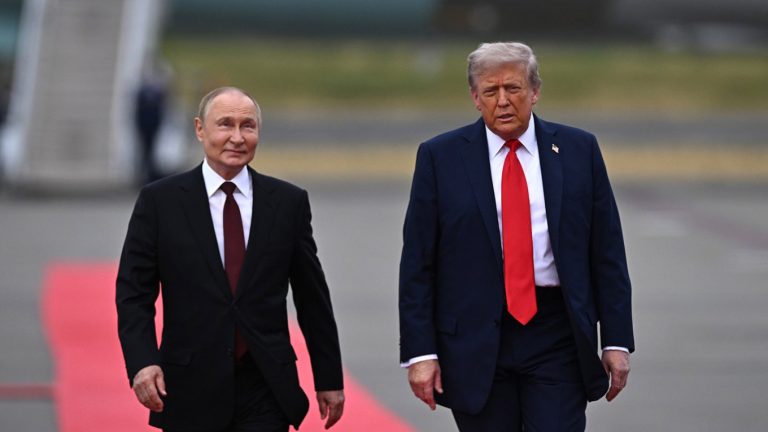
Vladimir Putin and Donald Trump walking side-by-side on an airport tarmac next to a red carpet.

Putin and Trump Talk Iran and Ukraine as Oil Crisis Reshapes Alliances

Putin used his first call with Trump since the Iran war began to pose as mediator while backing Tehran and advancing in Ukraine. Trump’s move to ease oil‑related sanctions to curb prices hands Moscow new revenue. With Hormuz disrupted, Russian crude becomes indispensable — turning Washington’s Iran war into a strategic gift for the Kremlin.

Read More »
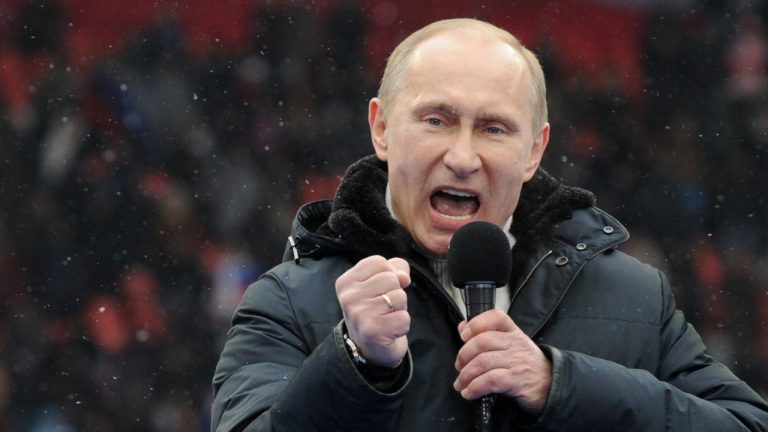
Russian President Vladimir Putin speaking into a microphone with his fist clenched during a large outdoor rally.

Ukraine’s Fifth Year: What Does Putin Actually Want?

Four years in, Russia controls 20% of Ukraine but still lacks its stated goals. Analysts disagree whether Putin seeks limited territorial gains or political control over all of Ukraine. U.S.‑led talks hinge on territorial concessions Kyiv rejects. With no viable security guarantees, the war’s fifth year begins without a credible path to peace.

Read More »
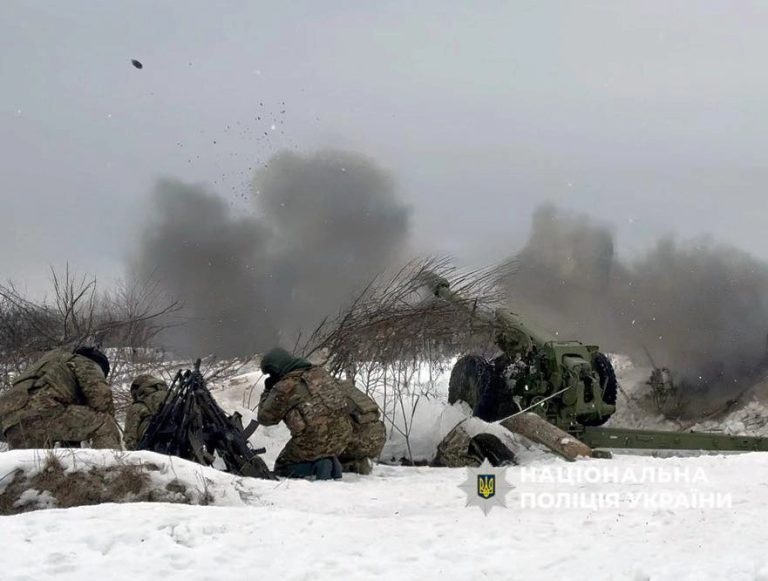
Ukrainian soldiers firing a heavy artillery cannon in a snowy field during the fourth year of the conflict.

Four Years of War: Ukraine Demands Action Over Words

Four years into Russia’s invasion, Ukraine faces a grinding stalemate as Western aid shifts. U.S. support has sharply declined while Europe shoulders most military and financial assistance. Sanctions strain but don’t break Russia. Ukraine demands air defense and sustained backing to prevent further losses and secure its future.

Read More »
Exterior of a Russian currency exchange office with large dollar, pound, and yen symbols on the glass door.

Russia Wants the Dollar Back — and BRICS Should Be Worried

Russia is quietly considering a return to the dollar system, reversing years of anti‑dollar rhetoric. Economic strain, slowing growth, and dependence on China are driving the shift. If Moscow abandons de‑dollarization, the BRICS project looks less like an alternative order and more like leverage — exposing the limits of the bloc’s monetary ambitions.

Read More »
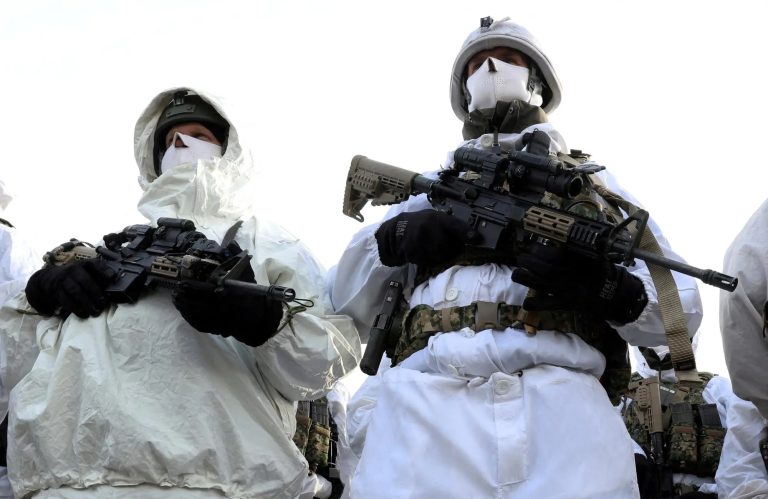
Two soldiers in full white winter camouflage gear, including white face masks and helmets, standing side-by-side and holding black assault rifles equipped with advanced scopes and tactical attachments.

NATO’s Arctic Sentry: Deterrence Without Guardrails

NATO’s new Arctic Sentry unifies allied operations in the High North, but it emerges amid tensions triggered not by Russia, but by Trump’s threats to annex Greenland. The buildup expands deterrence without communication channels, raising the risk of accidents in a nuclear‑sensitive region. With Russia unengaged diplomatically, even a minor incident could spiral into unintended conflict.

Read More »
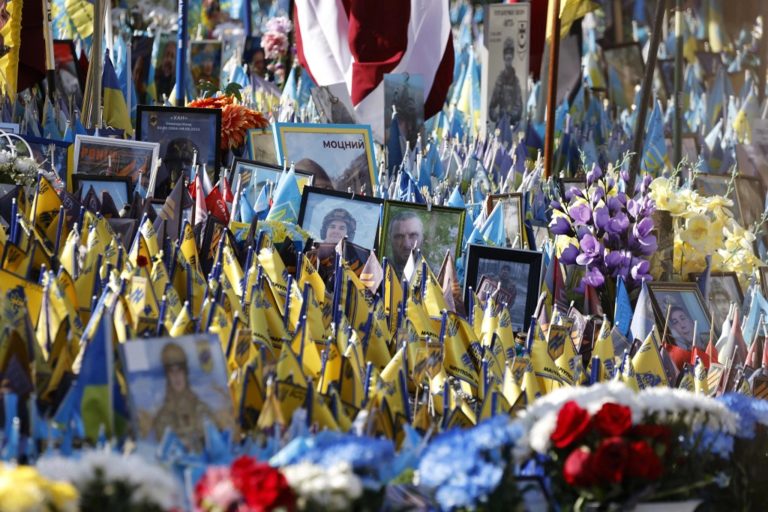
A dense memorial field filled with hundreds of small yellow and blue Ukrainian flags, interspersed with framed portraits of soldiers and colorful funeral flowers.

Four Years of War in Ukraine Expose the Cost of Western Hesitation

Western hesitation has prolonged a brutal stalemate in Ukraine, where massive casualties, slow aid, and delayed weapons have strengthened Russia’s attritional strategy while forcing Kyiv to innovate militarily and Europe to rearm unevenly, leaving the war’s outcome tied to political will rather than battlefield shifts.

Read More »
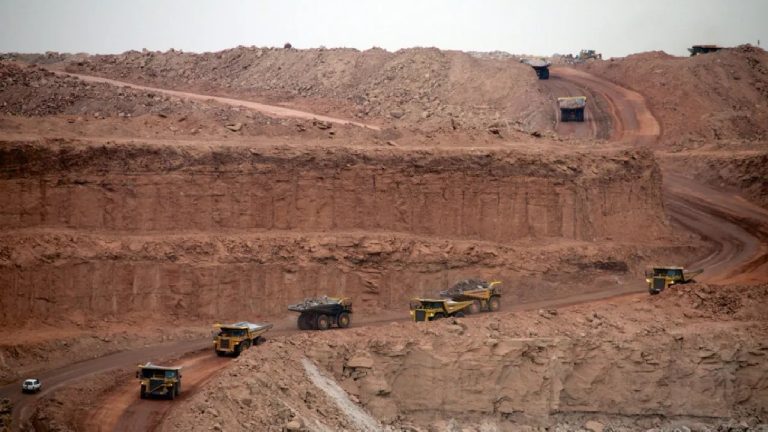
A wide-angle view of a massive open-pit mine with several large yellow haul trucks driving on dirt roads carved into the reddish-brown earth.

Resource Nationalism in Chaos: When Dangerous Materials Trump International Order

Niger’s 2025 nationalization of the Somair mine and the subsequent contested transport of 1,150 tons of uranium signal a breakdown in international resource governance. By defying arbitration and seeking Russian partnerships, the junta illustrates how strategic minerals now drive a fragmented global order where resource sovereignty outweighs established non-proliferation norms.

Read More »
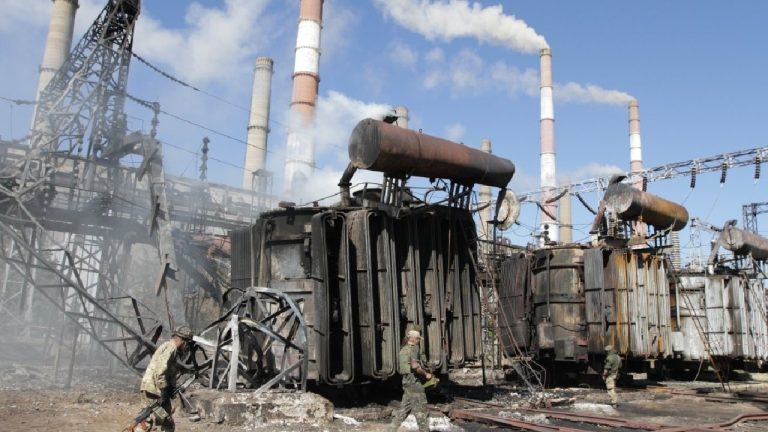
A wide shot of a heavily damaged industrial power plant in Ukraine, showing collapsed roofs, charred metal structures, and debris scattered across the site.

Ukraine War Exposed the Failure of Western Deterrence Assumptions

In January 2026, the strategic fallout from the Ukraine war has fundamentally dismantled the “post-Cold War” playbook. Western leaders now operate under a new, grimmer set of assumptions: that war is a contest of industrial stamina, not just initial tech; that economic ties can be weapons of coercion; and that “red lines” mean nothing without the munitions to back them up.

Read More »