Category: Iran

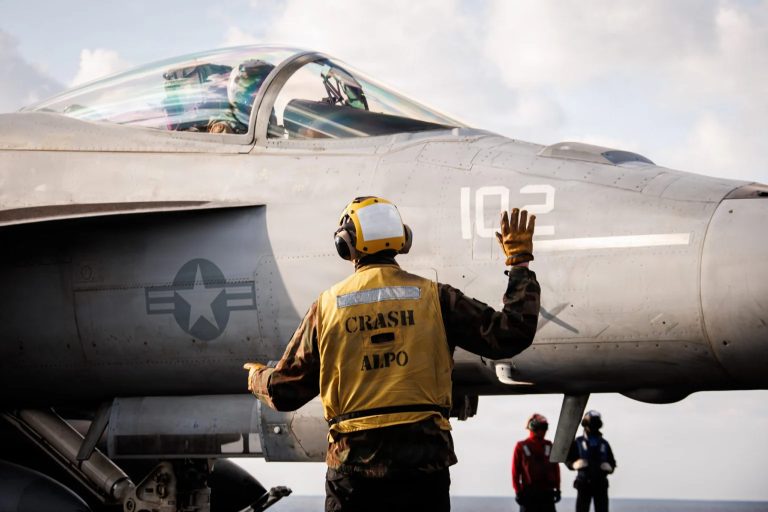
A deck crew member in a yellow safety vest signaling to a fighter jet pilot on an aircraft carrier.

Striking Iran’s Grid Won’t Win the War, It’ll Expand It

The strategic calculus in the Persian Gulf has shifted from a “nuclear denial” mission to a high-stakes “infrastructure ultimatum.” With President Trump’s 8:00 PM ET deadline only hours away, the threat to “decimate” Iran’s power plants and bridges carries risks of regional contagion that far outweigh the intended military benefits.

Read More »
Silhouette of a large cargo ship on the ocean at sunset with a massive orange sun partially covered by clouds.

Iran’s Strait of Hormuz Gambit Is Working

The world is currently 10 hours away from what President Trump has called a “final, final” deadline for Iran to reopen the Strait of Hormuz. The “Hormuz Gambit” has not only held, it has escalated into a global economic hostage crisis that the 40-nation coalition is struggling to break.

Read More »

A War Both Sides Expected to Win Quickly, Neither Did

The conflict, now entering its sixth week, has evolved into a “Cost-Asymmetry Trap” that neither Washington nor Tehran originally envisioned. The war has reached a critical “Ultimatum Hour” that could determine if the region faces total systemic collapse or a forced diplomatic off-ramp.

Read More »
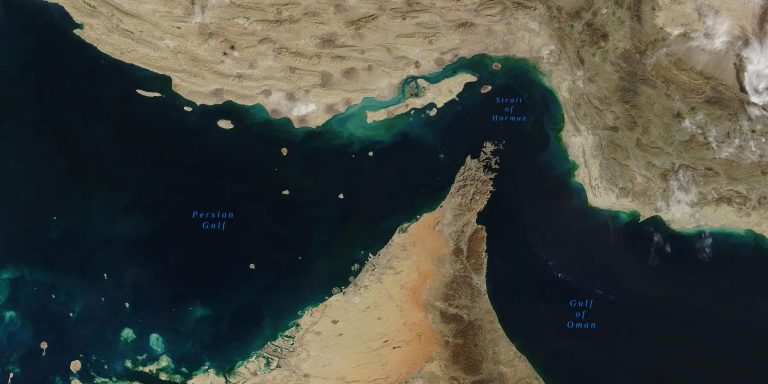
Satellite view of the Strait of Hormuz, Persian Gulf, and Gulf of Oman.

Iran’s Masterplan for the Strait of Hormuz

The shift in the Strait of Hormuz from a traditional military chokepoint to a formalized “Sovereign Toll Zone” represents the most significant change in maritime law since the 1982 UNCLOS. Tehran is moving to institutionalize what was once a temporary blockade into a permanent economic engine designed to bypass Western sanctions forever.

Read More »
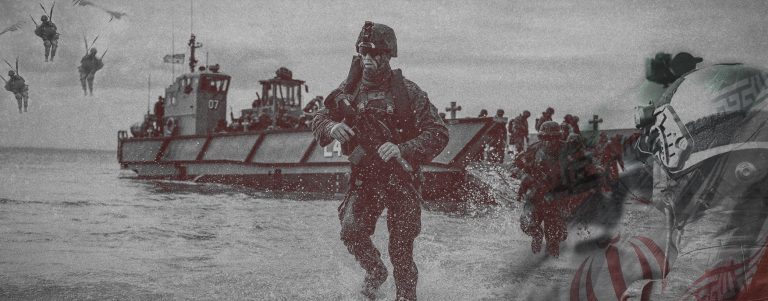
Soldiers in military gear during a coastal landing operation with a transport vessel.

Iran’s Special Forces: A Decentralized Defense Strategy

The Iranian military response to Operation Epic Fury has confirmed what many analysts suspected: the “Mosaic Defense” doctrine is not just a theoretical framework, but a functional, decentralized reality. While Western intelligence spent decades focused on the Quds Force, the first month of the 2026 war has demonstrated that Iran’s true resilience lies in its provincial special forces and maritime commandos.

Read More »
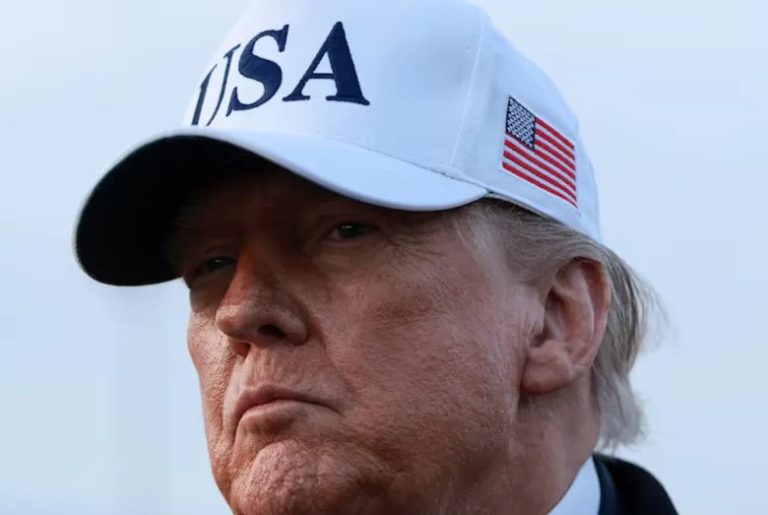
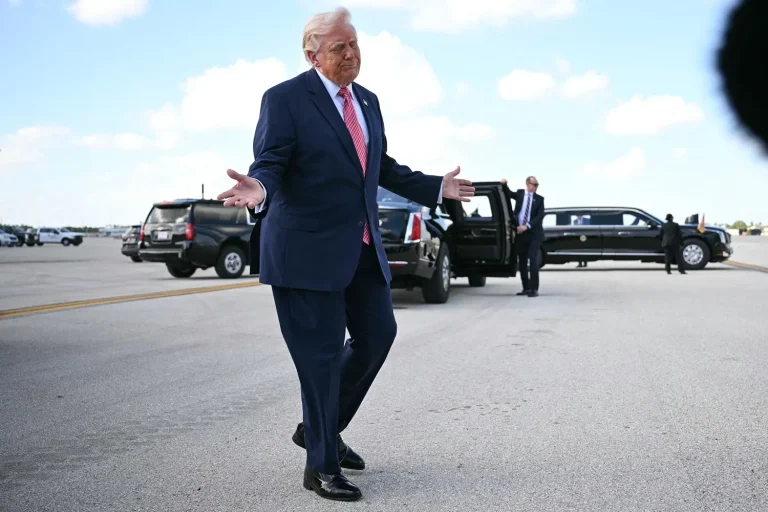
Close-up portrait of Donald Trump wearing a white "USA" hat with an American flag on the side.

America Lit the Fire and Now 40 Nations Are Cleaning Up

The geopolitical fallout of the Iran war has entered a phase of “fractured leadership.” While the United States remains the primary military aggressor, it has become a secondary actor in the diplomatic and maritime cleanup, leaving a coalition of 40 nations to navigate the chaos left in the wake of Operation Epic Fury.

Read More »
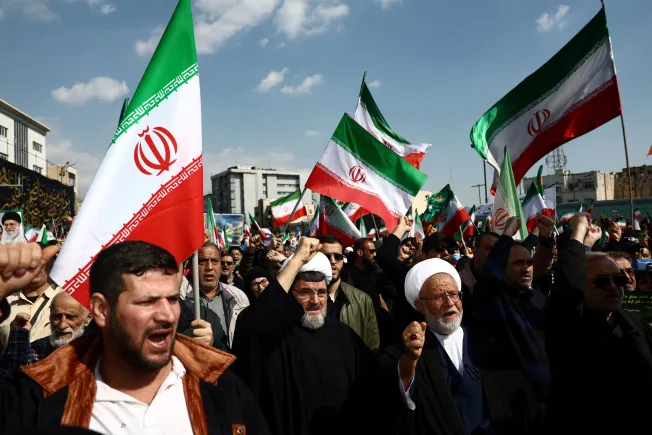
A large crowd of people in Iran waving Iranian flags and chanting during a demonstration.

Iran’s Peace Blueprint: Bold Enough to Work, or Too Late?

The publication of Mohammad Javad Zarif’s peace blueprint in Foreign Affairs on April 3, 2026, represents the most significant diplomatic opening since the start of Operation Epic Fury. While Zarif currently holds no official government title, his role as a key ally to reformist President Masoud Pezeshkian suggests this is a “cleared” trial balloon from Tehran’s remaining diplomatic corps.

Read More »
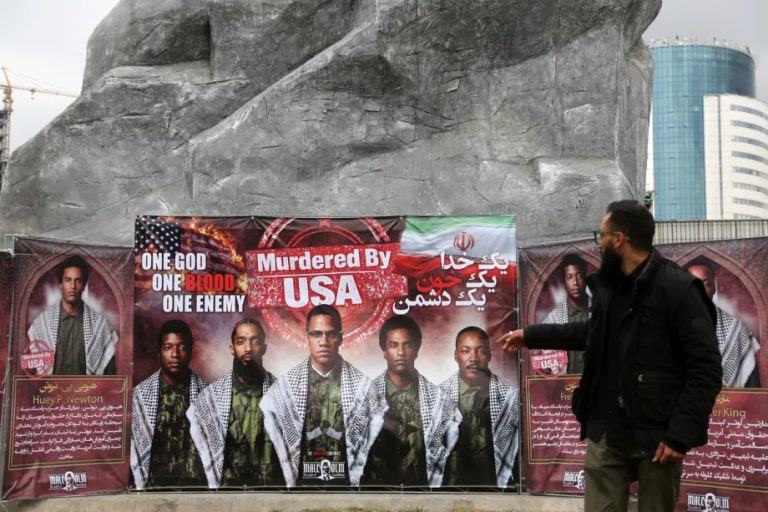
A large outdoor banner in Iran featuring various historical figures and the text "Murdered By USA" in English and Persian.

Iran and Trump Are Talking But Neither Side Wants Peace Yet

The diplomatic track of the Iran war has entered a phase of high-stakes “performance art.” While President Trump and Tehran exchange messages through a crowded field of mediators, both sides are using the appearance of negotiation to buy time for their respective military and economic leverage to peak.

Read More »
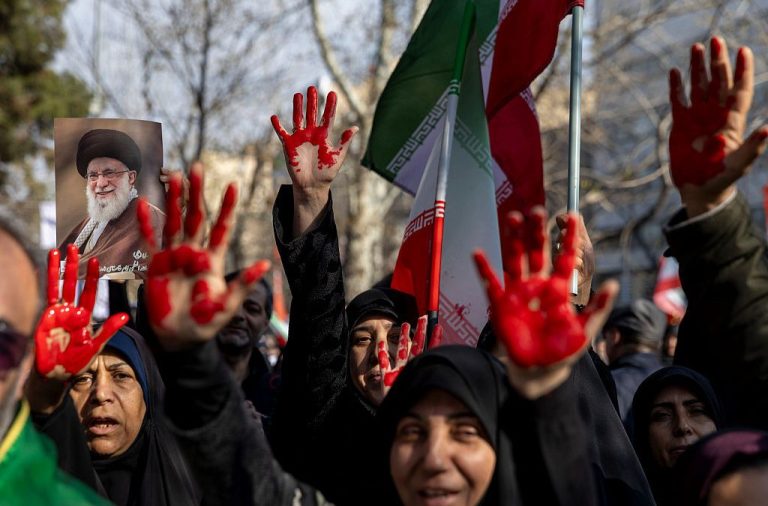
Iranian protesters in a crowd with red-painted palms raised and a portrait of Ali Khamenei.

How the Iran War Made Tehran’s Hardliners Stronger

The strategic landscape in Iran has undergone a “Security First” transformation that has effectively silenced the reformist movement and placed the country’s future in the hands of a revitalized military elite. By targeting the center of the Iranian state, the U.S.-Israeli campaign has inadvertently triggered a survival mechanism that favors the most hardline elements of the regime.

Read More »
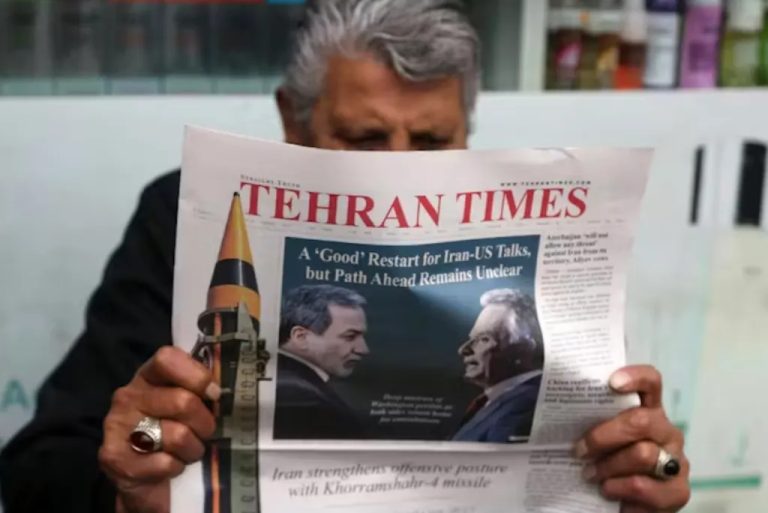
A person holding a Tehran Times newspaper featuring a headline about Iran-US talks and an image of a missile.

Bombing the Negotiating Table: How Washington Killed Its Own Diplomacy

The initiation of Operation Epic Fury on February 28, 2026, did more than just dismantle military targets—it effectively dismantled the very concept of U.S.-led nuclear diplomacy. By striking while a major breakthrough was being announced by Omani mediators, Washington has signaled that even total compliance may not be enough to avert a military “solution.”

Read More »
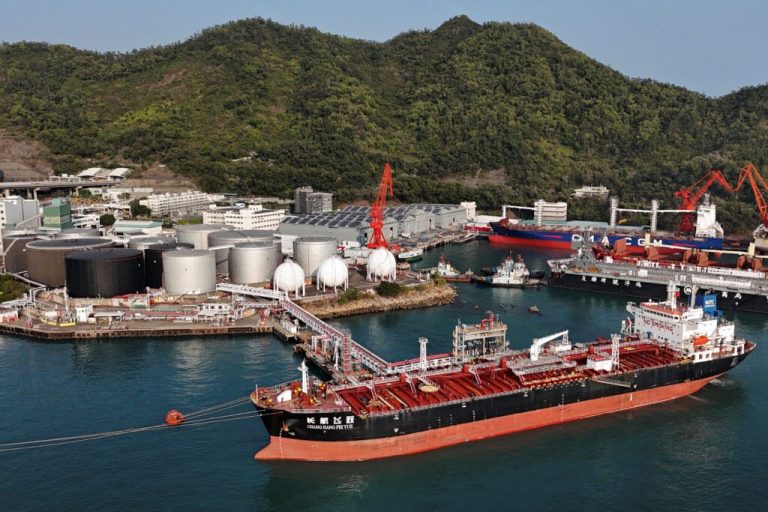
Large oil tankers and cargo ships docked at a major industrial port with storage tanks and green mountains in the background.

Beijing’s Iran Dilemma: Too Big to Ignore, Too Risky to Lead

On March 31, 2026, the diplomatic landscape of the Iran war shifted toward Beijing as Pakistani Deputy Prime Minister Ishaq Dar arrived in China to formally launch a joint five-point initiative for a ceasefire. This move represents China’s first major departure from a month of “muted” detachment, positioning it as a potential guarantor for any future peace deal—a role Tehran has reportedly made a prerequisite for talking to the White House.

Read More »