
The Silent Transformation: Demographic Shifts and the Crisis of Western Identity

Western democracies are experiencing a significant sociopolitical transformation due to demographic changes and new ideological alliances. Eliyahu Haddad’s analysis highlights that mass migration, declining birth rates, and “ideological paralysis” contribute to a “civilizational replacement,” which is now influencing electoral dynamics in Europe and North America and impacting social cohesion, domestic security, and transatlantic relations with Israel.
The New Acheson Line: How Trump’s ‘America First’ Strategy Abandons Asia

The 2025 National Security Strategy (NSS) released by the Trump administration has shocked the Indo-Pacific, indicating a major shift in U.S. defense commitments. Framed as a “realist” recalibration, it is perceived by analysts in Tokyo and Seoul as a strategic retreat, echoing the Nixon Doctrine and repositioning a defensive perimeter along the First Island Chain, thereby conceding the Asian mainland to Chinese influence and prioritizing economic nationalism over alliance unity.
Moscow’s Survival Strategy: Navigating the Post-Assad Order in Syria

The October 2025 summit in Moscow between Vladimir Putin and Ahmed al-Sharaa highlights a shift in Russia’s diplomatic strategy following the collapse of the Ba’athist regime in Syria. Contrary to predictions of diminished Russian influence, the Kremlin has adapted its approach, favoring transactional pragmatism over ideological loyalty. By engaging with former adversaries, Russia seeks to preserve its strategic interests in the Mediterranean, underscoring that its foreign policy is primarily motivated by practical concerns.
Gaza Stabilization Plans Expose Deep Transatlantic Strategic Divide
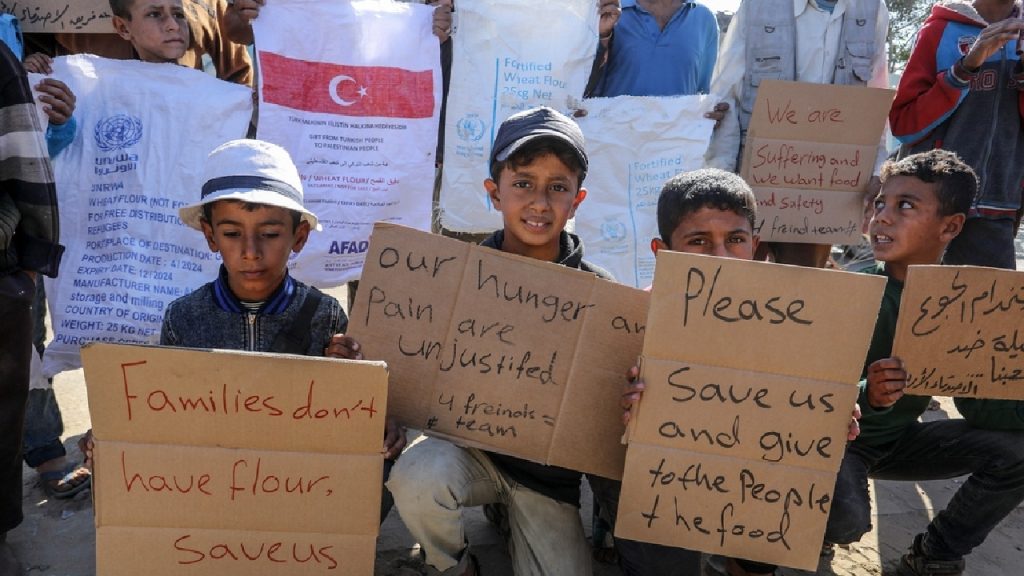
Seven weeks into Gaza’s ceasefire, significant disagreements exist between Washington and European capitals regarding post-conflict plans. This divide could jeopardize not only Gaza’s humanitarian situation but also the credibility of Western coordination on global crises.
The Atlantic Fracture: Trump’s 2025 Strategy Aligns with Moscow, Alienates Europe
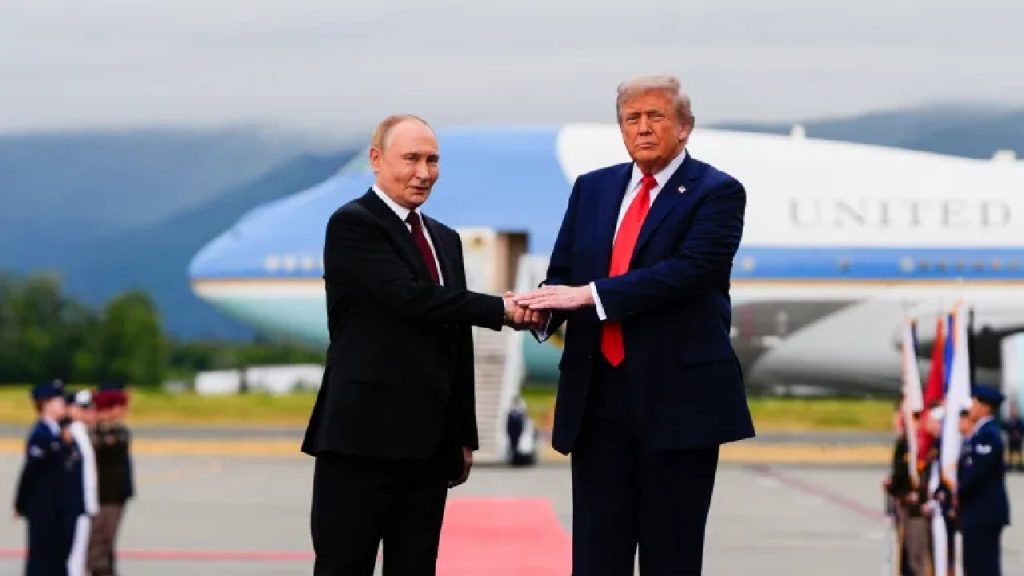
The Trump administration’s 2025 National Security Strategy (NSS) has upset the longstanding transatlantic consensus, alarming nations like Germany and Poland while appealing to Russia. The 33-page document frames European integration as a threat to civilization and emphasizes “patriotic” nationalism, undermining NATO’s ideological foundations even as member countries reach record defense spending levels.
The Illusion of Peace: Why Washington’s Rush to Deal Risks a Continental Collapse

The current diplomatic efforts for a ceasefire in Ukraine seem more focused on creating a favorable public image than achieving true stability. The Trump administration’s push for a swift resolution to the ongoing conflict appears motivated by a desire for a political legacy rather than the realities on the ground. By seeking a quick solution instead of a sustainable security framework, the U.S. risks providing the Kremlin with a strategic advantage, potentially destabilizing the European Union and leaving Ukraine vulnerable to future attacks.
Trump’s 2025 Strategy: The End of American Primacy and the Rise of Transactional Realism in Asia
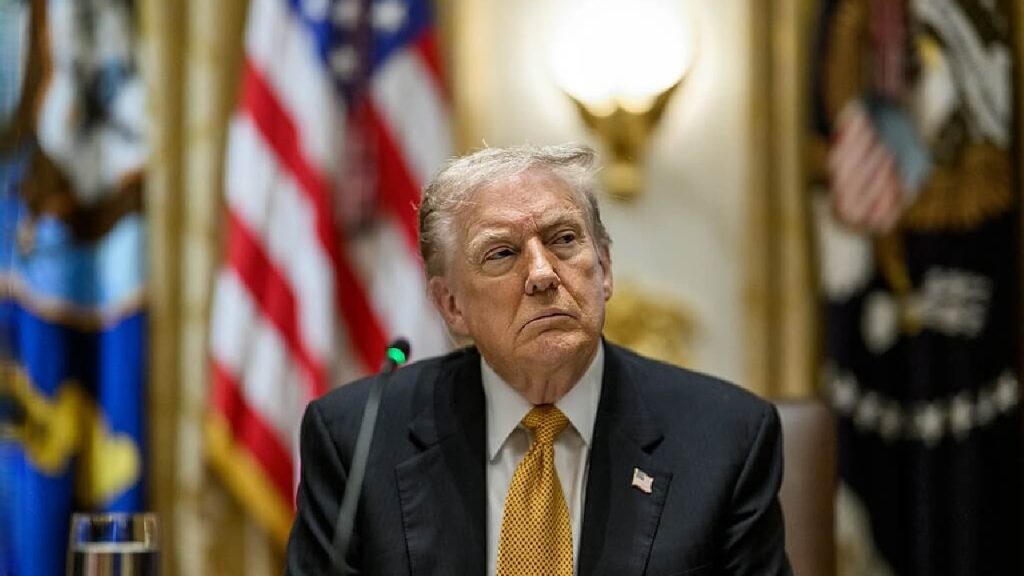
The Trump administration’s 2025 National Security Strategy signifies a significant break from the post-World War II international order by rejecting the aim of “permanent American domination” and shifting towards a focus on reindustrialization and “America First” policies, moving the U.S. from upholding norms to aggressive commercial competition in the Indo-Pacific.
Washington’s Strategic Blunder: Coercing India Toward Moscow’s Embrace
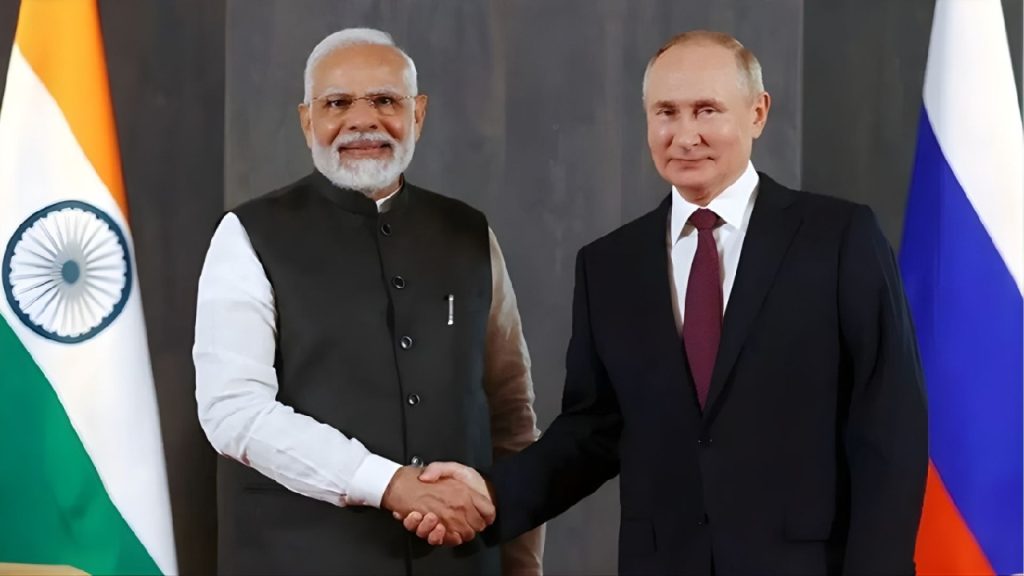
American foreign policy towards India illustrates that punitive measures against key partners often result in the opposite of intended outcomes. During Putin’s ceremonial visit to India in December 2025, Washington faced the uncomfortable truth that its economic coercion was reinforcing the relationships it aims to weaken.
Paris Pursues Investment Reversal as European Industrial Model Faces Chinese Competition
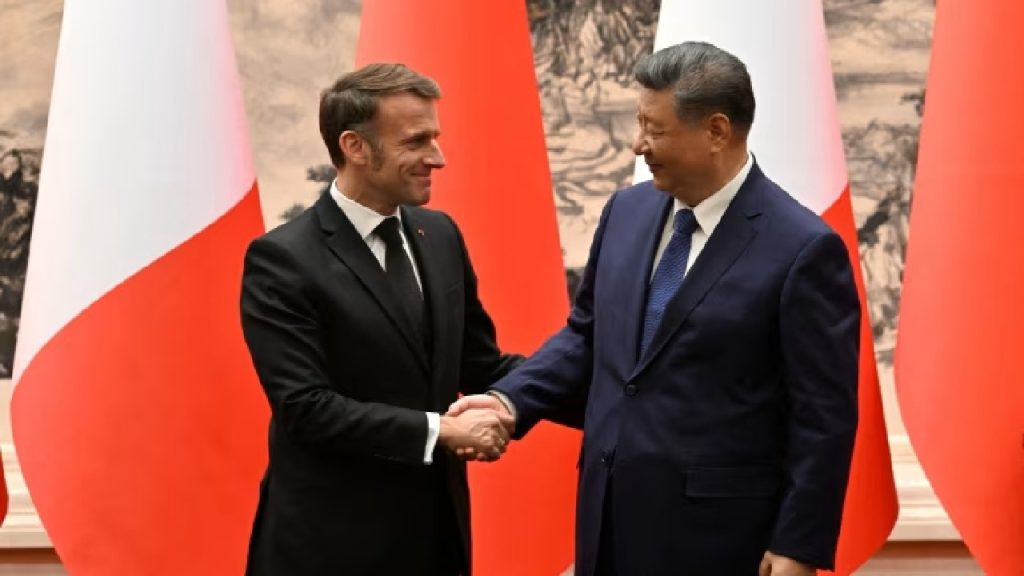
Emmanuel Macron’s December visit to Beijing signified a strategic shift for France, aiming to convert trade deficits into investment chances while addressing European security issues. The trip highlighted key tensions in European-Chinese relations, with Brussels calling for economic rebalancing and Beijing desiring unrestricted market access amidst rising transatlantic trade disputes.
Institutional Continuity: Why Jerusalem Misreads Brussels’ Structural Foreign Policy

Israeli and European Jewish leadership often misunderstand EU foreign policy by perceiving it as influenced by individual personalities rather than institutional frameworks. This misinterpretation hinders strategic engagement and diminishes diplomatic effectiveness for both sides.
Ankara and Tehran: A New Regional Security Architecture Emerges
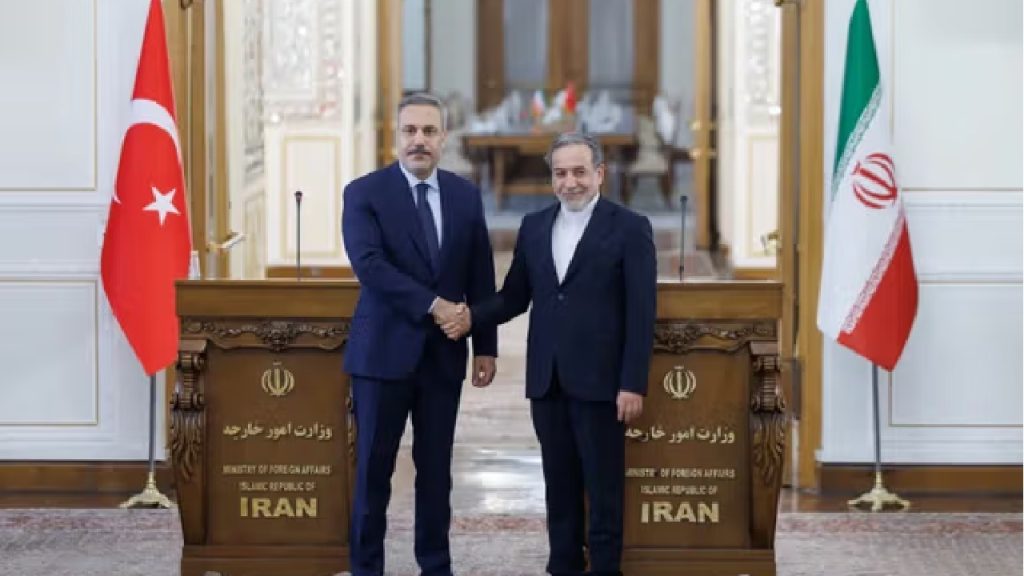
Turkish Foreign Minister Hakan Fidan’s visit to Tehran signifies a crucial shift in the Middle East’s geopolitical dynamics. Amid increasing regional instability, Türkiye and Iran are evolving from transactional diplomacy to a deep structural partnership. Fidan’s discussions with Iranian President Masoud Pezeshkian and Foreign Minister Abbas Araghchi aimed at integrating Iran into a framework for “regional solutions for regional problems,” beyond just preparation for the High-Level Cooperation Council.
America’s 2025 National Security Strategy: Hostile Doctrine Toward European Allies
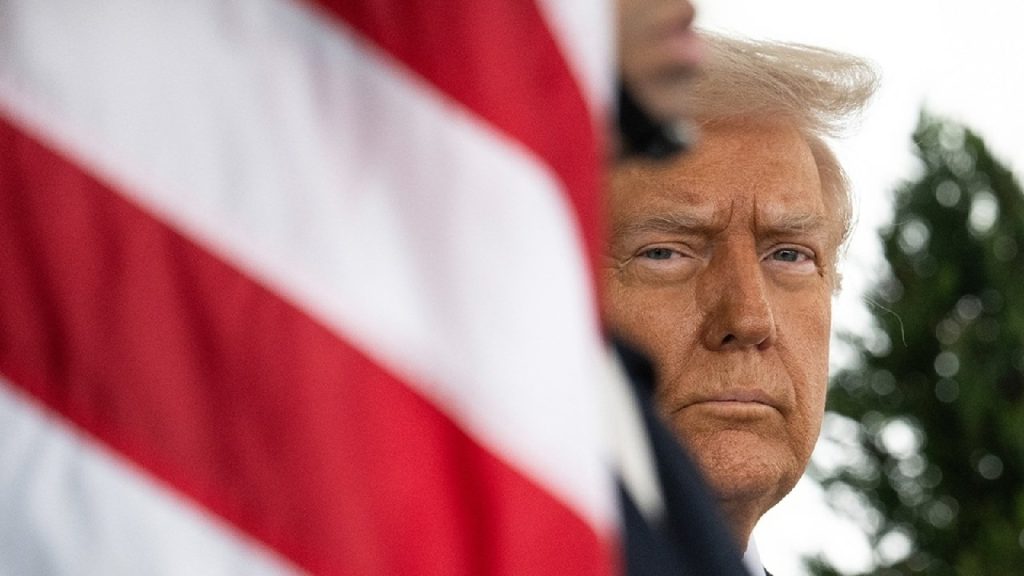
The December 5, 2025 release of the Trump administration’s National Security Strategy signifies a significant shift in transatlantic relations, explicitly showcasing American antagonism toward its historical democratic allies. The document goes beyond conventional policy disputes, exposing a deep-seated hostility toward European sovereignty, democratic governance, and territorial integrity.