
Trump’s Military Strikes Signal 2026 Will Be Defined by American Warfare
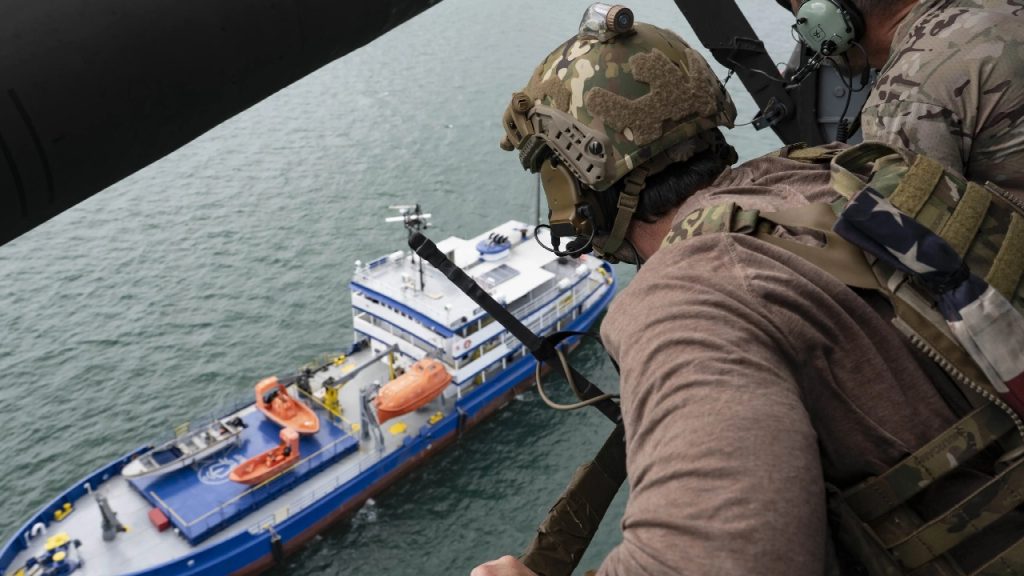
In January 2026, the international order shifted into a more aggressive era of American interventionism, marked by the dramatic capture of Venezuelan President Nicolás Maduro and the implementation of a new “Trump Corollary” to the Monroe Doctrine.
Iran’s Economic Crisis and Nationwide Protests
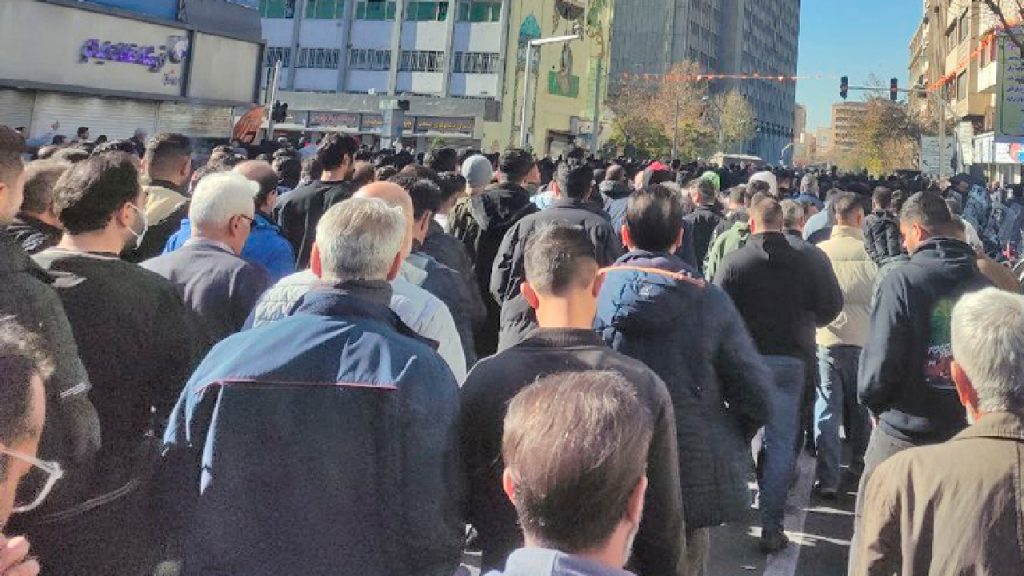
The protests that began on December 28, 2025, represent a critical inflection point for Iran, fueled by an economic “perfect storm” that has effectively hollowed out the country’s middle class. As of January 4, 2026, the movement has spread to over 100 locations across 22 provinces, marking it as one of the most geographically expansive challenges to the Islamic Republic since 1979.
Iran’s December 2025 Protests Signal Economic Collapse, Not Revolution
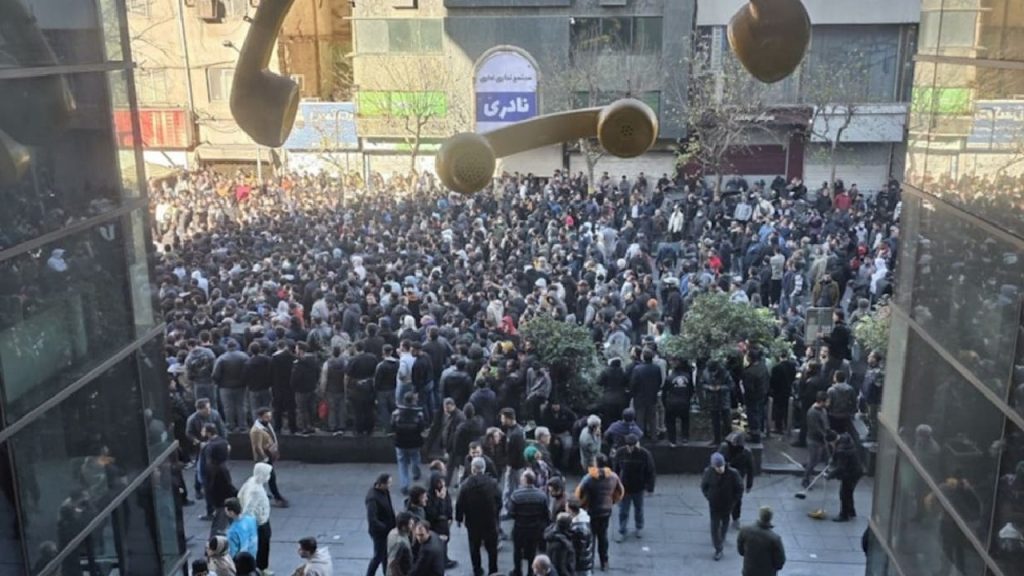
In December 2025, mass protests erupted across Iran, sparked not by a revolutionary movement but by the sheer desperation of a collapsing economy. The Iranian rial plummeted to a historic low of 1.42 million per dollar, triggering market shutdowns and the largest civil unrest since 2022.
China Positions Itself as Global Stability Leader as Trump Destabilizes International Order
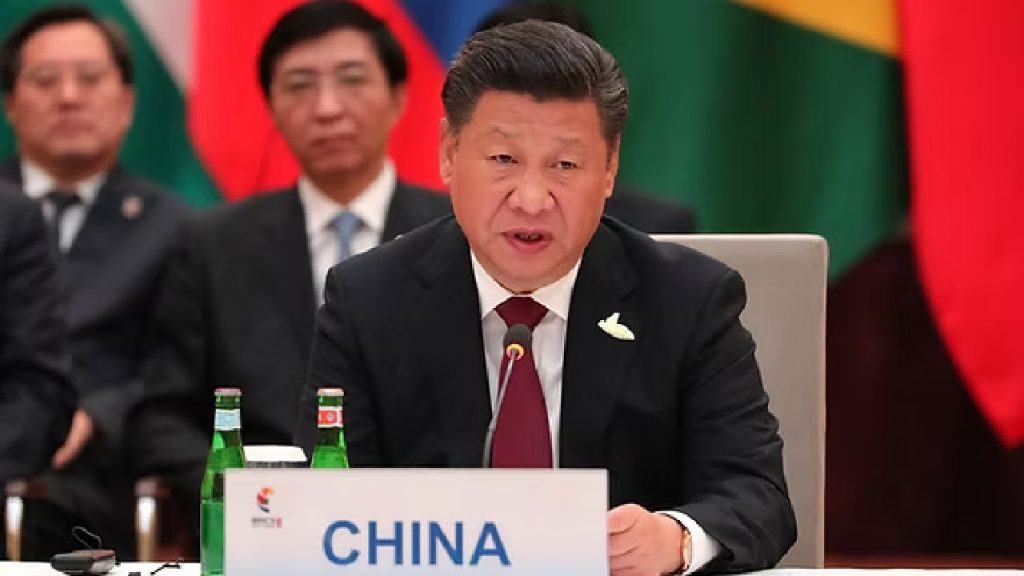
In 2025, China successfully positioned itself as a “stability leader” by exploiting Donald Trump’s transactional foreign policy. While Washington disrupted alliances and institutional norms, Beijing unveiled its Global Governance Initiative, offering the Global South a pluralistic, non-liberal alternative to a fragmenting Western order.
Weaponizing AI Supply Chains: Washington’s Pax Silica Initiative Launches New Economic Warfare Front
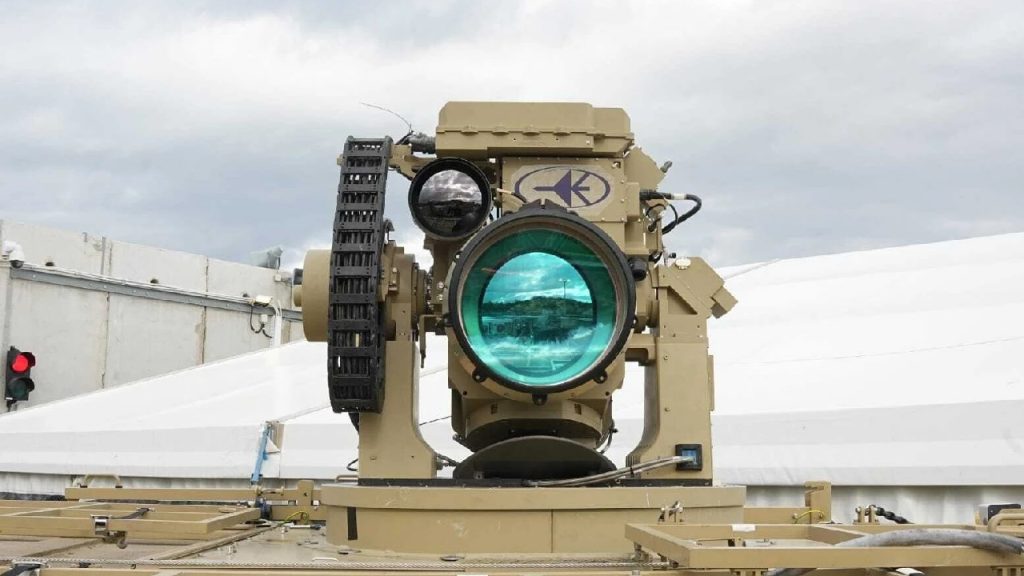
On December 12, 2025, Washington launched Pax Silica, a strategic US-led initiative designed to secure the “silicon supply chain” and counter China’s dominance in the AI economy. Described by Under Secretary Jacob Helberg as the “G7 of the AI age,” the pact treats computing power and critical minerals as the strategic equivalents of 20th-century oil and steel.
Tech Giants Inadvertently Facilitate Terrorist Groups’ Artificial Intelligence Capabilities
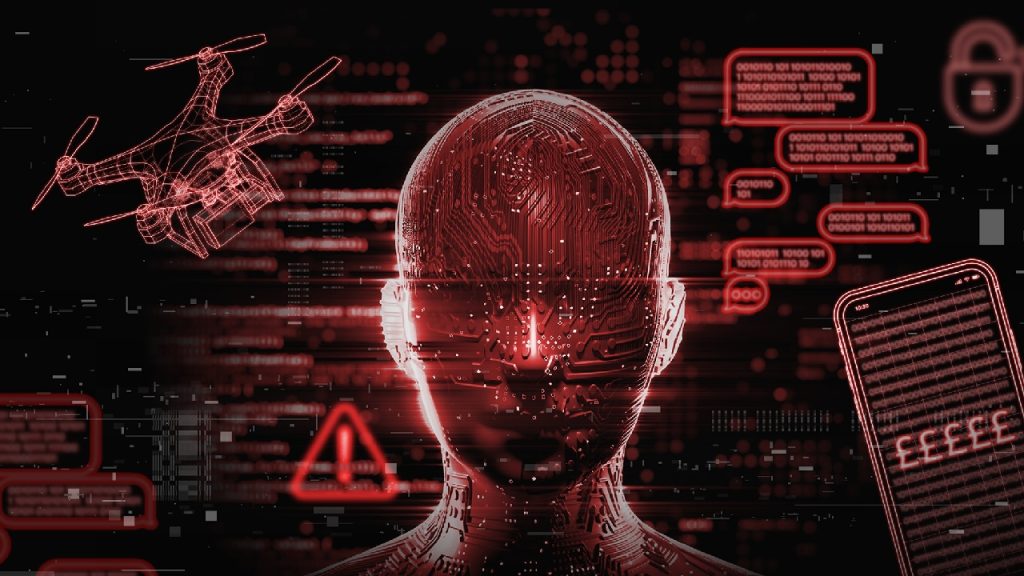
In 2025, security assessments have highlighted a “paradigm shift” as extremist groups move from passive technology use to the active integration of Generative AI for propaganda, recruitment, and attack planning.
Restraint Foreign Policy in 2025: Five Successes and Five Failures
In 2025, the “America First” foreign policy yielded a contradictory scorecard of five successes and five failures. While the administration successfully pivoted toward a more realistic National Security Strategy and engaged in pragmatic diplomacy with Russia, Belarus, and the Houthis, it simultaneously stumbled into escalatory patterns in Iran, Venezuela, and Syria.
Europe’s Real Existential Crisis: Technological Backwardness, Not Immigration
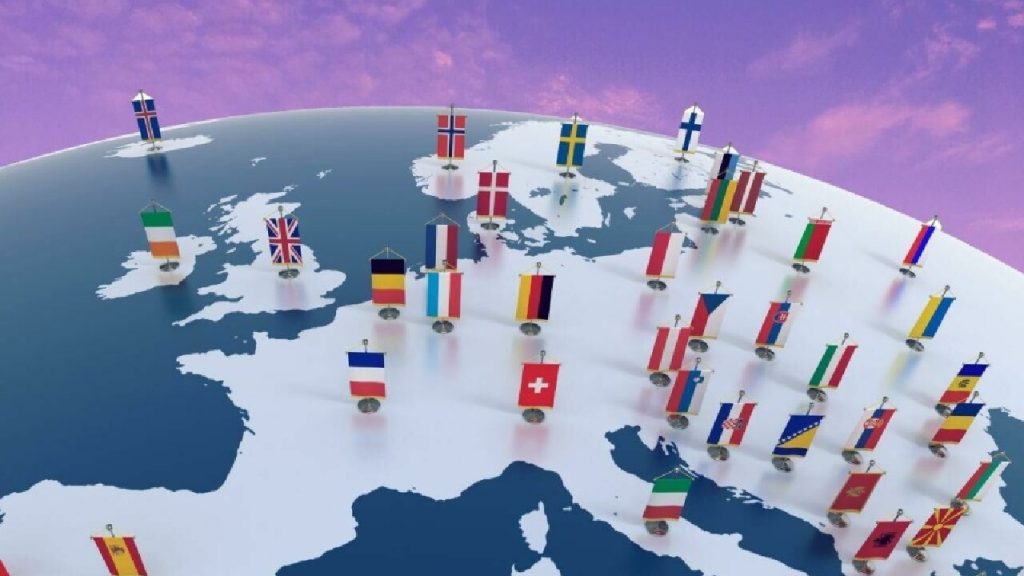
Europe faces a severe existential crisis driven by technological and economic stagnation. Since 2008, the EU’s GDP per capita has plummeted from 76.5% to just 50% of US levels. With fragmented regulations and minimal venture capital, Europe risks irreversible decline unless it prioritizes structural innovation over cultural politics.
Palestinian Citizens Confront Existential Political Challenges Amid Violence and Discrimination
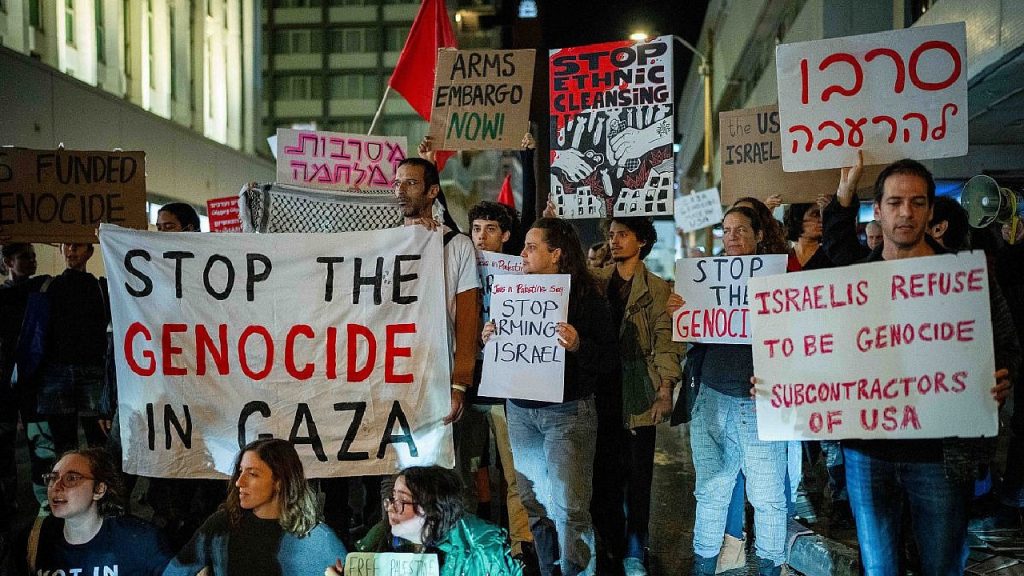
In 2025, Palestinian citizens of Israel faced a historic turning point marked by systemic exclusion and record-breaking violence. As the Gaza conflict entered its second year, the Israeli state intensified structural shifts that transformed Palestinian citizens from a marginalized minority into a population facing existential political challenges.
Multilateralism Survives Despite Rising Disorder
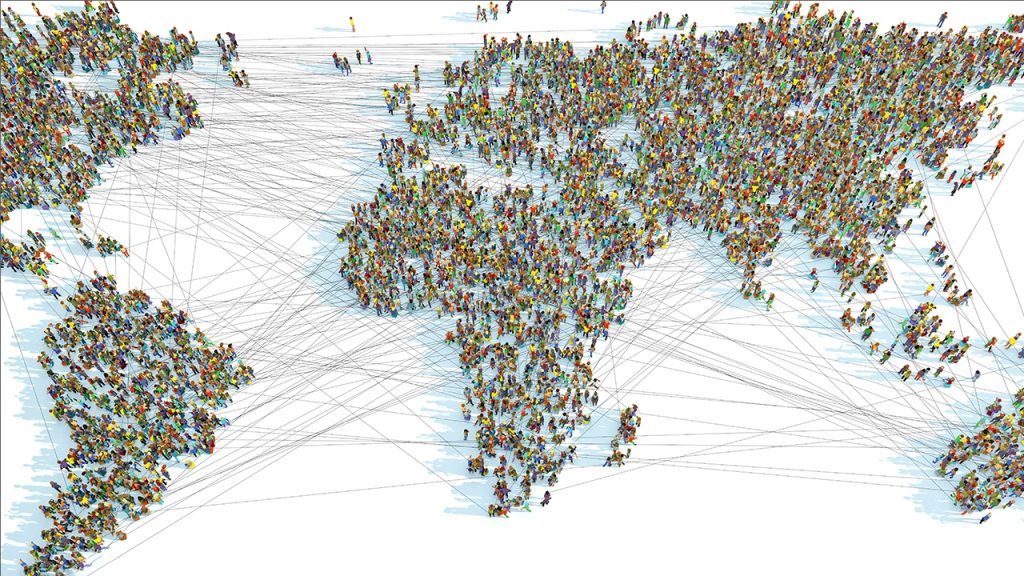
Despite rising nationalism, a 2025 global survey reveals that 84% of people still favor international cooperation over isolation. While trust in major world powers has dwindled, most citizens view multilateralism as a practical necessity for addressing shared threats like food insecurity, climate change, and pandemics through enlightened self-interest.
Moscow Could Benefit More Than Lose from Washington’s Venezuela Escalation
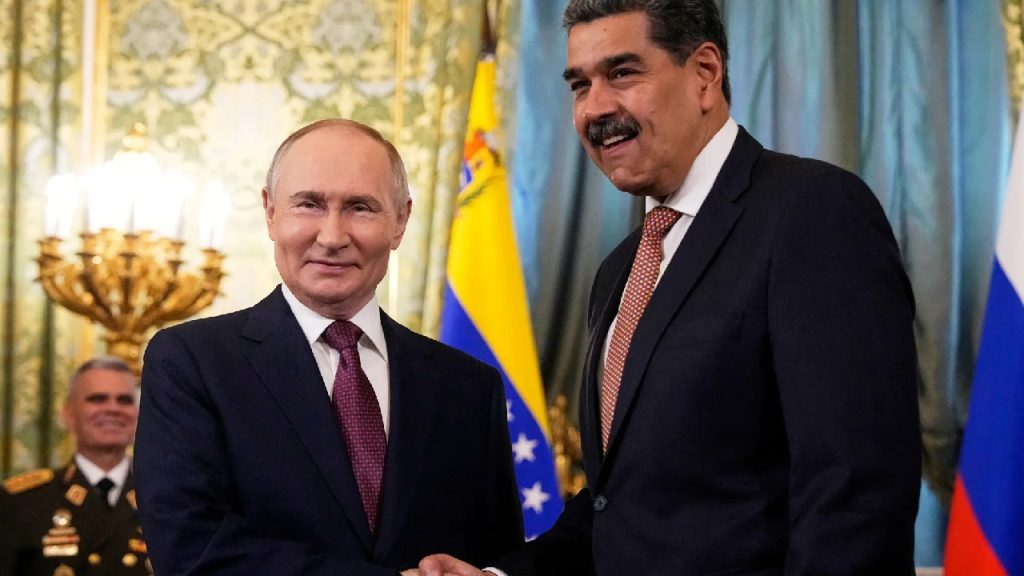
Russia views the U.S. escalation in Venezuela as a strategic opportunity to finalize a “global bargain” on Ukraine. By equating American intervention in its “backyard” with Russian actions in Eurasia, the Kremlin aims to secure a transactional peace that formalizes its influence over the ex-Soviet neighborhood.
Israeli Prime Minister’s Mar-a-Lago Meeting Reveals Weakening Strategic Position
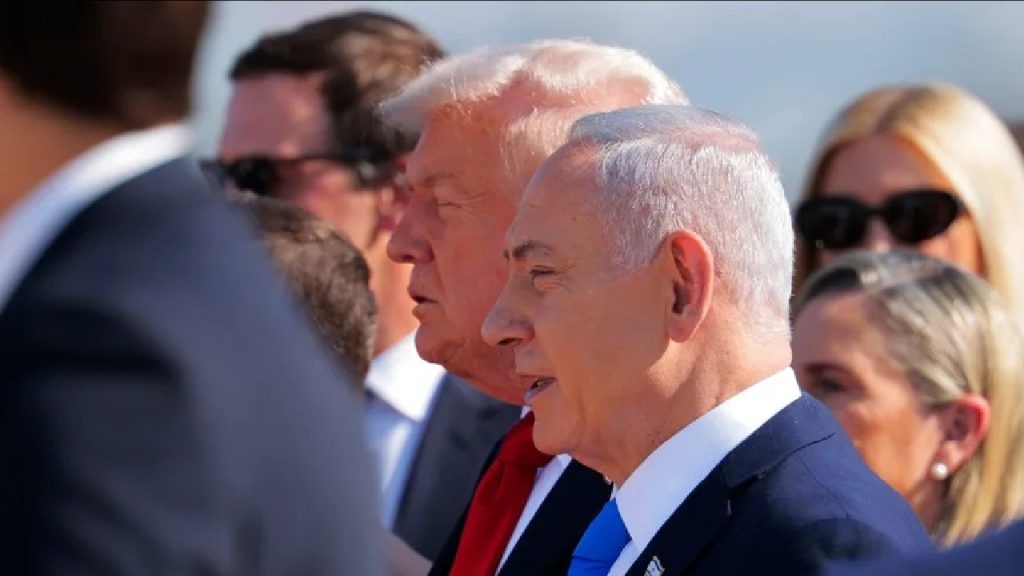
The Mar-a-Lago meeting between Donald Trump and Benjamin Netanyahu revealed a deepening power imbalance, with Trump prioritizing his own “Peace Blueprint” over Israeli strategic demands. While Netanyahu failed to secure a green light for Iran strikes or block Turkish involvement in Gaza, he signaled submission by awarding Trump the 2026 Israel Prize.