
Israel elections Editorial Cartoon

The artwork visually depicts an Israeli ballot box surrounded by the shadows of wartime ruins, framing the act of voting against an ominous backdrop of prolonged warfare and acute social distress. Del Rosso exposes how perpetual external military mobilization and political survival maneuvers have exacerbated internal ideological rifts, eroding civic consensus and institutional cohesion. This visual commentary matters because it crystallizes how wartime escalation fails to paper over systemic domestic paralysis, leaving Israeli society deeply polarized over its moral and political future.
Has the gas war in the Mediterranean begun?
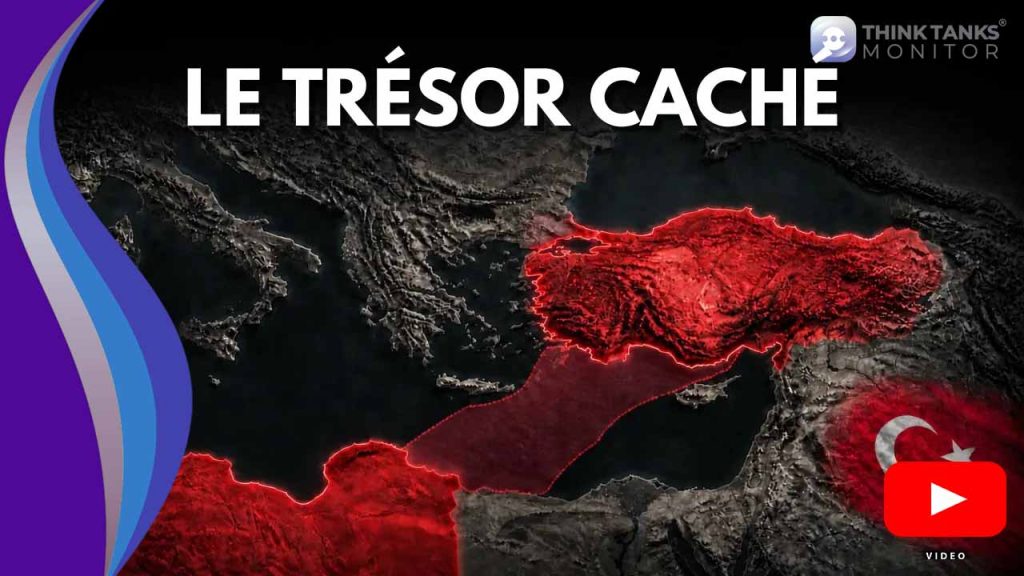
The briefing examines the zero-sum competition over subsea hydrocarbon deposits between Greece, Turkey, Cyprus, and North African littoral states as national energy security becomes existential. At its strategic core, the analysis illustrates how rival exclusive economic zone declarations and competing subsea pipeline alignments effectively weaponize critical energy infrastructure. These mounting friction points risk triggering maritime confrontations across vital sea lanes, confirming that resource anxieties continue to entrench hard-power geopolitical fractures along Europe’s southern perimeter.
A Warrior’s View of Why War Fails: A Conversation With William McRaven

Examining decades of strategic overextension, McRaven dissects the recurring illusion that overwhelming military firepower can substitute for coherent political end-states in conflicts from the Middle East to Eastern Europe. The underlying critique highlights a compounding erosion of American global hegemony, wherein coercive force fails to secure lasting stability while straining military-civil relations at home. For strategic planners, this tactical obsession without diplomatic vision accelerates multipolar hedging, demonstrating how unilateral interventionism hastens the strategic exhaustion of the hegemon.