
What the Iran War Taught the Pentagon About Missiles
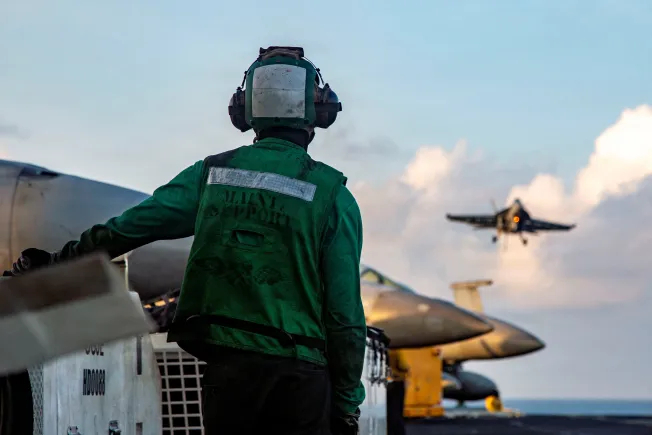
Operation Epic Fury has provided the Pentagon with a critical reality check on missile warfare. While interception rates in the Gulf reached an impressive 90%, the “magazine depth” crisis is now a strategic liability. With the U.S. depleting nearly 30% of its Tomahawk arsenal and 40% of its global THAAD inventory in just weeks, the conflict has exposed a dangerous replenishment gap that could compromise deterrence in the Indo-Pacific theater against more sophisticated hypersonic threats.
What Iran Teaches Its Children and Why Washington Never Listened

Understanding Iran’s wartime behavior requires looking at its classrooms, not just its missile silos. For decades, Iran’s national curriculum has fused Islamic values with ancient Persian resilience, teaching generations that collective resistance against a “superior elephant” is the only moral response. Washington’s failure to grasp this cultural foundation explains why 40 days of strikes have consolidated national identity instead of fracturing it, as the “sparrow vs. crocodile” mindset remains the heart of Tehran’s asymmetric doctrine.
The Islamabad Talks Begin But the Ceasefire Is Already Cracking
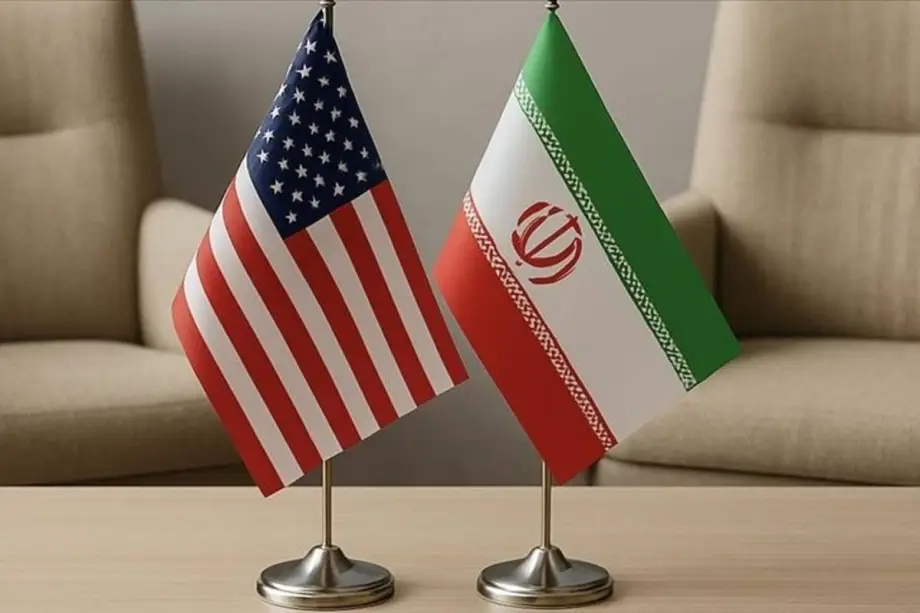
As delegations head to Islamabad, the US-Iran ceasefire is already on the verge of collapse. The fundamental “interpretive gap” between Tehran’s 10-point plan and Washington’s red lines, compounded by Israel’s refusal to include Lebanon in the truce, has turned the process into a high-stakes test of crisis management. History suggests that without structural reconciliation, this “negative peace” may only serve as a temporary reload for a wider confrontation.
Operation Epic Fury’s Hidden Ledger: What America Actually Lost
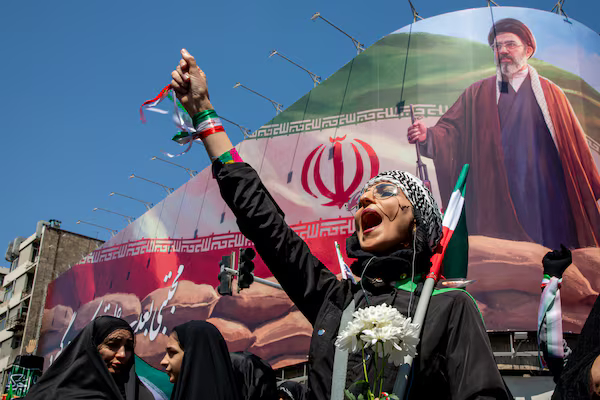
Beyond the military scorecard, the 40-day war with Iran has left Washington in a structurally weaker position. With $65 billion in projected long-term costs and the dangerous depletion of high-demand munitions needed for the Pacific, the conflict failed to resolve the nuclear question while simultaneously fracturing alliances and handing Russia a massive energy windfall.
Netanyahu’s Lebanon Gamble Is Threatening the Entire Ceasefire
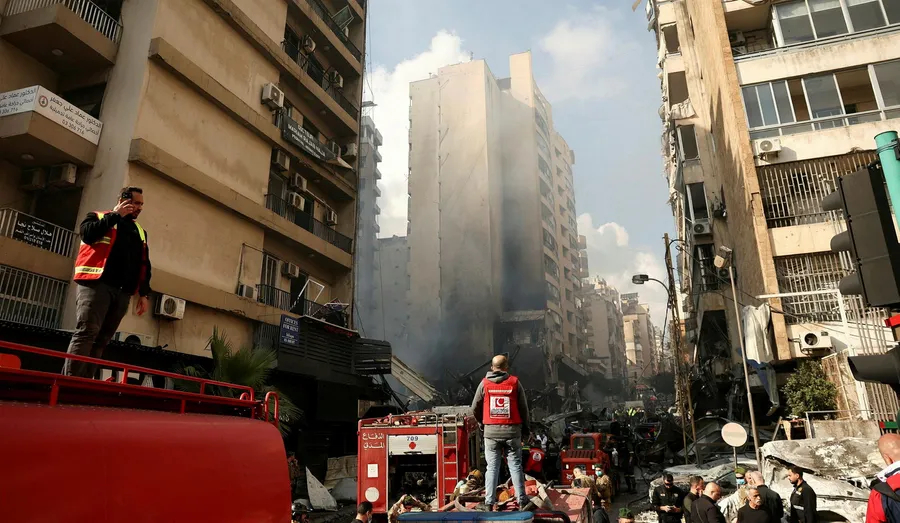
The fragile US-Iran ceasefire faces an immediate collapse following Israel’s massive air campaign in Lebanon. While President Trump has urged Netanyahu to be “low-key” to save the Iran talks, the fundamental clash remains: Israel demands Hezbollah’s disarmament without a ceasefire, while Lebanon and Tehran insist on a total halt to hostilities as a precondition for any direct negotiations.