
The War Americans Didn’t Want
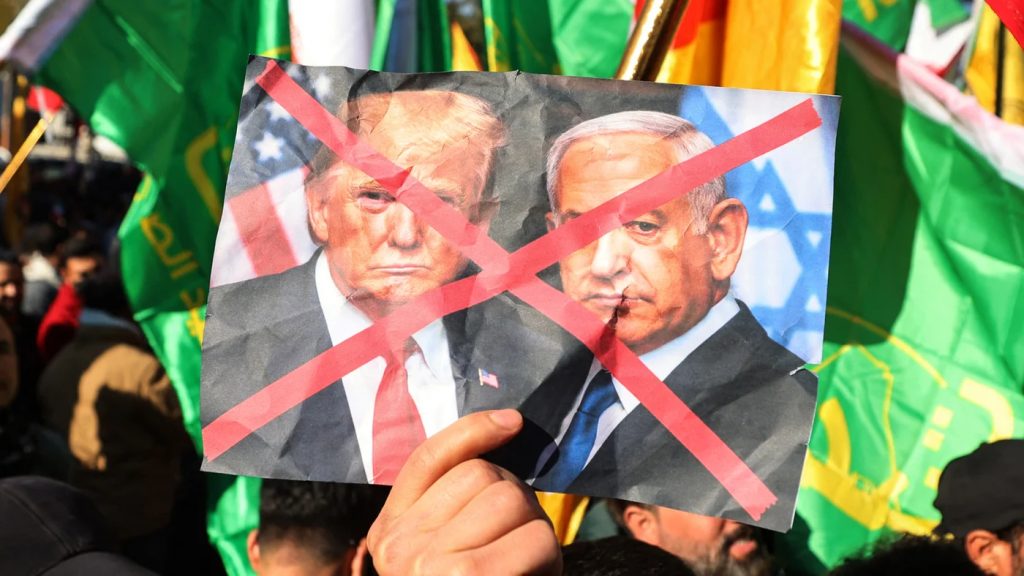
A profound disconnect has emerged between the White House and the American public over the war in Iran. With 59% of citizens calling the military action a mistake and a record-breaking 8 million people joining the “No Kings” protests, the conflict is no longer just a foreign policy issue but a domestic crisis. As the November midterms approach, the rising costs of fuel and the perception that the war serves foreign interests over American ones are reshaping the political landscape across both parties.
The Ceasefire Came — The Economic Pain Hasn’t
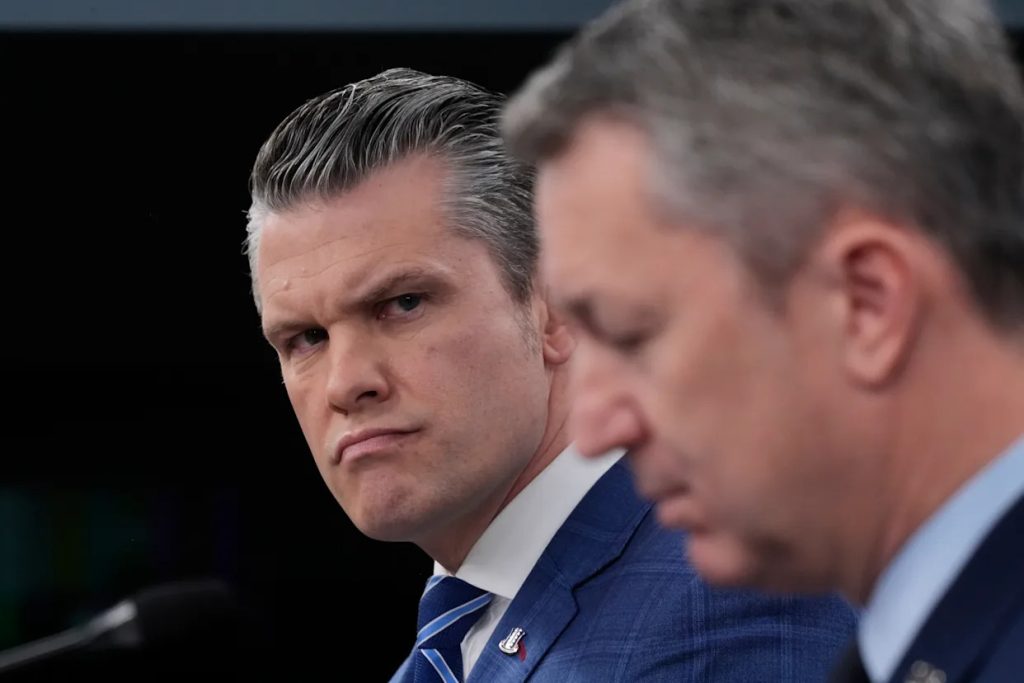
While oil prices dipped following the April 7 ceasefire, the global economy remains in a “stagflation” trap. With the Strait of Hormuz facing a two-month recovery period and critical infrastructure like Qatar’s Ras Laffan taking years to rebuild, the 40-day conflict has left a permanent scar on energy markets, agriculture, and household budgets that a simple truce cannot erase.
The 1991 Trap: Why Washington Must Learn From Iraq to Survive Iran
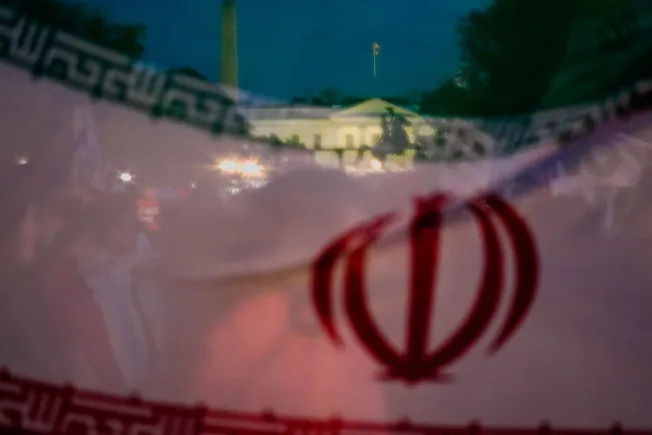
The US-Iran ceasefire faces a historical “1991 trap,” echoing the aftermath of Operation Desert Storm where military victory failed to produce political closure. As negotiations begin in Islamabad, the fundamental gap between Iran’s 10-point plan and Washington’s “red lines” on enrichment threatens a decade of simmering conflict unless both sides move beyond containment toward genuine, conditional normalization.
Six Reasons the Iran Ceasefire Could Collapse Before It Holds

The Pakistan-brokered ceasefire is already fracturing as Israel’s “Operation Eternal Darkness” hits 100+ targets in Lebanon. Beyond the immediate violence, six fundamental “fault lines”—including clashing victory narratives, unresolved nuclear enrichment, and Iran’s intact proxy networks—suggest that the Islamabad talks may struggle to turn this 14-day pause into a lasting peace.
Global Flashpoints Shaping 2026
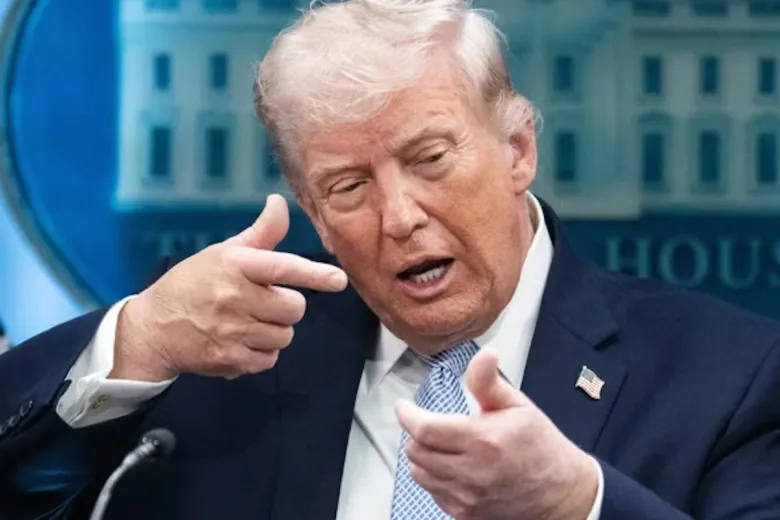
Halfway through 2026, global stability is under siege. From the $100 billion annual funding gap in Ukraine to the dangerous vacuum in nuclear arms control, nations are scrambling to adapt. Rising tariffs, the race for critical minerals, and deep cuts in foreign aid are redefining geopolitical alliances and forcing a shift toward a fragmented, multipolar reality.