
US Coercive Diplomacy Accelerates European Strategic Autonomy
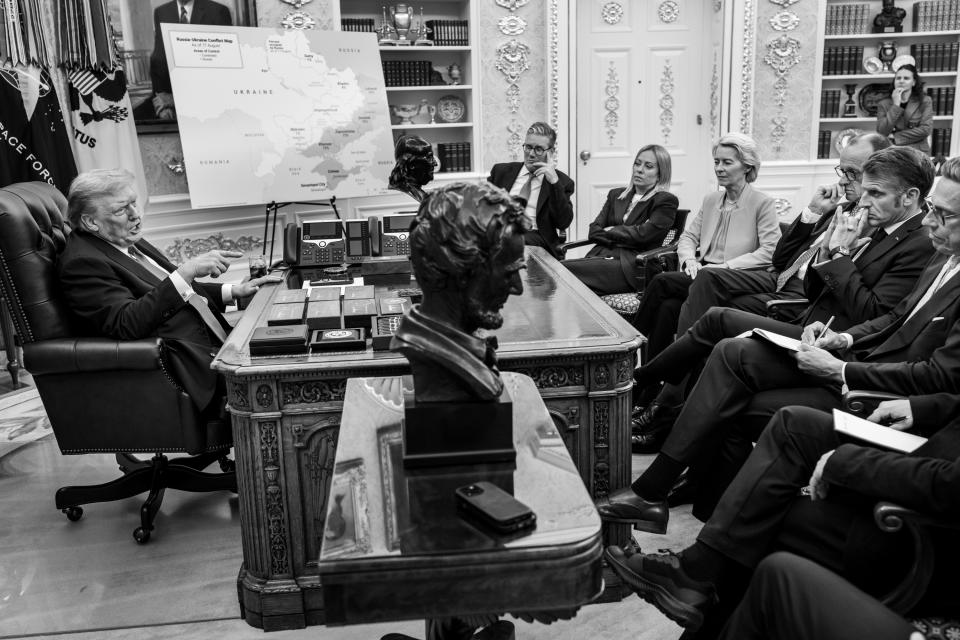
The aggressive shift in Washington’s coercive diplomacy has become the catalyst for European strategic autonomy. From threatening blanket tariffs over Greenland to linking NATO guarantees to trade concessions, US pressure is forcing European capitals to diversify partnerships and integrate their defense industrial bases to insulate themselves from transactional American foreign policy.
The US-Iran Ceasefire: A Pause in the War, Not the End of It
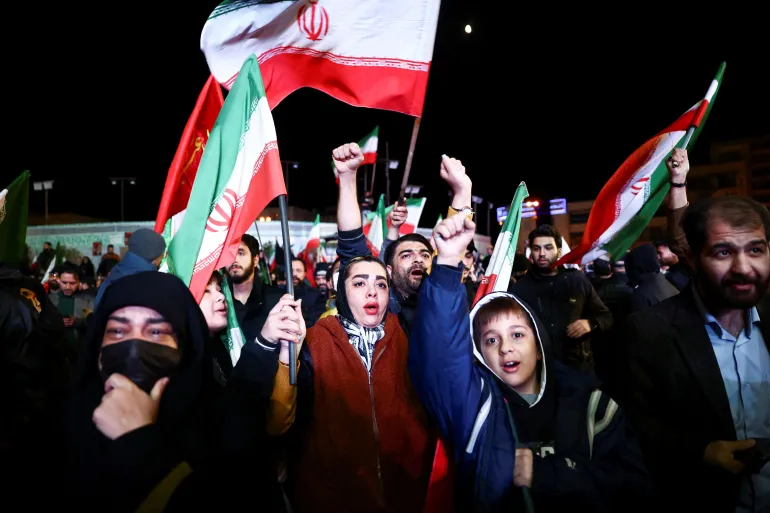
A Pakistan-brokered ceasefire has pulled the Middle East back from the brink, suspending 40 days of US-Israeli strikes on Iran. While global markets reacted with relief and oil prices slid to $103, the 14-day truce remains fragile. Major hurdles persist in Islamabad negotiations, including Iran’s 10-point plan, the status of US regional bases, and the unresolved conflict in Lebanon.
Middle East War Accelerates Africa’s Push for Debt Reform
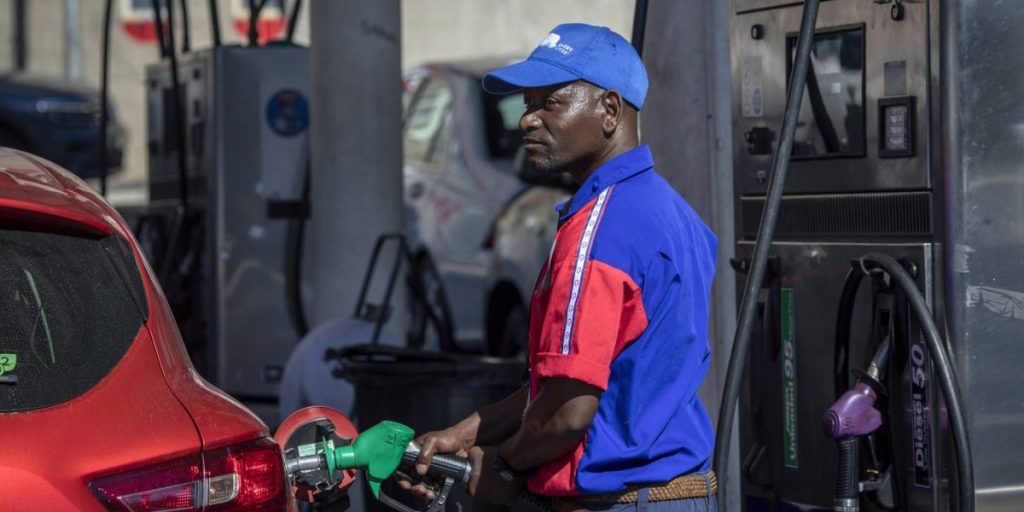
The escalating conflict in the Middle East has triggered a severe economic crisis across Africa, as rising energy and commodity prices strain heavily indebted nations. In response, African leaders are pushing for a radical overhaul of the global financial architecture, seeking debt moratoriums and a shift away from dollar-denominated liabilities to ensure long-term regional resilience.
Hormuz Blockade Strains US Alliances Amid Iran War
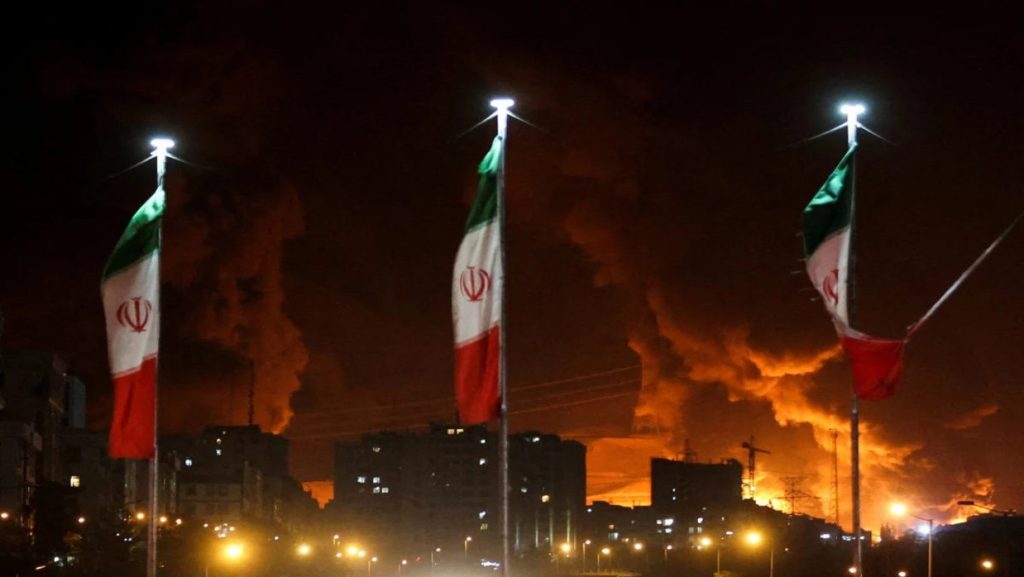
The prolonged conflict with Iran and the resulting maritime blockade have triggered a major diplomatic rift. As European and Asian economies face energy paralysis and surging inflation, historical allies are prioritizing national survival over Washington’s unilateral military objectives, signaling a profound structural crisis within NATO and transpacific security architectures.
From Suez to Hormuz: What the Gulf Crisis Reveals About Alliances
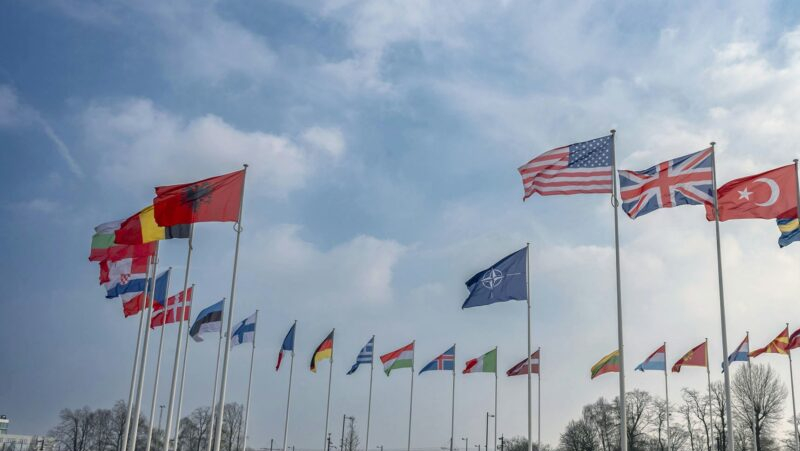
The closure of the Strait of Hormuz is more than an energy crisis; it is a defining rupture in transatlantic relations. Mirroring the 1956 Suez Crisis, the current standoff reveals a fractured NATO, where European allies refuse to support a unilateral US war. With Brent crude soaring and China waiting in the wings, the West faces a permanent shift in global strategic leadership.
Cuba Is Not Venezuela And Trump’s Playbook Won’t Work There
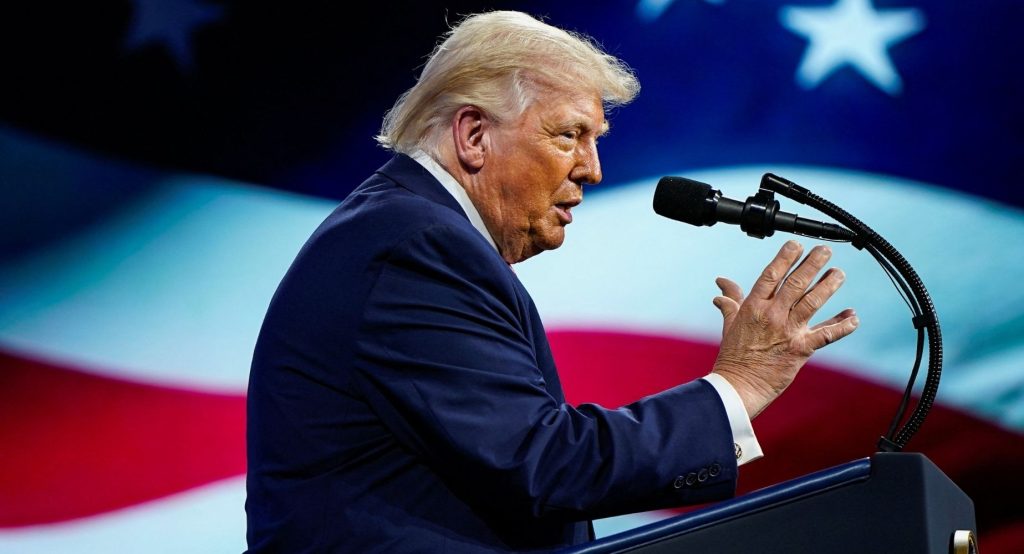
As Cuba’s national grid collapses following the end of Venezuelan oil shipments, Washington’s pressure-cooker strategy faces a reality check. Unlike Venezuela, Cuba lacks the resources to attract quick investment, while the Helms-Burton Act’s rigid legal requirements and decaying infrastructure make a simple leadership shuffle nearly impossible without a massive reconstruction plan.
Bombing Iran “Back to the Stone Age”, A Civilisation That Built the Modern World

Recent threats to bomb Iran “back to the Stone Age” ignore a civilization that shaped the modern world. Beyond the illegal strikes on civilian infrastructure and UNESCO heritage sites like Isfahan’s mosques, Iran’s resilience is rooted in a thousand-year literary and cultural identity that aerial bombardment cannot erase.