
Washington’s Retreat From the Strait of Hormuz
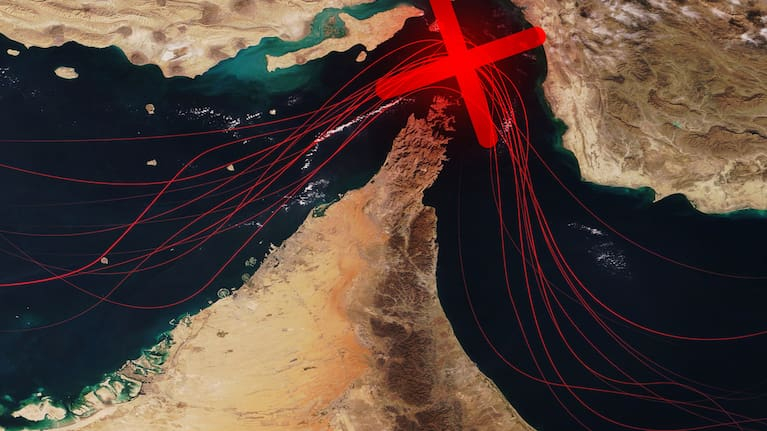
The strategic withdrawal of the United States from the Strait of Hormuz—once the bedrock of global energy security—has reached a tipping point. President Trump’s “Go Take It” directive has effectively dismantled the Carter Doctrine, leaving a 40-nation coalition to manage a waterway that has become the world’s most dangerous “insurance trap.”
Iran’s Special Forces: A Decentralized Defense Strategy
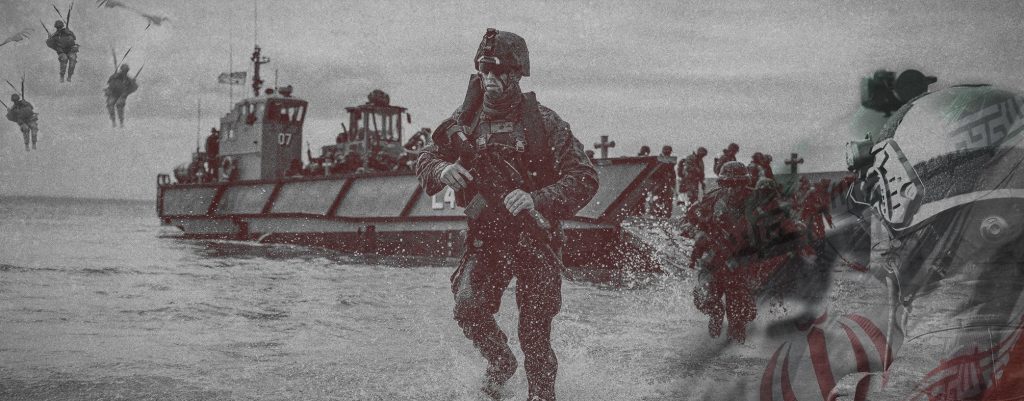
The Iranian military response to Operation Epic Fury has confirmed what many analysts suspected: the “Mosaic Defense” doctrine is not just a theoretical framework, but a functional, decentralized reality. While Western intelligence spent decades focused on the Quds Force, the first month of the 2026 war has demonstrated that Iran’s true resilience lies in its provincial special forces and maritime commandos.
The Middle East Needs a Unified Defense Architecture
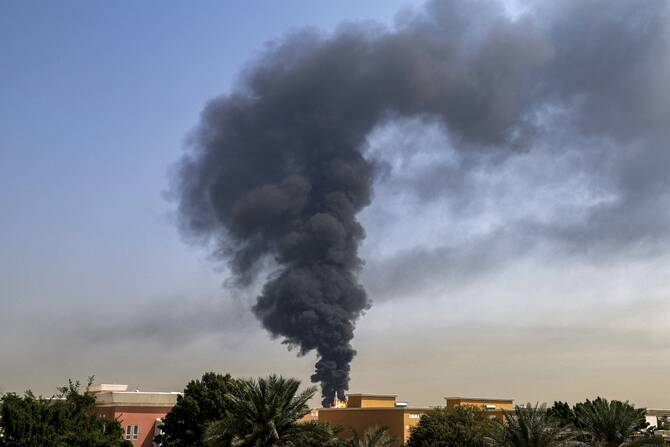
The current tripartite conflict between Washington, Tel Aviv, and Tehran has functioned as a “strategic clarifier” for the Arab world. The data from five weeks of war suggests that the era of the “foreign security umbrella” is over.
The Gulf Conflict and the Accelerating Shift to Multipolarity

The second month of the 2026 Iran War marks more than just a regional military crisis; it is the catalyst for a fundamental reordering of global power. The conflict has acted as a “stress test” for 20th-century security models, and the results have accelerated a shift toward a multipolar world where American unilateralism is being replaced by regional self-reliance and alternative financial networks.
Iran’s Masterplan for the Strait of Hormuz
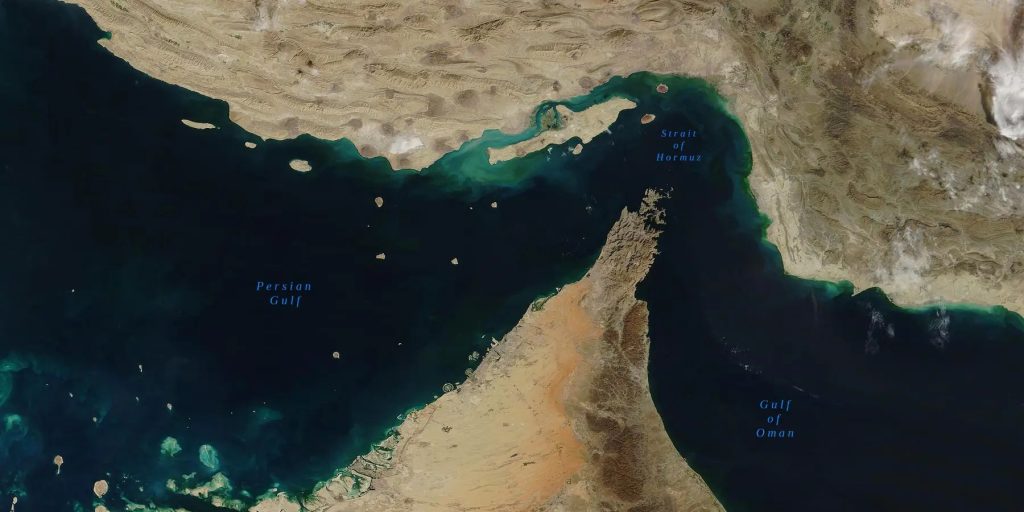
The shift in the Strait of Hormuz from a traditional military chokepoint to a formalized “Sovereign Toll Zone” represents the most significant change in maritime law since the 1982 UNCLOS. Tehran is moving to institutionalize what was once a temporary blockade into a permanent economic engine designed to bypass Western sanctions forever.