
The Iran War Is Paying Tehran’s Bills and Moscow’s Too
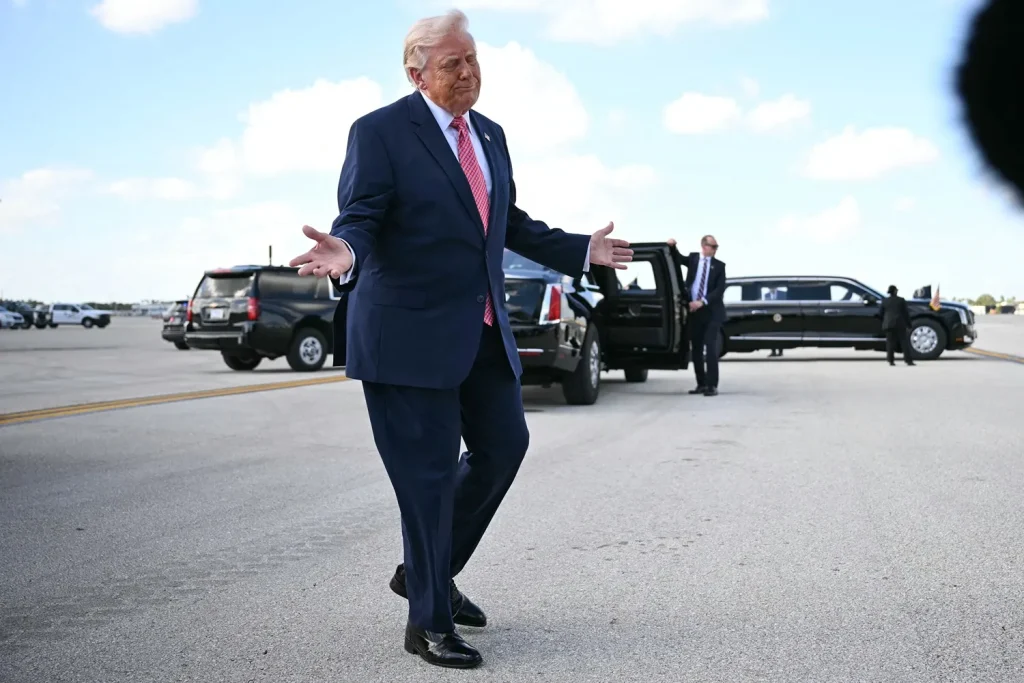
The economic and strategic fallout of the Iran war, has created a paradoxical “War Dividend” for Washington’s rivals. While the U.S. and Israel prosecute the kinetic conflict, the financial and geopolitical benefits are flowing toward Tehran, Moscow, and Beijing.
The Gulf States Are Targets, So Why Aren’t They at the Table?
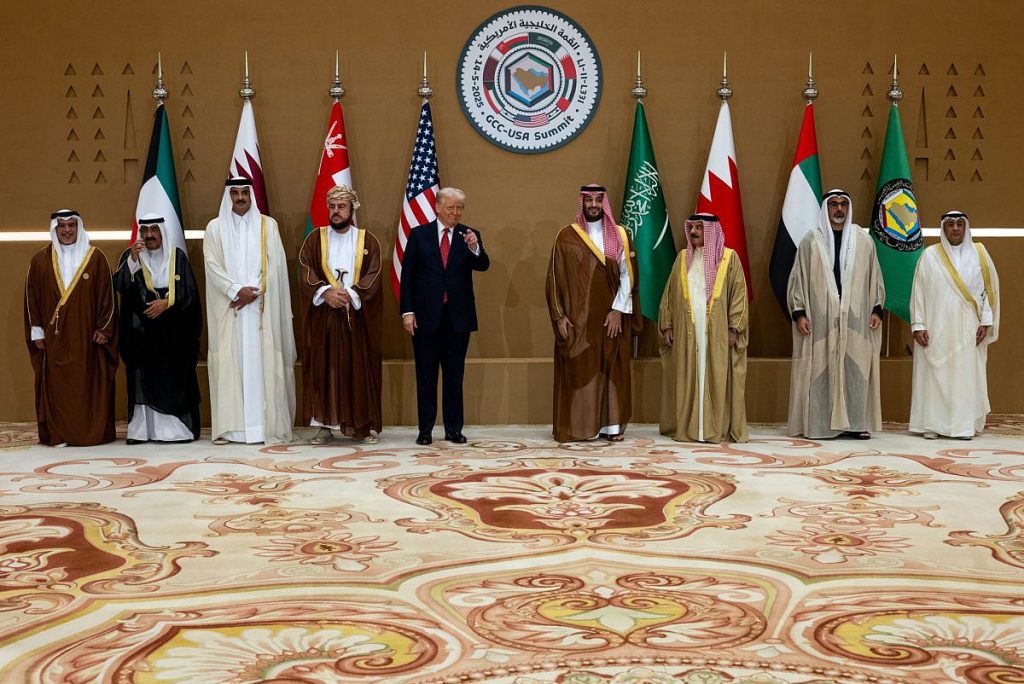
The data from the first five weeks of the war reveals a staggering strategic asymmetry: while the world focuses on the “missile duel” between Israel and Iran, the Gulf Cooperation Council (GCC) states have absorbed 83% of all Iranian strikes.
Iran’s Peace Blueprint: Bold Enough to Work, or Too Late?
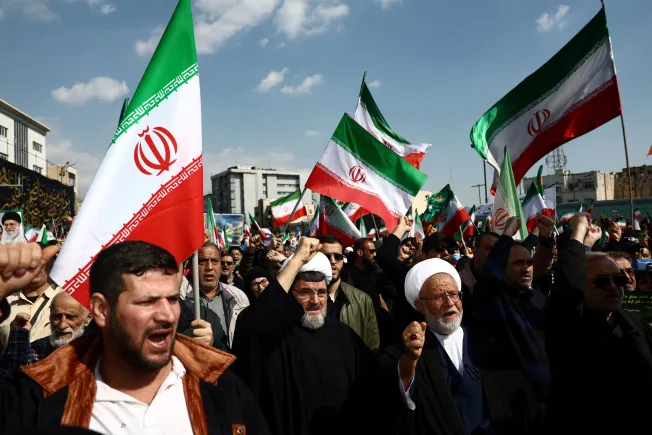
The publication of Mohammad Javad Zarif’s peace blueprint in Foreign Affairs on April 3, 2026, represents the most significant diplomatic opening since the start of Operation Epic Fury. While Zarif currently holds no official government title, his role as a key ally to reformist President Masoud Pezeshkian suggests this is a “cleared” trial balloon from Tehran’s remaining diplomatic corps.
America Lit the Fire and Now 40 Nations Are Cleaning Up
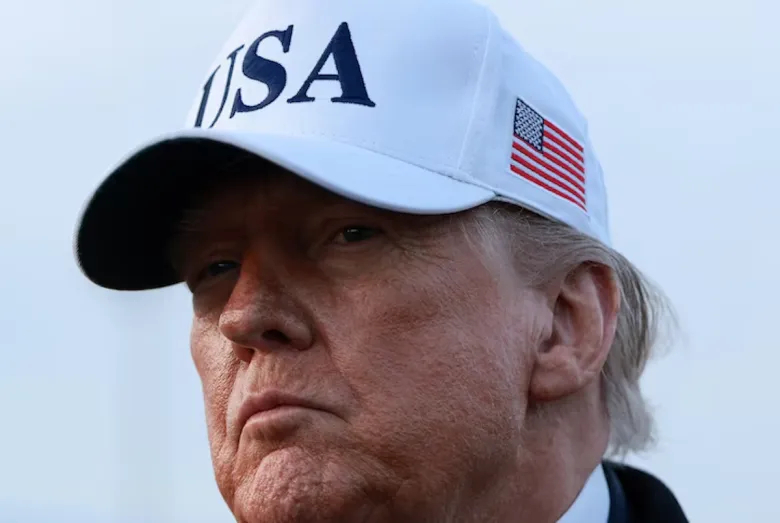
The geopolitical fallout of the Iran war has entered a phase of “fractured leadership.” While the United States remains the primary military aggressor, it has become a secondary actor in the diplomatic and maritime cleanup, leaving a coalition of 40 nations to navigate the chaos left in the wake of Operation Epic Fury.