
Iran and Trump Are Talking But Neither Side Wants Peace Yet
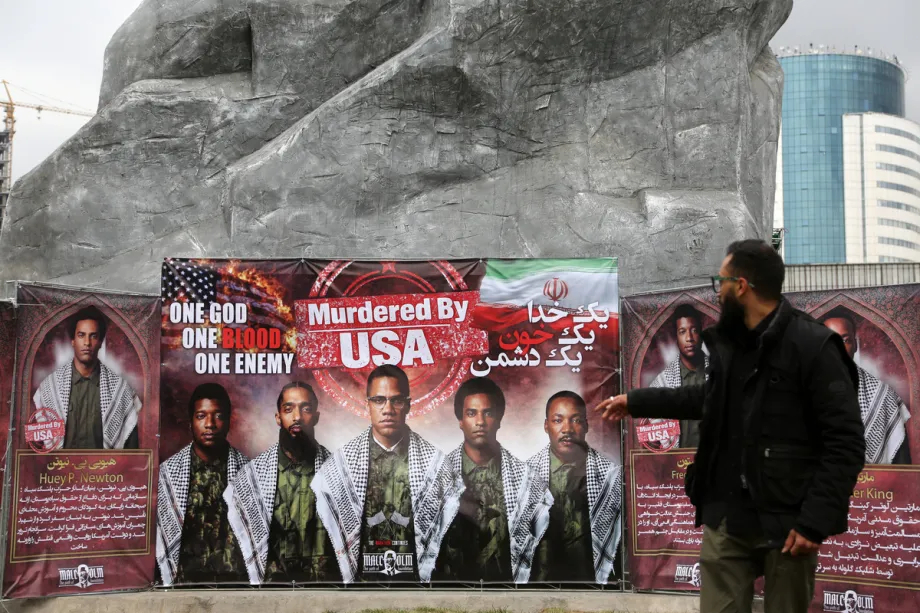
The diplomatic track of the Iran war has entered a phase of high-stakes “performance art.” While President Trump and Tehran exchange messages through a crowded field of mediators, both sides are using the appearance of negotiation to buy time for their respective military and economic leverage to peak.
How the Iran War Made Tehran’s Hardliners Stronger
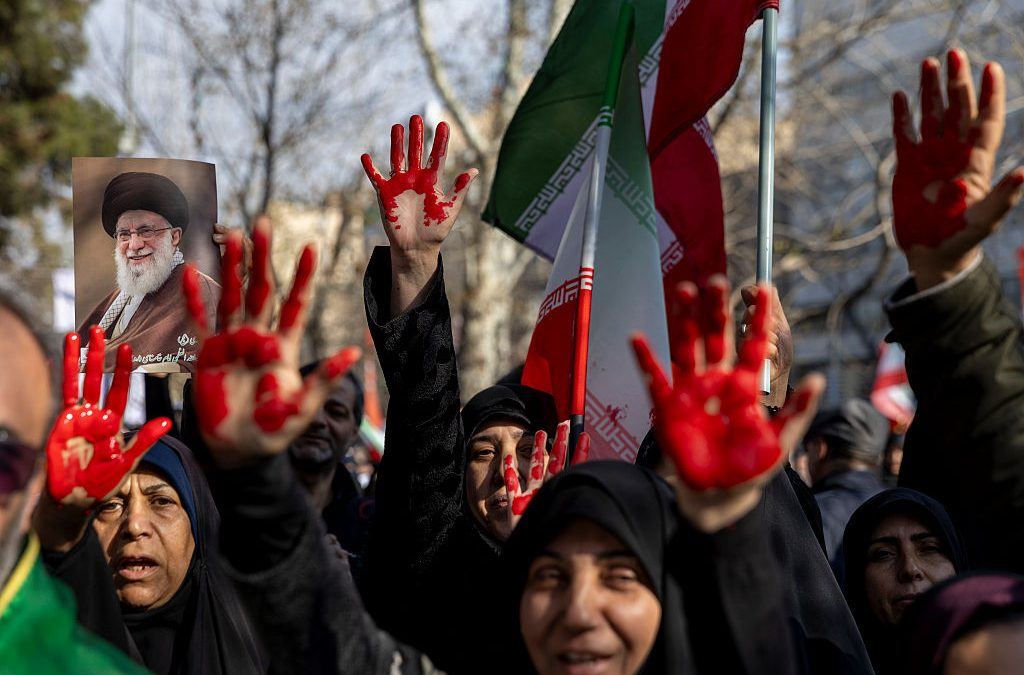
The strategic landscape in Iran has undergone a “Security First” transformation that has effectively silenced the reformist movement and placed the country’s future in the hands of a revitalized military elite. By targeting the center of the Iranian state, the U.S.-Israeli campaign has inadvertently triggered a survival mechanism that favors the most hardline elements of the regime.
Gulf States Face a Strategic Reckoning After Iran War
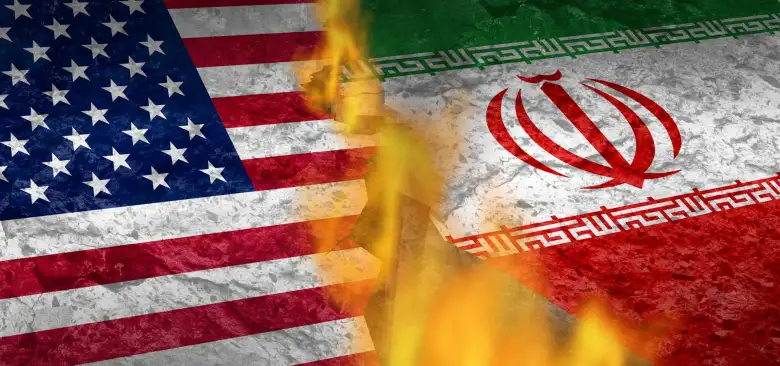
One month into the war, the Gulf Cooperation Council (GCC) states are navigating what has been described as a “Zeitenwende moment”—a systemic shift that is dismantling the decades-old security and economic models of the region. As of April 1, 2026, the conflict has evolved from a targeted strike into a regional emergency that has exposed the fragility of the Gulf’s “oases of stability” narrative.
Bombing the Negotiating Table: How Washington Killed Its Own Diplomacy
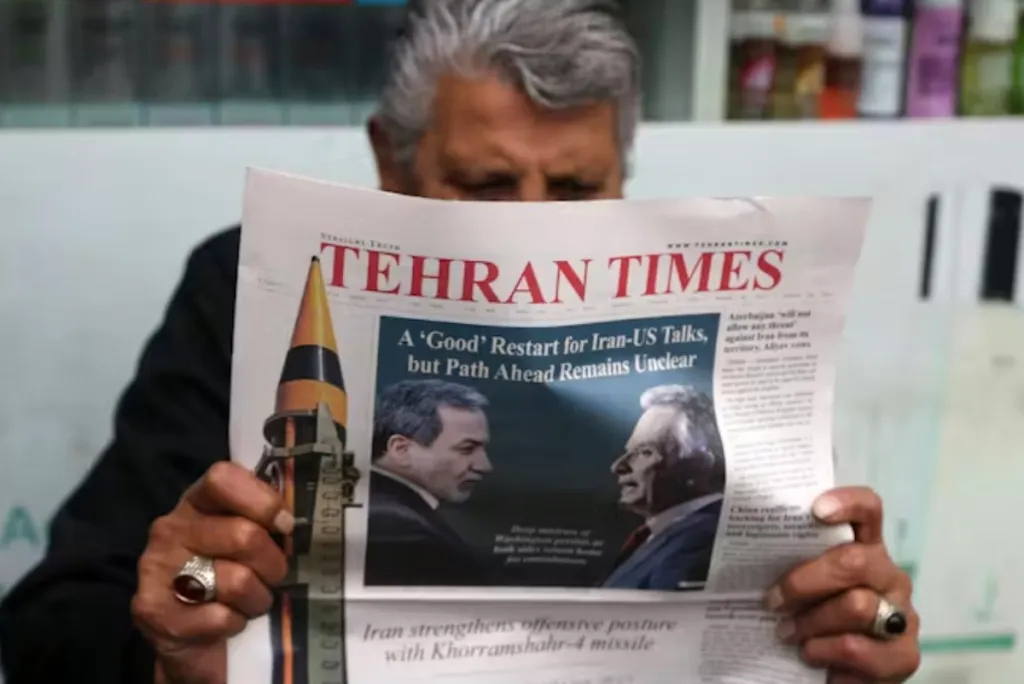
The initiation of Operation Epic Fury on February 28, 2026, did more than just dismantle military targets—it effectively dismantled the very concept of U.S.-led nuclear diplomacy. By striking while a major breakthrough was being announced by Omani mediators, Washington has signaled that even total compliance may not be enough to avert a military “solution.”