
America May Win Every Battle in Iran and Still Lose the War
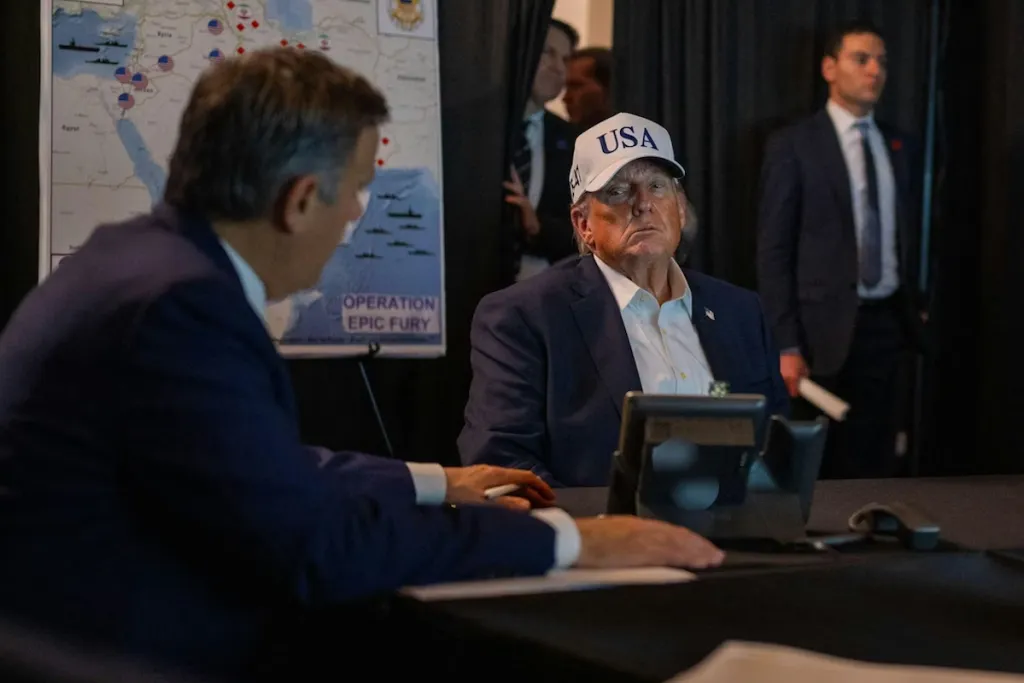
Operation Epic Fury, launched without UN or congressional approval, faces a deepening legitimacy crisis following the resignation of a top U.S. counterterrorism official. Despite tactical military gains, Washington’s reliance on a recycled 15-point peace plan and mounting economic costs suggest a desperate search for a strategic exit from a conflict Iran is winning simply by not losing.
The UN Security Council Blamed the Wrong Country in the Iran War
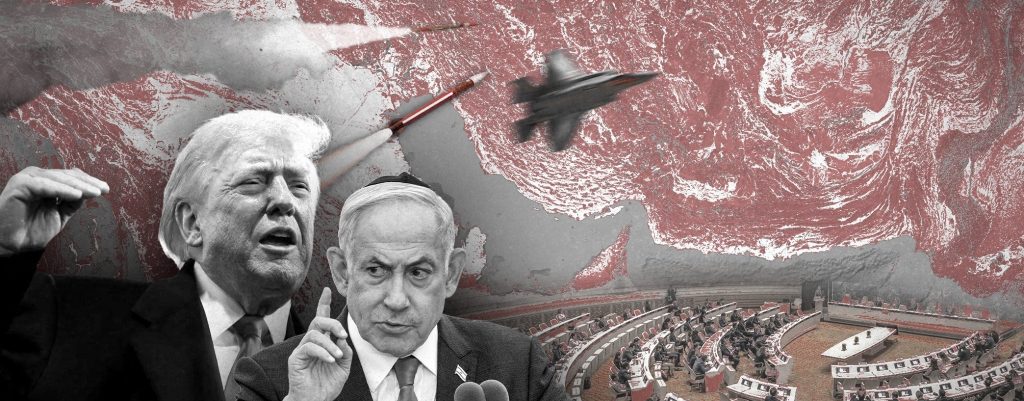
UN Security Council Resolution 2817 has come under fire for bias, condemning Iranian strikes while ignoring the Gulf states’ role in hosting the initial U.S. and Israeli attacks. Critics argue this selective enforcement of “territorial integrity” and the failure to apply proportionality standards to civilian casualties has severely eroded the legal credibility of the UN charter.
Winning Every Battle in Iran Is Not the Same as Winning the War
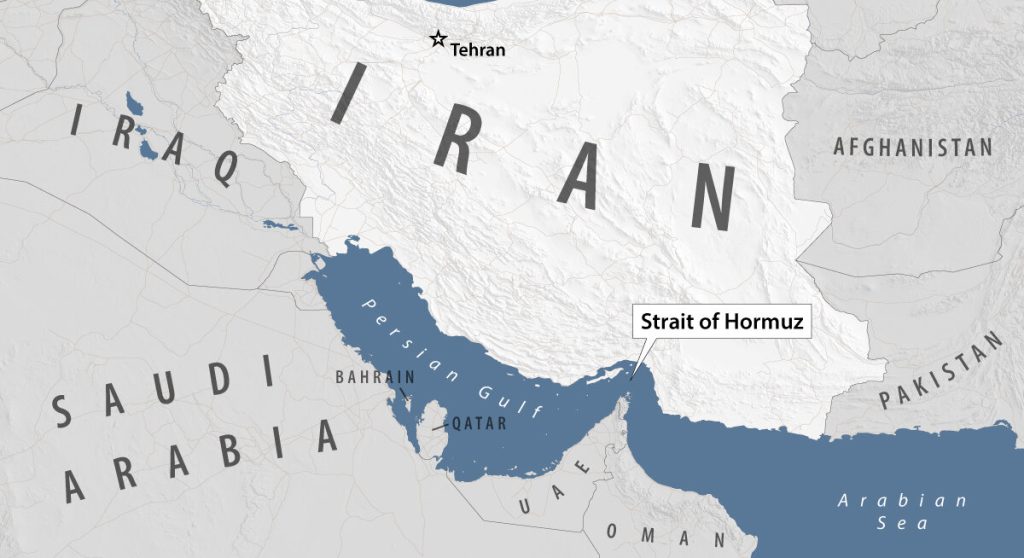
Despite tactical air and naval supremacy, the U.S. faces a strategic stalemate as Iran maintains its “Hormuz card.” By effectively closing the world’s most vital energy chokepoint through asymmetric warfare, Tehran has turned a battlefield deficit into an unsustainable global economic crisis that conventional military victories cannot resolve.
Oil Markets Are Pricing In Disaster and Traders Are Betting on It
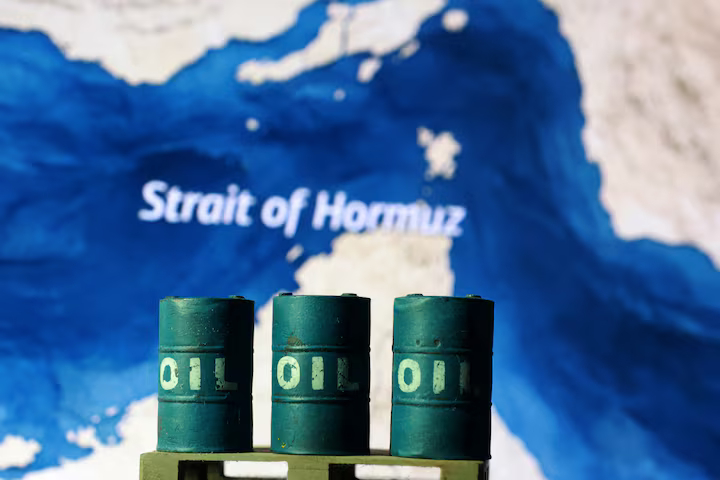
The derivatives market is signaling a potential global energy catastrophe, with bets on $150-a-barrel Brent crude increasing tenfold since the start of the conflict. As the blockade of the Strait of Hormuz traps one-fifth of the world’s oil supply, traders are aggressively hedging against extreme price spikes, betting that a return to pre-war stability is increasingly unlikely.