
The Hormuz Crisis Is Testing the Dollar’s Grip on Global Energy
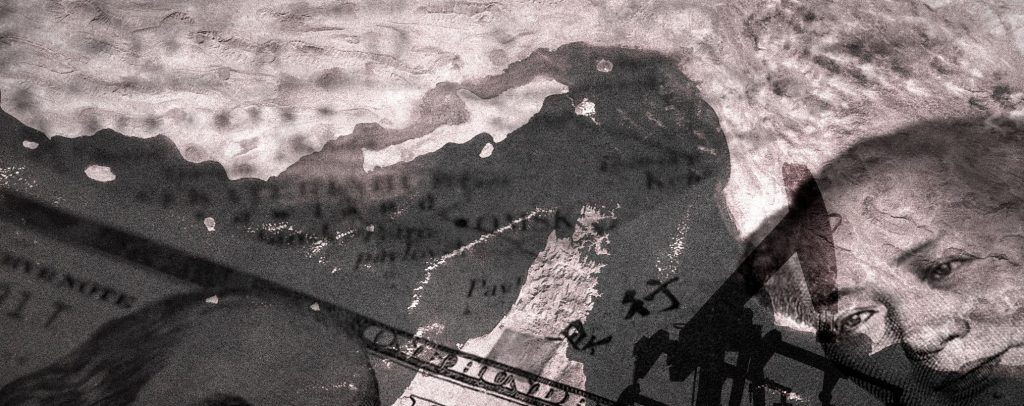
The Hormuz shutdown is exposing how fragile the petrodollar system has become, as soaring energy prices, supply‑chain shocks, and mounting strain on U.S. allies reveal a crisis that threatens both global energy flows and the dollar’s long-standing dominance in oil markets.
Iran Has Moved From Defending Itself to Dictating Terms
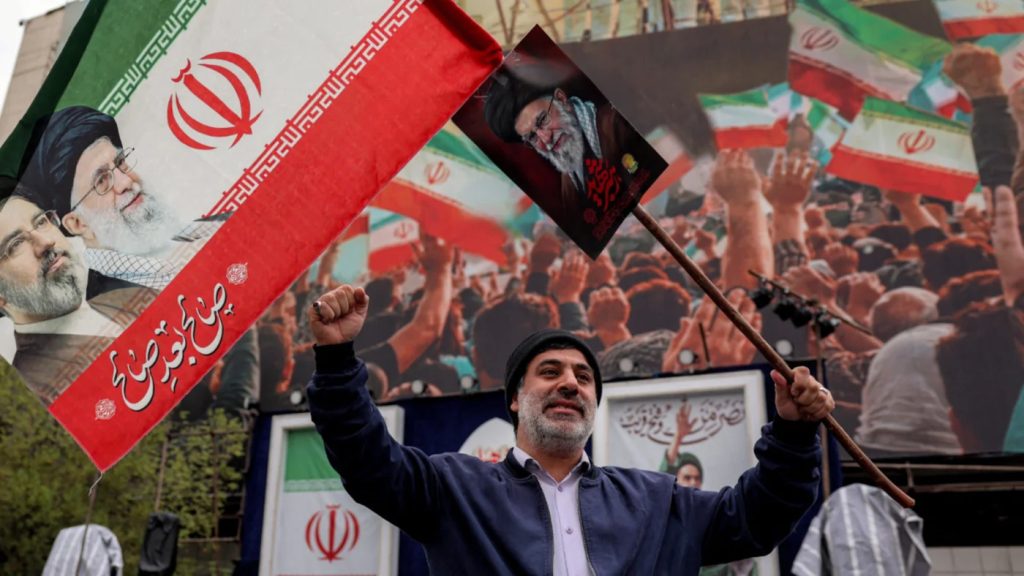
Iran has shifted from absorbing blows to dictating the terms of any future settlement, using the Hormuz chokehold and calibrated retaliation to rebuild deterrence and force Washington to confront a reality it can’t bomb its way out of.
Iran’s Five Conditions Signal It Thinks It’s Winning
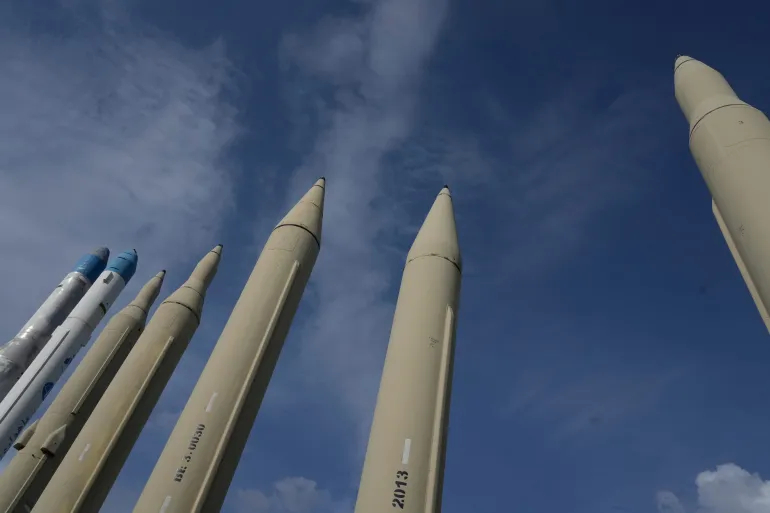
Iran’s sweeping counter‑demands — from reparations to Hormuz control and guarantees for its proxy network — show a government convinced it has the upper hand, rejecting U.S. terms and signaling it sees no reason to end a war it believes it’s winning.
Congress Gave Trump Its Power. Now It Doesn’t Know How to Get It Back
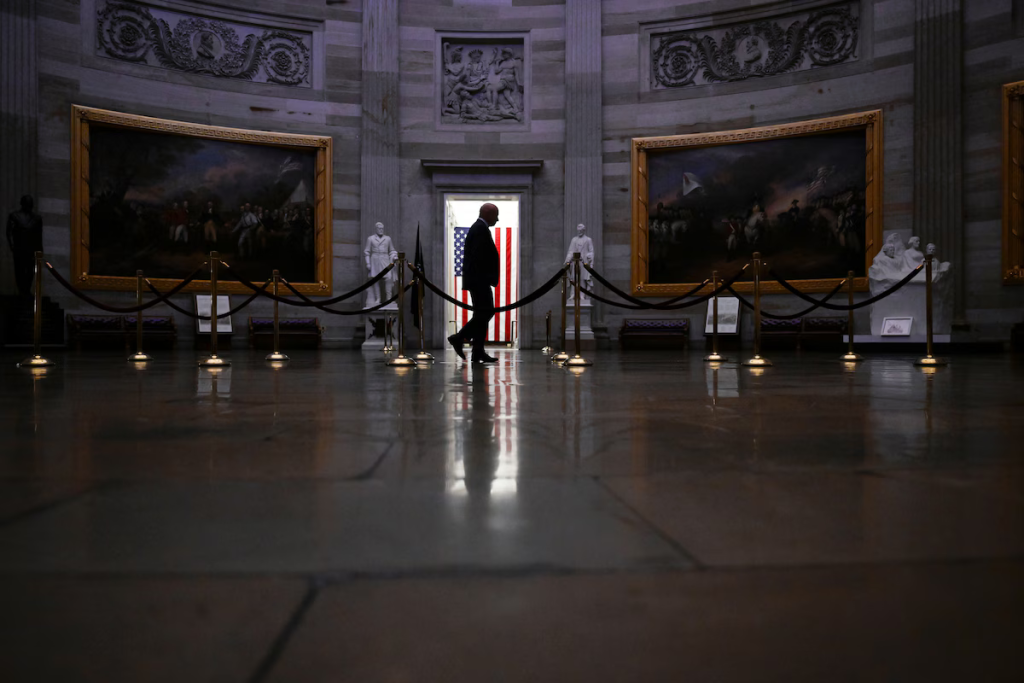
Congress’s long‑running surrender of oversight has left it unable to restrain Trump’s Iran war, as lawmakers who ceded power now watch an unauthorized conflict expand, deepen executive dominance, and set precedents future presidents will inherit.
A War Without a Vote: Congress, Russia, and the Iran Escalation
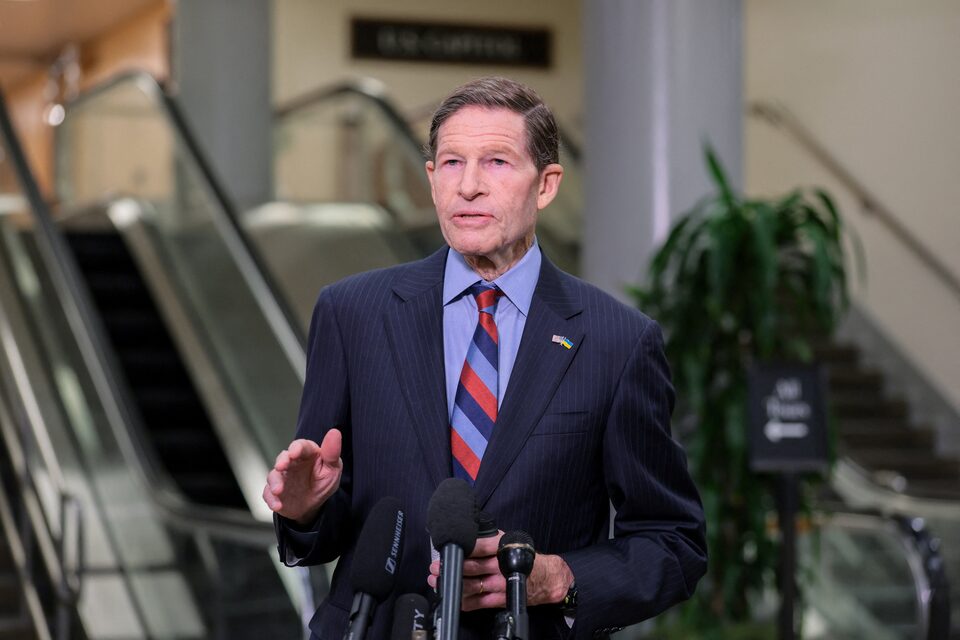
Congress is alarmed as Trump wages a widening war with Iran without authorization, while Russian intelligence aids Tehran and rising U.S. casualties intensify pressure over the possibility of ground troops in a conflict the public opposes and lawmakers never approved.