
Turkey’s Push to End the Iran War Is Really About Self-Preservation
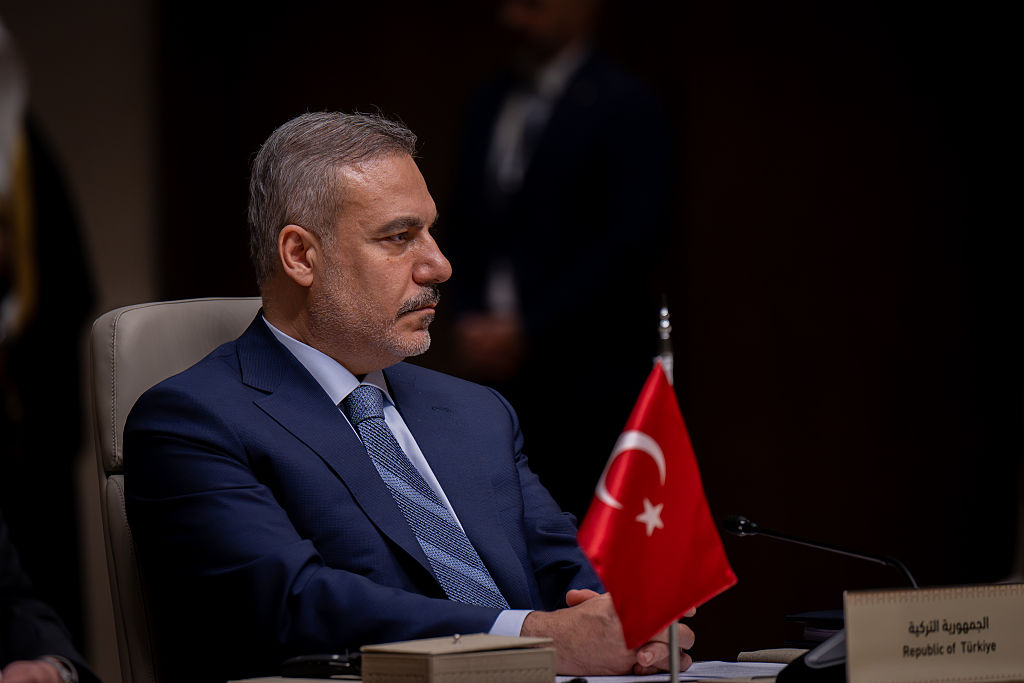
Turkey’s diplomatic push to end the war is driven by urgent self-preservation, fearing a Kurdish autonomous zone in Iran and a catastrophic refugee wave. With soaring energy costs widening its deficit and a shared 350-mile border, Ankara is positioning itself as a mediator to prevent regional collapse and domestic instability.
Talks, Troops, and a Strike Near Bushehr: The War at Week Four
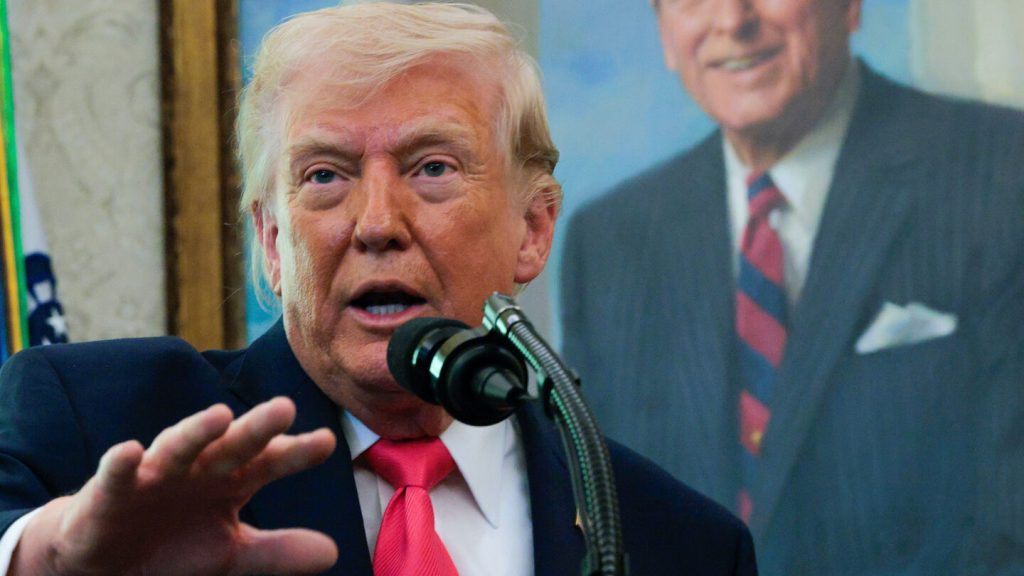
On Tuesday, March 24, 2026, the war reached a volatile crossroads as President Trump claimed a deal was near while the Pentagon moved 3,000 elite paratroopers toward the Gulf. Despite reported negotiations over the Strait of Hormuz, strikes near the Bushehr nuclear plant have raised fears of a radiological catastrophe.
Netanyahu Got His War With Iran. Israel May Pay for It for Decades.
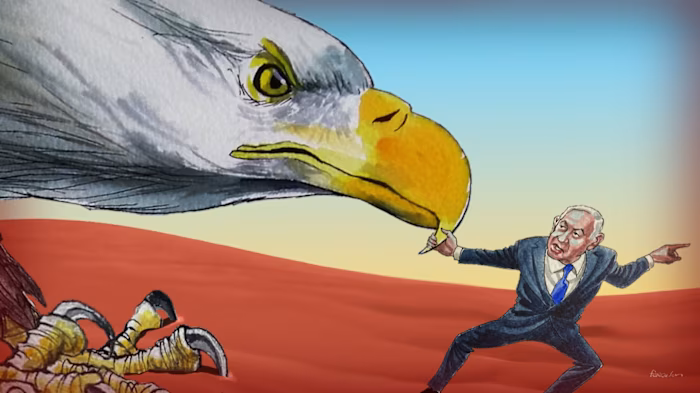
Benjamin Netanyahu’s long-sought military confrontation with Iran risks Israel’s long-term security by eroding its most vital asset: bipartisan U.S. support. As American public sympathy shifts and anti-interventionist sentiment grows, Israel faces the prospect of strategic isolation and a pattern of hollow military victories that fail to deliver lasting stability.
Iran Doesn’t Trust the Negotiators and That’s Now a Problem
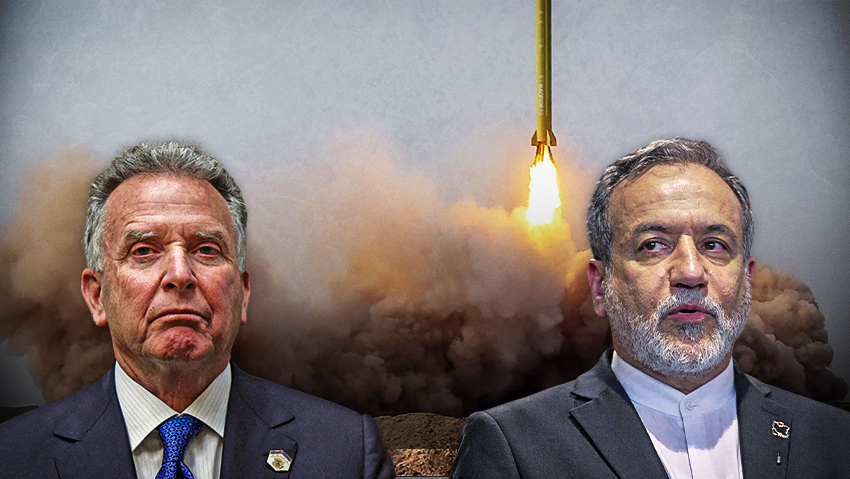
Tehran is stalling negotiations by rejecting Trump’s primary envoys and signaling a preference for JD Vance, viewed as a skeptic of Middle East intervention. This diplomatic maneuvering creates internal White House tension as the U.S. readies paratroopers and a 15-point proposal to end the conflict amid soaring energy prices.